






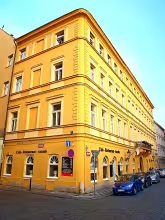
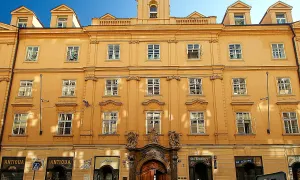
Nový Pachtovský Palác, also known as Jiráskův dům, is located in Prague's Old Town at Karoliny Světlé 208/34. Built in 1836 by Count Pachta of Rájov, this neoclassical structure holds historical significance and now functions as a luxury hotel named 'The Mozart Prague.' The palace is notable for its association with Czech nationalism; it once housed the Slavonic Café where Czech patriots gathered.
Constructed in 1836, Nový Pachtovský Palác was commissioned by Count Pachta and designed by architect Jan Maxmilián Heger. It replaced a garden adjacent to the original Pacht Palace during a period of rising Czech nationalism within the Austrian Empire. The building served as rental property, with its lower floors hosting the Slavonic Café—a hub for 19th-century Czech patriots.
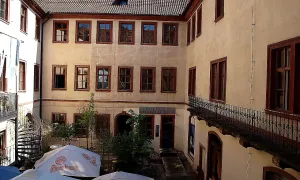
Architecturally, the palace features neoclassical design by Jan Maxmilián Heger. While specific details about materials are not documented, it reflects the architectural trends of its time. The building was functionally connected to the original Pacht Palace via an internal courtyard, enhancing both utility and aesthetic appeal.
Ownership and administration have changed over the years. Initially built by Count Pachta, it underwent significant renovations between 1993 and 2004 under Orco Property Group's management, transforming it into a hotel. The restoration was overseen by the National Heritage Institute to maintain historical integrity. Since its completion in 2004, it has operated as 'The Mozart Prague,' within a protected heritage area since 1964.
Throughout its history, Nový Pachtovský Palác has witnessed key events and curiosities that add to its allure. The Slavonic Café's role in Czech nationalism highlights the palace's cultural significance. It is also known as Jiráskův dům after Arnold Jirásek, a notable Czech neurosurgeon who was one of its tenants.
Today, Nový Pachtovský Palác stands as a testament to architectural elegance and historical depth. As 'The Mozart Prague,' the hotel offers modern amenities while preserving its heritage charm. Visitors can explore the ground floor's restaurant and café, enjoying contemporary luxury alongside historical ambiance. Its location in Prague's Old Town near landmarks like Anenské náměstí and the scenic Vltava River makes it an attractive destination for history and culture enthusiasts.
Nový Pachtovský Palác is more than just a building; it is a living piece of Czech heritage that continues to captivate visitors with its storied past and elegant presence. Its transformation into a luxury hotel ensures this historical monument remains accessible and relevant, inviting guests to experience Prague's rich history firsthand.
Historical milestones
- 1836
- The New Pachta Palace was built by Count Pachta of Rájov.
- 19.0
- Slavonské Kavárna served as a meeting place for Czech patriots.
- 1964
- The site was designated within the zone of cultural heritage care.
- 1993
- Began significant reconstructions under the management of Orco Property Group.
- 2004
- The reconstructed palace opened as the luxury hotel 'The Mozart Prague'.
Architectural development
The Nový Pachtovský palác was designed by architect Jan Maxmilián Heger and built as a rental property. In the late 20th century, it underwent significant renovations to transform into a hotel, completed in 2004. The restoration work was overseen by the National Heritage Institute.
Historical events
1836: Construction of the palace by Count Pachta.
19th century: Slavonic Café hosted Czech patriots.
1964: Included in a protected heritage area.
Owners
1836: hrabě Pachta z Rájova
1993-2004: Orco Property Group (adaptation for hotel)
2004-present: The Mozart Prague
Points of interest
- The Slavonic Café, once located on the lower floors of Nový Pachtovský Palác, was a significant meeting place for Czech patriots and played a crucial role in the rise of Czech nationalism during the 19th century.
- Architect Jan Maxmilián Heger designed the palace with a neoclassical style that reflects both aesthetic trends of its time and functional connectivity to the original Pacht Palace through an internal courtyard, enhancing its architectural significance.
Guide
Show guide text
Welcome to the Nový Pachtovský Palác, also known as Jiráskův dům, a stunning example of neoclassical architecture nestled in the heart of Prague's Old Town. As you stand here, take a moment to appreciate its elegant façade and the rich history it embodies.
Constructed in 1836 by Count Pachta of Rájov, this building was originally erected on the site of a garden belonging to the adjacent Pacht Palace. Its creation marked an era of architectural elegance and cultural significance. The palace's historical importance is deeply intertwined with Czech nationalism; it once housed the Slavonic Café, a pivotal meeting place for Czech patriots who gathered here in the 19th century.
Designed by architect Jan Maxmilián Heger, the palác showcases neoclassical style, characterized by its symmetry and grandeur. As you look around, notice how these elements are seamlessly integrated into the building's overall aesthetic, creating an atmosphere of timeless elegance.
The Slavonic Café, once located on the lower floors, played a crucial role in fostering Czech nationalism. It was here that many discussions took place, contributing to the cultural and political awakening of the nation during a time when such gatherings were both rare and revolutionary.
As we delve deeper into its history, it's fascinating to note how this building transitioned over time. In 1964, Nový Pachtovský Palác was included in the zone of cultural heritage protection, acknowledging its historical value. By 1993, significant reconstruction efforts began under the management of Orco Property Group, culminating in 2004 when the reimagined palác reopened as The Mozart Prague, a luxury hotel.
While exploring this site, keep an eye out for subtle details that speak to its storied past—perhaps the architectural flourishes or echoes of conversations once held within these walls. Each element tells a part of the story, inviting you to imagine the vibrant history encapsulated here.
As your journey through Nový Pachtovský Palác concludes, I invite you to continue exploring Prague's Old Town and discover more hidden gems that this city has to offer. Thank you for joining me on this historical exploration; may your curiosity lead you to many more discoveries.
Tips for visitors
The best time to visit Nový Pachtovský palác is during the late spring or early autumn months, when the weather is pleasant for walking around Prague's Old Town. This period offers a comfortable climate and fewer crowds compared to peak tourist seasons in summer. The soft natural light enhances the beauty of the neoclassical architecture, making it ideal for photography enthusiasts.
Parking near Nový Pachtovský palác can be challenging due to its location in the historic center of Prague. Public transportation is recommended; you can reach the area via trams and buses that serve the Old Town. For those driving, parking garages are available but may require some walking to reach the site. Always check for current transport options online before your visit.
When visiting Nový Pachtovský palác, bring comfortable walking shoes as you'll likely explore more of the surrounding area. A camera is advisable to capture the stunning architecture and nearby landmarks. Additionally, consider bringing a light jacket or umbrella, as weather in Prague can be unpredictable even during warmer months.
For photography, the best spots around Nový Pachtovský palác are those that offer views of its neoclassical facade and the surrounding historic streetscapes. Early morning or late afternoon provides the most flattering natural light for photographs. The nearby Vltava River also offers picturesque backdrops during these times.
In the vicinity, within a 30-minute walk, you can explore Anenské náměstí, known for its vibrant atmosphere and proximity to other historic sites. Families with children will enjoy the area's rich history and architecture, which provide both educational opportunities and visual delight.
Businesses nearby
Nearby
Located in Prague's Old Town, the area features historic architecture and proximity to landmarks such as Anenské náměstí. The Vltava River is nearby, adding to the scenic landscape.
Accommodation nearby
Trips and activities nearby
Guided tours, tickets and activities nearby from GetYourGuide
Search tours and activities →Themed route
Tematická výletní trasa: Nový Pachtovský palác a okolí
1. Nový Pachtovský palác (Palác) - Typ: Historický palác - Proč stojí za návštěvu: Nový Pachtovský palác je krásným příkladem barokní architektury v Praze, který nabízí pohled na bohatou historii a umělecké detaily. Je to ideální místo pro ty, kteří mají zájem o architektonické krásy a historii českých paláců.
2. Anenské náměstí (Náměstí) - Typ: Historické náměstí - Proč stojí za návštěvu: Anenské náměstí je klíčovým centrem staroměstského života, známé svou malebností a historií. Je to místo plné atmosféry s malými restauracemi a kavárnami, které nabízejí pohodlné prostory pro odpočinek a užívání místní kultury.
3. Vltava (Řeka) - Typ: Řekovod - Proč stojí za návštěvu: Vltava představuje živou vodní arterii Prahy, která dodává městu jedinečný charakter. Pohled na řeku z okolních ulic nebo její procházka nabízí klid a krásné panoramatické pohledy na staroměstskou část, včetně nádherných mostů.
Tato trasa nabízí kombinaci historických památek a přírodních kras. Po prozkoumání Nového Pachtovského paláce můžete pokračovat do Anenského náměstí, abyste si užili jeho atmosféru, a poté se podívat na Vltavu, která dodává celému výletu klidnou závěrečnou notu.
Seasonal recommendations
Spring: Visiting the Nový Žďárský Palác during springtime offers a unique experience as nature awakens around this historic site. The surrounding gardens and parks burst into life with vibrant blooms, creating an enchanting atmosphere that enhances the beauty of the palace. Soft natural light filters through budding trees, casting gentle shadows on the architecture. Visitors should dress in layers to accommodate the fluctuating temperatures typical of spring. Arriving early can help avoid larger crowds as people flock to enjoy the pleasant weather and blossoming scenery.
Summer: In summer, the Nový Žďárský Palác is bathed in long daylight hours, providing ample time for exploration. The lush greenery around the palace offers a refreshing escape from the city's heat. Summer evenings are particularly magical as the setting sun casts a warm glow over the historic structures, creating stunning photo opportunities. Due to the peak tourist season, it’s advisable to arrive early or visit during weekdays to avoid crowds. Comfortable walking shoes and light clothing are recommended for navigating both indoor exhibits and outdoor areas.
Autumn: Autumn brings a picturesque transformation to the Nový Žďárský Palác with its stunning display of fall foliage. The vibrant reds, oranges, and yellows create a warm, inviting atmosphere that perfectly complements the historic architecture. Cooler temperatures make it an ideal time for leisurely strolls through the gardens. Visitors should dress warmly in layers to stay comfortable as the days grow shorter and cooler. This season offers a quieter experience compared to summer, with fewer tourists enjoying the autumnal beauty.
Winter: The Nový Žďárský Palác during winter exudes a serene charm under a blanket of snow, offering a unique perspective on its historic grandeur. Shorter days mean that visiting in the morning is best to maximize daylight hours for exploring both indoor and outdoor areas. Winter's crisp air can be invigorating, but it also necessitates warm clothing, including coats, hats, and gloves. Indoor exhibitions are perfect for those seeking refuge from the cold while still appreciating the palace’s cultural offerings. Despite potential closures or reduced hours during extreme weather, winter visits offer a peaceful experience away from summer crowds.
Visualizations and artistic views

Vizualizace jsou generovány umělou inteligencí a slouží jako inspirace.

Tips from visitors
No tips yet. Be the first!
Log in and add your tip.
Location on the map

Příběhy a pověsti
Legendy, pověsti a příběhy spjaté s touto památkou
Reviews and comments