






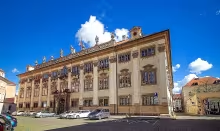
Nostický Palace in Prague's Malá Strana is an impressive Baroque structure with significant historical and cultural importance. Built between 1660 and 1676 by Jan Hartvík z Nostic, it exemplifies the architectural splendor of its era. Situated on Maltézské náměstí, this monument has been recognized as a national cultural site since 2026, highlighting its lasting legacy.
Constructed during a time when Bohemia was part of the Habsburg Monarchy under Leopold I, Nostický Palace reflects the Baroque architectural boom across Europe. It replaced earlier structures on the site, including Lazarovská zahrada and two demolished houses, U zelené růže and U zlatého medvěda.
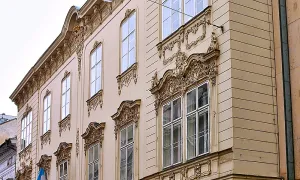
Architecturally, it is noted for its Baroque style with later Rococo modifications. Initially designed by either Francesco Caratti or Carlo Lurago, the palace underwent several enhancements over time. By 1720, an attic featuring sculptures of four emperors was added, likely crafted by Michael Jan Brokoff. Around 1760, significant Rococo changes were implemented under Antonín Haffenecker's direction, including a new main portal and garden additions. The façade also saw classical alterations in the late 18th century.
Ownership has shifted dramatically over time. Originally belonging to Jan Hartvík z Nostic until 1945, it was confiscated from the family under Beneš Decrees due to their classification as Reich Germans. Various Czechoslovak government ministries have since utilized parts of the building, and it even housed a section of the Netherlands Embassy until 1996. Today, it serves as the seat of the Ministry of Culture of the Czech Republic.
Throughout its history, Nostický Palace has witnessed key events and undergone notable changes. In 1765, Antonín Haffenecker added the main Rococo portal and established gardens and stables. A major reconstruction between 1998 and 2002 adapted the palace for use by the Ministry of Culture, incorporating contemporary art installations within its interiors.
Today, Nostický Palace remains a site of cultural significance, attracting visitors worldwide with its rich history and architectural beauty. The main hall features frescoes depicting Helios, adding to its artistic allure. Its location on Malá Strana near Maltézské náměstí places it amidst other historical sites and gardens, enhancing its appeal as a cultural landmark.
Nostický Palace is not just an architectural marvel but also a living testament to Prague's cultural evolution. Its storied past and current role in housing the Ministry of Culture make it a must-visit for anyone interested in history, architecture, or Czech culture. Visitors are invited to explore this iconic palace and experience its historical grandeur firsthand.
Historical milestones
- 1660
- Construction of Nostický palác began.
- 1676
- Completion of initial construction phase.
- 1765
- Addition of Rococo elements and establishment of gardens by Antonín Haffenecker.
Architectural development
The palace was initially constructed in the Baroque style between 1660 and 1676. In the early 18th century, it received an attic with sculptures by Michael Jan Brokoff. Around 1760, significant Rococo modifications were made under Antonín Haffenecker's direction, including a new main portal and garden additions. The façade underwent classical alterations in the late 18th century.
Historical events
1660-1676: Construction of the palace by Jan Hartvík z Nostic.
1765: Addition of the main Rococo portal and establishment of gardens and stables by Antonín Haffenecker.
2026: Designated as a national cultural monument.
Owners
The palace was originally owned by Jan Hartvík z Nostic until 1945 when it was confiscated from the family as they were classified as Reich Germans under Beneš Decrees. It has since been used by various Czechoslovak government ministries and housed a part of the Netherlands Embassy until 1996.
Points of interest
- The Nostický Palace was originally built on a site that included the Lazarovská zahrada and two demolished houses known as U zelené růže and U zlatého medvěda, reflecting a common practice of repurposing land in historic Prague.
- One intriguing aspect of the palace's architecture is its attic featuring sculptures of four emperors, likely crafted by Michael Jan Brokoff, a renowned Baroque sculptor whose works are celebrated for their intricate detail and expressive forms.
Guide
Show guide text
Welcome to the historic heart of Prague, where you stand before the magnificent Nostický Palace on Malá Strana. As you put on your headphones, let's embark on a journey through time and architecture that has shaped this iconic Baroque masterpiece.
The Nostický Palace, constructed between 1660 and 1676, was commissioned by Jan Hartvík z Nostic. This grand building replaced the Lazarovská zahrada and two houses known as U zelené růže and U zlatého medvěda, a practice that reflects the dynamic urban development of historic Prague.
As you gaze upon its impressive main façade facing Maltézské náměstí, take in the late Baroque portal and ornate balcony. These elements showcase the architectural prowess of Francesco Caratti, Carlo Lurago, and Michael Jan Brokoff, who designed this stunning edifice. The palace's architecture is a testament to its era, with grandeur that speaks volumes about its historical significance.
Step inside, where the original Baroque splendor awaits you. Notice the star-shaped parquet floors beneath your feet, an intricate design that adds depth and character to the space. Observe the baroque door frames framing each doorway, leading into rooms filled with history and stories. The stucco decorations adorning the ceilings and walls add a touch of elegance, capturing the essence of Baroque artistry.
Throughout its history, the Nostický Palace has been home to notable figures such as Jan Hartvík z Nostic himself, alongside emperors Ferdinand I. and Karel IV., and František Václav z Nostic. Each left their mark on this place, contributing to its rich tapestry of stories.
In 1765, the palace underwent significant changes with the addition of Rococo elements by Antonín Haffenecker, who also established the gardens. This transformation added a new layer of artistic expression to the already stunning structure, blending Baroque and Rococo styles in harmony.
One intriguing aspect of the Nostický Palace is its attic, which holds secrets yet to be fully uncovered. It's these hidden details that continue to captivate historians and visitors alike, inviting further exploration and discovery.
As we conclude our tour, I invite you to linger a moment longer, absorbing the atmosphere of this historic site. The Nostický Palace is not just a building; it's a living piece of history that continues to inspire and enchant those who visit.
Thank you for joining me on this journey through time. May your exploration of Prague continue with as much wonder and curiosity as we've shared today.
Tips for visitors
The best time to visit Nostický Palác is during the late spring or early fall when the weather is pleasant, allowing you to comfortably explore both the palace interiors and the surrounding gardens. These seasons offer mild temperatures ideal for walking around Malá Strana and enjoying outdoor activities in nearby Nostic Garden without the summer crowds or winter chill.
For transportation, Nostický Palác is conveniently accessible by public transport with several tram lines stopping near Maltézské náměstí. If you're driving, there are parking options available in the vicinity of Malá Strana, though it's advisable to check for availability as spaces can be limited during peak tourist seasons. Walking or cycling around this area is also a delightful option given its compact size and scenic views.
When visiting Nostický Palác, consider bringing comfortable walking shoes, especially if you plan on exploring the gardens or other nearby sites. A hat and sunscreen are recommended for protection against the sun during your outdoor explorations. Additionally, carrying a water bottle will help keep you hydrated throughout your visit.
Photography enthusiasts will find several spots around Nostický Palác ideal for capturing its Baroque architecture, especially in the late afternoon when the light is softer and more flattering. The main façade facing Maltézské náměstí offers a stunning view against the setting sun. Inside, if photography is permitted, look for unique architectural details that highlight the palace's historical significance.
For families with children, Nostický Palác provides an enriching cultural experience. Nearby, within 30 minutes walking distance or a short tram ride, you can explore other attractions such as Nostic Garden, which offers beautiful landscapes and is perfect for a leisurely family stroll. The area's rich history and architecture make it both educational and entertaining for children.
Businesses nearby
Nearby
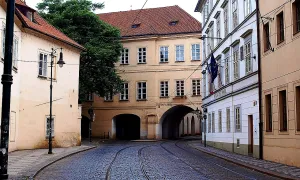
Nostický palác is situated on Malá Strana in Prague, near Maltézské náměstí. The area features other historical sites and gardens, including Nostic Garden, which adds to its cultural significance.
Accommodation nearby
Trips and activities nearby
Guided tours, tickets and activities nearby from GetYourGuide
Search tours and activities →Themed route
Tematická výletní trasa: Nostický palác a jeho okolí
1. Nostický palác - *Typ:* Historický palác - *Proč stojí za návštěvu:* Nostický palác je krásným příkladem barokní architektury na Malé Straně v Praze. Palác, postavený pro hraběte Františka Antonína Nostic-Rienecka, nabízí návštěvníkům pohled do bohaté historie a uměleckých pokladů z minulosti.
2. Nostic Garden - *Typ:* Historický park - *Proč stojí za návštěvu:* Nostic Garden je jedním z nejstarších přírodních parků v Praze, nacházející se vedle Nostického paláce. Park nabízí klidnou útěk do zeleň s krásnými kvetoucími sadami a starožitným ovocným sadem, což je ideální místo pro relaxaci po prohlídce paláce.
3. Maltézské náměstí - *Typ:* Náměstí - *Proč stojí za návštěvu:* Maltézské náměstí je historickým srdcem Malé Strany, známé svou architektonicky zajímavou budovou Maltézského paláce. Náměstí slouží jako výchozí bod pro prozkoumání dalších historických památek a krásných uliček na této části Prahy.
Tato trasa nabízí návštěvníkům pohled do bohaté historie a kultury Malé Strany, s důrazem na Nostický palác a jeho okolní zelené prostory.
Seasonal recommendations
Spring: Visiting Nostitz Palace during spring offers a unique experience as the city of Prague awakens with vibrant colors and blossoming flora. The palace gardens, though not as expansive as some others in the city, provide a refreshing green space that complements the historic architecture beautifully. Spring light creates an enchanting atmosphere, casting soft shadows across the ornate facades. Visitors should take advantage of this season's moderate weather by wearing layers to adjust comfortably throughout their visit. The early months of spring typically see fewer tourists compared to summer, making it a more peaceful time to explore.
Summer: Summer is a popular time for visiting Nostitz Palace due to Prague’s peak tourist season and the palace's proximity to other cultural hotspots in the city center. With longer daylight hours, visitors can enjoy extended exploration of the palace grounds and surrounding areas. However, this also means larger crowds, so it’s advisable to arrive early in the day to avoid long lines at the entrance. Light clothing is recommended due to warmer temperatures, but comfortable walking shoes are essential for navigating both the palace interiors and city streets.
Autumn: Autumn brings a picturesque transformation to Prague, with Nostitz Palace set against a backdrop of rich autumnal hues. The changing leaves create a stunning contrast with the historic architecture, offering excellent photo opportunities. This season is ideal for those who prefer cooler temperatures and fewer crowds than summer. Visitors should dress warmly in layers as the weather can be unpredictable, sometimes even chilly. The shorter days mean that planning your visit to make the most of daylight hours is crucial.
Winter: Winter transforms Nostitz Palace into a serene destination with its historic charm accentuated by festive lights and decorations. While the palace itself may have limited outdoor activities due to snow or ice, the winter atmosphere adds a magical touch to the experience. Visitors should prepare for colder weather by dressing in warm layers and bringing gloves and hats. The shorter days mean that visiting earlier in the day is advisable, as some attractions might close earlier than usual during this season. Despite potential crowds around holiday periods, the palace remains a peaceful retreat from the bustling city center.
Visualizations and artistic views

Vizualizace jsou generovány umělou inteligencí a slouží jako inspirace.


Atmosphere of the place
Atmospheric visualization of the setting and era
Tips from visitors
No tips yet. Be the first!
Log in and add your tip.


Reviews and comments