





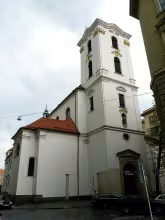
The Church of the Assumption of the Virgin Mary in Brno is a Roman Catholic parish church located in the city district of Brno-střed. This architectural gem stands as a cultural monument of the Czech Republic, reflecting significant historical transformations from its inception to today. Originally built by the Jesuits, it showcases various styles ranging from mannerism to baroque, marking its importance not only as a place of worship but also as a testament to Brno's rich cultural heritage.
The church's origins trace back to the late 16th century during a period marked by religious and political changes under Habsburg rule in Bohemia. The Counter-Reformation efforts were intensifying across Europe, influencing Jesuit activities in Brno. In 1599, construction began on the new Church of the Assumption of the Virgin Mary under Jan Křtitele Erna's design. This marked a significant shift from its predecessor, an Augustinian convent replaced by the Jesuits in 1578. The church underwent several transformations over the centuries, including major baroque renovations led by Mořic Grimm between 1732 and 1733.
Architecturally, the church is notable for its blend of styles. Initially constructed in a mannerist style, it later embraced baroque elements through significant renovations. These changes were part of broader efforts to enhance its aesthetic appeal and functionality. The interior features an array of artistic works, including a main altar adorned with artwork by Felix Antonín Scheffler, which replaced an earlier piece. Additionally, the church houses a copy of a venerated image of the Virgin Mary from Rome, adding to its spiritual significance.
Ownership and administration of the church have seen dramatic changes over time. Initially managed by the Jesuit Order until 1773, it later served military purposes following the order's dissolution. Today, it stands as a cultural monument under the protection of the Czech Republic, reflecting its enduring historical and architectural value.
The church has witnessed several key events throughout its history. Notably, during World War II, it suffered severe damage from bombings in November 1944. However, subsequent restoration efforts have preserved its structural integrity and artistic heritage. From 1995 to 2014, the Architectural Heritage Rescue Programme funded significant restorations, ensuring the church's continued prominence as a cultural landmark.
Today, the Church of the Assumption of the Virgin Mary remains an accessible site for visitors, offering insights into Brno's rich historical tapestry. Its architectural beauty and historical significance make it a must-visit destination for those interested in exploring the cultural heritage of the Czech Republic. The church not only serves as a place of worship but also stands as a testament to the resilience and artistic achievements of past generations. Visitors are invited to explore this remarkable monument, which continues to captivate with its storied past and enduring beauty.
Historical milestones
- 1599
- Construction of the new Church of the Assumption of the Virgin Mary began.
- 1662
- The church was rebuilt and expanded according to Jan Křtitele Erna's project.
- 1732
- Mořic Grimm undertook significant baroque renovations.
Architectural development
Construction of the current structure began in 1599 under Jan Křtitele Erna's design, with significant baroque renovations led by Mořic Grimm between 1732 and 1733. The church has been restored multiple times, including a major restoration funded through the Architectural Heritage Rescue Programme from 1995 to 2014.
Historical events
The original Augustinian convent was replaced by the Jesuits in 1578.
The church was severely damaged during World War II bombings.
Owners
Jesuit Order (1599-1773)
Military use post-1773
Czech Republic as a cultural monument
Points of interest
- The Church of the Assumption of the Virgin Mary was originally built on the site of an Augustinian convent that was replaced by the Jesuits in 1578, highlighting a significant shift in religious influence during that period. - During World War II, the church suffered severe damage from bombings in November 1944, but it has since been restored to preserve its historical and architectural significance.
Guide
Show guide text
Welcome to the Church of the Assumption of the Virgin Mary in Brno-střed, a remarkable testament to the rich tapestry of history and architecture that this city has to offer. As you stand here, take a moment to absorb the grandeur before you. The church, with its imposing presence, invites you into a story woven through centuries.
The origins of this sacred site trace back to 1599 when construction began on what would become a pivotal religious landmark in Brno. Originally built by Jesuits, it replaced an Augustinian convent that had been present since 1578. This transition marked a significant shift in the spiritual landscape of Brno, reflecting broader changes within the region during this period.
As you explore further, notice how the church's architecture narrates its own history. Initially constructed in the manierist style, it underwent substantial transformations over the years. By 1662, under the vision of Jan Křtitele Erna, the church was rebuilt and expanded, embracing a new architectural direction. The most striking transformation came with Mořic Grimm's baroque renovations in 1732, which added layers of opulence and grandeur to its structure.
Now, let your gaze wander over the intricate details that have stood the test of time. While specific elements like sculptures or paintings aren't mentioned here, you're encouraged to appreciate the overall aesthetic and atmosphere that these historical periods brought into being. The church's façade and interior spaces are imbued with stories from each era it has witnessed.
Throughout its history, this church has been a silent witness to both triumphs and tribulations. During World War II, it suffered severe damage due to bombings, yet it stands resilient today as a symbol of endurance and faith. This resilience is a testament to the community that surrounds it, preserving its legacy through times of peace and conflict.
As you continue your visit, let yourself be drawn into the mystery and allure of this historic site. Imagine the countless individuals who have passed through its doors over the centuries, each leaving their own mark on its storied walls.
In conclusion, we invite you to delve deeper into the layers of history that envelop the Church of the Assumption of the Virgin Mary. Whether it's exploring the surrounding Brno-střed district or reflecting on the spiritual significance of this place, there is much more to discover here. Thank you for joining us on this journey through time and architecture. We hope your visit has been enlightening and that it inspires you to explore further the rich cultural heritage that Brno has to offer.
Tips for visitors
The best time to visit the Church of the Assumption of the Virgin Mary in Brno is during late spring or early autumn, when the weather is pleasant for exploring the historic center without the crowds that peak season brings. The soft light during these months also enhances the beauty of the church's architecture and interior details.
Parking near the church can be challenging due to its location in the city center. It is advisable to use public transportation or park at a distance and walk, as there are several parking facilities around Brno-střed that cater to visitors. The area is well-served by buses and trams, making it accessible without needing a car.
When visiting, consider bringing comfortable walking shoes for exploring the historic center on foot. A camera or smartphone with a good camera can help capture the stunning architecture of the church and its surroundings. Don't forget to bring water and perhaps a light snack if you plan to spend several hours in the area.
For photography enthusiasts, early morning is the best time to capture the church's facade without harsh shadows, while the interior offers beautiful lighting conditions throughout the day. The surrounding streets of Brno-střed provide excellent backdrops for photos with the church as a focal point.
Families with children will enjoy exploring nearby attractions within 30 minutes, such as the Tugendhat Villa and the Moravian Gallery in Kounic Palace. These sites offer interactive exhibits and beautiful gardens that are perfect for family outings. The area's rich history and architecture make it an educational experience for all ages.
Businesses nearby
Do you run a restaurant, accommodation, shop, museum, rental, wellness or other visitor service near this monument? Show yourself directly to the people heading to it — this is how they will see you in the app and on the web:
Events nearby


Event source: Kudy z nudy and open data of the Czech Republic
Nearby
Located within Brno's historic center, the church is surrounded by other cultural and historical sites. The area offers a rich architectural landscape with various monuments and natural features nearby.
Accommodation nearby
Trips and activities nearby
Guided tours, tickets and activities nearby from GetYourGuide
Search tours and activities →Themed route
Tematická výletní trasa: Historické a kulturní centrum Brno-města
1. Kostel Nanebevzetí Panny Marie (Brno-město) *Typ:* Kostel *Proč stojí za návštěvu:* Tento barokní kostel je jednou z nejvýznamnějších architektonických památek v Brně. Jeho bohaté historie a impresivní interiér, včetně freskových dekorací a sochařských děl, nabízejí návštěvníkům hluboký pohled do minulosti města.
2. Staré Město *Typ:* Historické centrum *Proč stojí za návštěvu:* Nachází se jen několik minut od kostela Nanebevzetí Panny Marie a je známý svou zachovanou historickou architekturou. Procházka po ulicích Starého Města nabídne pohled na starobylé domy, klenotnice a nádherné barokní fassády, které odrážejí bohatou historii Brna.
3. Kostel svaté Kateřiny *Typ:* Kostel *Proč stojí za návštěvu:* Tento kostel je další významnou barokní památkou, která se nachází blízko Starého Města. Jeho jedinečný interiér a bohatý architektonický styl přitahují návštěvníky, kteří mají rádi historii a umění.
4. Kostel svatého Jakuba *Typ:* Kostel *Proč stojí za návštěvu:* Nachází se v blízkosti kostela Nanebevzetí Panny Marie a je známý svou gotickou architekturou. Jeho historie sahá do 13. století, což jej činí jedním z nejstarších kostelů v Brně, nabízejícím pohled na dlouhou tradici města.
5. Kostel svatého Petra a Pavla *Typ:* Kostel *Proč stojí za návštěvu:* Tento kostel je dalším přitažlivým bodem v historickém centru Brna, známý svou barokní architekturou a bohatými interiéry. Jeho poloha umožňuje snadný pohled na okolní kulturní památky a nabízí klidné místo pro odpočinek po prozkoumání města.
Tato trasa vás provede skrze srdce Brna, kde každý kostel představuje kapitolu z bohaté historie města.
Seasonal recommendations
Spring: The Nanebevzetí Panny Marie Church in Brno-Město offers a refreshing ambiance as spring breathes new life into the surroundings. During this season, the blossoming flowers and budding trees create a picturesque setting that enhances the church's architectural beauty. Visitors can enjoy softer lighting conditions, ideal for photography without harsh shadows. It is advisable to wear comfortable layers due to fluctuating temperatures and arrive early to avoid any potential springtime crowds as people emerge from winter hibernation.
Summer: Summer at the Nanebevzetí Panny Marie Church is characterized by long days and vibrant natural light that beautifully illuminates its intricate details. The lush greenery surrounding the church provides a serene backdrop, perfect for leisurely exploration. This season attracts more visitors due to favorable weather conditions, so planning an early visit can help avoid larger groups. Wearing breathable clothing and comfortable shoes is recommended, as you may want to walk around the area or enjoy nearby parks.
Autumn: Autumn brings a kaleidoscope of warm colors that beautifully frame the Nanebevzetí Panny Marie Church, making it an ideal time for photography enthusiasts. The cooler temperatures are perfect for exploring without the summer heat, and the church often feels more tranquil as the crowds thin out. Visitors should dress in layers to accommodate changing weather conditions throughout the day. This season offers a unique opportunity to appreciate the church's architecture against the backdrop of falling leaves.
Winter: Winter transforms the Nanebevzetí Panny Marie Church into a serene and contemplative space, often adorned with festive decorations during the holiday season. The shorter days mean that lighting inside the church is softer and more intimate, creating a cozy atmosphere for visitors. Due to colder temperatures, it's important to dress warmly in layers and wear comfortable footwear. Visiting early or later in the day can help avoid any potential winter crowds, allowing for a peaceful experience amidst the quiet beauty of the season.
Visualizations and artistic views


Vizualizace jsou generovány umělou inteligencí a slouží jako inspirace.


Tips from visitors
No tips yet. Be the first!
Log in and add your tip.

Reviews and comments