






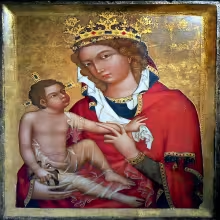
The Veveri Madonna, also known as the Madonna of Veveří, is a remarkable tempera painting by an artist commonly referred to as the Master of Vyšší Brod. This artwork holds significant historical and artistic value due to its unique blend of Italian influences with local Bohemian traditions. Commissioned after 1344 for the Romanesque church of the Assumption of Our Lady near Veveří Castle in Brno, Moravia, it was created for Margrave John Henry of Luxembourg. The painting is currently exhibited at the Diocesan Museum in Brno and has been recognized as a national cultural monument since 2016.
The origins of the Veveri Madonna are rooted in mid-14th century Bohemia under the Luxembourg dynasty's rule, a period marked by significant cultural and artistic developments. This era saw an integration of broader European trends with local traditions, evident in this artwork. The painting was likely commissioned by Margrave Jan Jindřich of Luxembourg around 1350, reflecting the devotional practices and artistic preferences of that time.
Artistically, the Veveri Madonna stands out for its composition and materials. Created using tempera on a pine wood panel covered with canvas and adorned with pastiglia stucco relief decoration and gold metal slices, it measures 79.5 cm by 62.5 cm. The painting depicts Mary as a half-figure holding the Christ Child, who touches her hand while holding a goldfinch—a symbol associated with Christ's Passion. Mary is depicted wearing a double crown without a veil, showcasing a blend of Byzantine-Italian influences adapted in a uniquely balanced style.
Throughout its history, the Veveri Madonna has changed hands and locations several times. Originally housed in the chapel of Matky Boží na Veveří from 1350 to 1938, it was then moved to Národní galerie v Praze. In 2016, it was declared a national cultural monument, reflecting its enduring significance.
The painting has been part of numerous exhibitions across Europe and the United States, highlighting its importance in medieval Bohemian art. Notable exhibitions include "Gotické umění na Moravě a ve Slezsku" in Brno (1935-36), "Medieval Bohemian Art" at The Metropolitan Museum of Art in New York (2005-06), and "Prague, the Crown of Bohemia, 1347-1437" (2005).
Today, the Veveri Madonna is accessible to visitors at the Diocesan Museum in Brno. Its historical significance, artistic mastery, and symbolic depth make it a compelling piece for art enthusiasts and historians alike. The painting not only offers insight into medieval Bohemian art but also serves as a testament to the cultural exchanges of its time. Visitors are invited to explore this masterpiece and appreciate its unique contribution to the history of art.
Historical milestones
- 1350
- The painting was likely commissioned by Margrave Jan Jindřich and created in a workshop associated with the Vyšebrod Altarpiece.
- 1938
- The painting was moved to Národní galerie v Praze.
- 2016
- Declared a national cultural monument.
Architectural development
The painting, created using tempera on limewood with gold leaf embellishments, reflects the artistic techniques of its time. It draws inspiration from Italian models while incorporating local stylistic elements, such as the use of lapis lazuli for modeling.
Historical events
Commissioned around 1350 for the chapel at Veveří Castle.
Moved to Národní galerie in Prague in 1938.
Declared a national cultural monument in 2016.
Owners
Originally in the chapel of Matky Boží na Veveří (1350-1938), then held by Národní galerie v Praze until 2016, and since then recognized as a national cultural monument.
Points of interest
- The Veveri Madonna is notable for its use of pastiglia stucco relief decoration and gold metal slices, which are not commonly found in other Bohemian artworks from the same period. This technique adds a three-dimensional aspect to the painting, enhancing its visual impact.
Guide
Show guide text
Welcome to this remarkable piece of history nestled in Brno-město—the Veveri Madonna. As you stand before it, take a moment to absorb the serene beauty and intricate craftsmanship that has captivated viewers for centuries.
Crafted around 1350, this medieval panel painting is believed to have been commissioned by Margrave Jan Jindřich of Luxembourg. It's a testament to the devotional trends of the mid-14th century, featuring an intimate composition of the Virgin Mary and Child. The artwork employs tempera on limewood, enhanced with gold leaf embellishments that reflect both Italian influences and local artistic traditions.
As you gaze upon it now, notice how the pastiglia stucco relief decoration and gold metal slices add a three-dimensional aspect to the painting. These elements are not commonly found in other Bohemian artworks from the same period, making this piece uniquely captivating.
The Veveri Madonna has an intriguing history. Initially created in a workshop associated with the Vyšebrod Altarpiece, it was moved to Národní galerie v Praze in 1938 and declared a national cultural monument in 2016. These transitions highlight its enduring significance and appeal through the ages.
Jan Jindřich Lucemburský, the likely commissioner of this masterpiece, plays a pivotal role in its story. His patronage reflects the cultural and artistic priorities of his time, making this painting not just an artwork but a historical document as well.
Now, let's delve into one of the intriguing aspects of the Veveri Madonna—its use of techniques that are rare for Bohemian art from this era. The combination of pastiglia stucco relief and gold metal slices creates a visual impact that is both striking and enigmatic, inviting viewers to ponder its deeper meanings.
As you continue your exploration, I invite you to reflect on the layers of history encapsulated in this painting. Each brushstroke tells a story, each embellishment adds depth, and together they form a narrative that transcends time.
Thank you for joining me on this journey through art and history. May your curiosity lead you to discover even more wonders as you delve deeper into the rich tapestry of Brno-město's cultural heritage. Farewell, until our paths cross again in another tale of beauty and intrigue.
Tips for visitors
The best time to visit the Madonna z Veveří painting is during late spring or early autumn when the weather is mild, and the surrounding landscapes are particularly beautiful. These seasons offer pleasant temperatures for exploring both the historical sites and natural surroundings near Veveří Castle. Additionally, visiting outside of peak tourist season can provide a more serene experience with fewer crowds.
Parking and transport options around Brno-město are convenient. There are several parking areas nearby where you can leave your car, though it's advisable to check for any restrictions or fees in advance. Public transportation is also accessible, with buses and trams connecting the city center to Veveří Castle. For the most current routes and schedules, use a local transport app or website.
When planning your visit, consider bringing comfortable walking shoes as you'll likely explore both indoor and outdoor areas. A light jacket might be useful due to variable weather conditions, especially in spring and autumn. Don't forget water and snacks if you plan on spending several hours exploring the area around Veveří Castle.
For photography enthusiasts, capturing the Madonna z Veveří painting is best done during daylight hours when natural light enhances its details. The chapel where the painting is housed may offer unique lighting conditions that change throughout the day, so consider visiting at different times to find your preferred ambiance. Additionally, the surrounding landscapes of Veveří Castle provide excellent backdrops for photographs.
In addition to the Madonna z Veveří, there are several other attractions within a 30-minute drive from Brno-město that you might enjoy. The historical sites around Veveří Castle itself offer insights into medieval architecture and history. For families with children, these areas can be both educational and entertaining, providing opportunities to learn about the past in an engaging way.
Businesses nearby
Do you run a restaurant, accommodation, shop, museum, rental, wellness or other visitor service near this monument? Show yourself directly to the people heading to it — this is how they will see you in the app and on the web:
Nearby
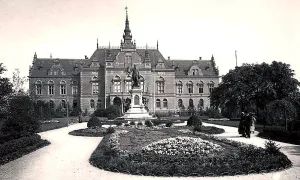
Located near Veveří Castle in Brno-město, the painting originally adorned a chapel within the castle's precincts. The surrounding area includes historical sites and natural landscapes.
Accommodation nearby
Themed route
Thematic Walking Tour: "Madonna z Veveří and the Surroundings"
1. Veveří Castle Ruins - Type: Historical Site - Why Visit: Begin your journey at the historic ruins of Veveří Castle, which offer a glimpse into Brno's medieval past. The castle’s strategic location on a hill provides panoramic views of the surrounding landscape and serves as the backdrop for the famous painting "Madonna z Veveří."
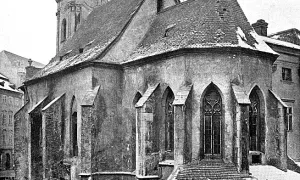
2. Chapel Ruins - Type: Historical Site - Why Visit: Explore the remnants of the chapel where the original "Madonna z Veveří" once adorned its walls. This site provides insight into the religious and cultural significance of the painting within the castle's precincts, offering a tangible connection to history.
3. Castle Hill Walk - Type: Natural Landscape - Why Visit: Take a leisurely walk around Castle Hill, where Veveří Castle stands. The area is rich with natural beauty and offers serene paths that allow visitors to immerse themselves in the tranquil surroundings while reflecting on the historical narratives tied to this iconic site.
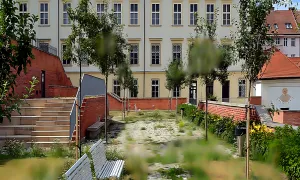
4. Veveří Park - Type: Natural Landscape - Why Visit: Conclude your tour at Veveří Park, a green oasis near the castle ruins. The park provides a peaceful setting for relaxation and contemplation after exploring the historic sites, with its lush landscapes offering a perfect spot to appreciate the beauty of Brno’s natural environment.
This thematic walking tour combines history and nature, providing an enriching experience centered around "Madonna z Veveří" and its historical context within the Veveří Castle area.
Seasonal recommendations
Spring: Visiting the Madonna of Veveří during spring offers a unique experience as nature begins to awaken around Brno-město. The soft, diffused light of early morning or late afternoon enhances the colors and details of the painting, creating an ethereal atmosphere that complements its historical significance. Spring's mild weather encourages outdoor exploration before arriving at the site, with blooming flora adding a picturesque backdrop. Visitors should be prepared for occasional showers by wearing layers and carrying an umbrella. Arriving early is advisable to enjoy the tranquility before larger crowds gather as the season progresses.
Summer: Summer is the peak tourist season in Brno-město, making it essential to plan your visit to the Madonna of Veveří accordingly. The long daylight hours provide ample time for exploration and allow for a leisurely experience with the painting under bright sunlight that accentuates its vivid colors. However, this also means larger crowds, so arriving early or visiting during weekdays can offer a more serene atmosphere. Comfortable walking shoes and light clothing are recommended due to warmer temperatures, along with staying hydrated as you explore the area.
Autumn: Autumn brings a stunning transformation of Brno-město's landscape into warm hues that beautifully contrast with the Madonna of Veveří's timeless artistry. The cooler weather makes for comfortable exploration without the summer crowds, offering a more intimate experience. The soft, golden light of autumn enhances the painting’s details and creates a cozy atmosphere perfect for reflection. Visitors should wear layers to adapt to changing temperatures throughout the day and consider bringing a jacket as evenings can get chilly.
Winter: Winter at the Madonna of Veveří offers a serene and magical setting with snow-covered surroundings that create a picturesque backdrop for this historic site. The shorter days mean fewer visitors, allowing for a peaceful visit where one can truly appreciate the painting's details in the soft winter light. However, be prepared for colder temperatures by dressing warmly in layers and wearing insulated footwear. Check opening hours as they may vary during the winter months, and consider visiting on a sunny day to make the most of the limited daylight.
Tips from visitors
No tips yet. Be the first!
Log in and add your tip.

Reviews and comments