





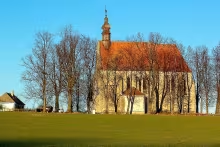
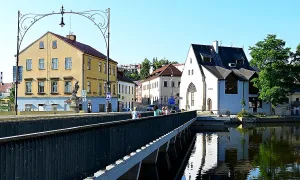
The Church of the Body of Christ and Holy Spirit in Slavonice is the town's oldest structure, dating back to around 1280. This Gothic chapel has seen numerous changes over time, including late Gothic modifications, Baroque renovations, and Neo-Gothic restorations. Its importance is highlighted by its status as a national cultural monument of the Czech Republic since 1958.
The church's origin is rooted in legend. It was reportedly built on a site where consecrated hosts were repeatedly found, despite being stolen from the local parish church of Nanebevzetí Panny Marie (Assumption of the Virgin Mary). This mysterious occurrence led to the chapel's construction at this location. The original Gothic structure was destroyed during the Hussite siege in 1423 but rebuilt by 1437.
Architecturally, the church has evolved significantly over time. Initially a simple Gothic chapel, it expanded into a double-nave pilgrimage church by the late 15th century. The Baroque period brought substantial changes, including new altars and interior modifications, captured in a veduta by Jan Nevídal in 1729. By the 19th century, Neo-Gothic elements had been added, further altering its appearance.
Throughout its history, the church has experienced various administrative and ownership changes. In 1296, Olomouc Bishop Dětřich consecrated the chapel and granted it indulgences, a practice continued by subsequent bishops until 1415. The Hussite Wars brought destruction in 1423, but the chapel was rebuilt and rededicated by 1437. By the late 18th century, Josephinian reforms led to its closure in 1783; however, thanks to local advocacy, it remained a pilgrimage site.
The church has witnessed several key events and curiosities over the centuries. Notably, during the Baroque period, two votive paintings survived because their donor's family took them and later returned them. Additionally, the church was once home to a hermitage occupied until 1778 by Leopold Mendig, a devout Franciscan lay brother.
Today, the Church of the Body of Christ and Holy Spirit remains an important cultural and historical site in Slavonice. Its rich history and architectural evolution make it a compelling destination for visitors interested in exploring Bohemian heritage. The church's enduring legacy as a place of worship and pilgrimage continues to attract those who appreciate its historical significance and artistic beauty.
Historical milestones
- 1296
- The chapel was consecrated by Olomouc Bishop Dětřich.
- 1423
- The Hussites destroyed the chapel during their siege of Slavonice.
Architectural development
Initially constructed as a Gothic chapel, the structure faced destruction in 1423 and subsequent reconstruction. By the late 15th century, it had been expanded into a double-nave pilgrimage church with Neo-Gothic elements added in the 19th century. The Baroque period saw significant architectural changes including new altars and interior modifications.
Historical events
- 1296
- The chapel was consecrated by Olomouc Bishop Dětřich and granted indulgences.
- 1423
- During the Hussite siege, the chapel was destroyed but rebuilt in 1437.
- 1783
- The church was closed due to Josephinian reforms but later preserved as a pilgrimage site.
Points of interest
- The Church of the Body of Christ and Holy Spirit is shrouded in a legend involving consecrated hosts that mysteriously reappeared at its site after being stolen from the local parish church of Nanebevzetí Panny Marie, leading to its construction.
- During the Baroque period, two votive paintings were saved from destruction because their donor's family removed them for safekeeping and later returned them to the church, preserving these artworks against odds.
Guide
Show guide text
Welcome to the Church of the Body of Christ and Holy Spirit in Slavonice, a jewel nestled within this historic town. As you stand here, take a moment to absorb your surroundings—the oldest structure in Slavonice, with its walls echoing tales from centuries past. The church's façade, though weathered by time, speaks volumes about its rich history and architectural evolution.
Let’s delve into the origins of this remarkable building. Constructed around 1280 as a Gothic chapel, it served as a spiritual sanctuary for the community. By 1296, Bishop Dětřich from Olomouc consecrated the chapel, marking an important milestone in its early history. However, the Hussites, during their siege of Slavonice in 1423, left their destructive mark by demolishing it.
As you explore further, notice how the church has undergone several transformations over the centuries. It embraced late Gothic modifications before transitioning into a Baroque masterpiece and later experiencing Neo-Gothic restorations. Each architectural phase contributed to its current grandeur, creating a tapestry of styles that tell a story of resilience and adaptation.
Now, turn your attention to some intriguing aspects of this site. The church is shrouded in an enchanting legend involving consecrated hosts stolen from the local parish church of Nanebevzetí Panny Marie, which mysteriously reappeared at this very spot. This miraculous event led to the construction of what stands before you today—a testament to faith and mystery.
During the Baroque period, two votive paintings added another layer to its historical narrative. These artworks not only enhanced the church's aesthetic appeal but also served as a reminder of the community’s gratitude for divine interventions.
Karel Eichler is one notable figure associated with this place. His contributions further enriched the cultural and spiritual significance of the Church of the Body of Christ and Holy Spirit, cementing its status as a national cultural monument in the Czech Republic.
As you continue your exploration, let your imagination wander through time, reflecting on the countless stories these walls have witnessed. This church is not just an architectural marvel; it’s a living chronicle of history, faith, and community spirit.
We invite you to delve deeper into its mysteries and perhaps uncover more about this fascinating site that has stood the test of time. Thank you for joining us in appreciating this remarkable piece of heritage. Enjoy your journey through Slavonice!
Businesses nearby
Do you run a restaurant, accommodation, shop, museum, rental, wellness or other visitor service near this monument? Show yourself directly to the people heading to it — this is how they will see you in the app and on the web:
Accommodation nearby
Trips and activities nearby
Guided tours, tickets and activities nearby from GetYourGuide
Search tours and activities →Themed route
Tematická výletní trasa: Kostel Božího Těla a svatého Ducha, Slavonice
1. Kostel Božího Těla a svatého Ducha - *Typ:* Náboženská památka - *Proč stojí za návštěvu:* Tento barokní kostel je nejvýznamnější architektonickou památkou v Slavonicích, známý svým bohatým historickým pozadím a krásnými interiéry. Je to ideální místo pro ty, kteří mají zájem o náboženskou architekturu a dějiny města.
2. Staroměstské náměstí - *Typ:* Náměstí - *Proč stojí za návštěvu:* Toto historické srdce Slavonicích nabízí pohled na klasickou českou architekturu a je centrem místního života. Je to skvělý výchozí bod pro prozkoumání města, s přilehlými obchody a restauracemi.
3. Městské muzeum Slavonice - *Typ:* Muzeum - *Proč stojí za návštěvu:* Toto muzeum poskytuje hluboký vhled do historie a kultury Slavonicích, s výstavami zaměřenými na místní dějiny a tradice. Je ideální pro ty, kteří chtějí lépe pochopit kulturní kontext kostela Božího Těla a svatého Ducha.
4. Staroměstská radnice - *Typ:* Historický objekt - *Proč stojí za návštěvu:* Tato impozantní renesanční budova je významnou historickou památkou, která představuje architektonické dovednosti minulých generací. Je to skvělým místem pro pochopení administrativního a kulturního dědictví Slavonicích.
5. Biskupský palác - *Typ:* Historická budova - *Proč stojí za návštěvu:* Tento elegantní barokní palác byl kdysi sídlem biskupa a dnes slouží jako muzeum. Nabízí výstavy zaměřené na historii regionu, což poskytuje další kontext k pochopení kulturního bohatství Slavonicích.
Tato trasa nabízí komplexní pohled na historickou a kulturní krajinu Slavonicích, začínající od hlavní náboženské památky a rozšiřující se k dalším klíčovým místům v okolí.
Seasonal recommendations
Spring: Visiting the Church of the Body of Christ and Holy Spirit during spring offers a unique experience as nature begins to awaken around Slavonice. The surrounding landscapes are adorned with blooming flowers, creating a picturesque setting that enhances the church's historic charm. During this time, the weather is generally mild, making it an ideal period for outdoor exploration and photography. However, be prepared for occasional rain showers, which can add a fresh scent to the air but may require carrying an umbrella or wearing waterproof footwear. The atmosphere is tranquil with fewer visitors compared to summer, allowing for a more intimate experience of the church's serene environment.
Summer: Summer is the peak season for visiting the Church of the Body of Christ and Holy Spirit in Slavonice, when the weather is warm and inviting. This period sees an influx of tourists drawn by the lush greenery and vibrant outdoor activities in the region. The church itself basks in abundant natural light, accentuating its architectural details. It's advisable to visit early in the morning or later in the afternoon to avoid large crowds and the midday heat. Light, breathable clothing is recommended, along with sunscreen and a hat for sun protection. Planning your visit during this season allows you to enjoy not only the church but also the lively atmosphere of nearby cultural events.
Autumn: Autumn brings a magical transformation to Slavonice, with the Church of the Body of Christ and Holy Spirit set against a backdrop of fiery reds, oranges, and yellows. The crisp air and cooler temperatures make it an excellent time for walking tours around the historic town. As leaves fall, they create a carpet that enhances the church's picturesque setting, providing stunning photo opportunities. While the number of visitors decreases compared to summer, some local festivals may still draw crowds, so checking event schedules can help in planning your visit. Layered clothing is recommended to accommodate fluctuating temperatures throughout the day.
Winter: The winter months offer a serene and contemplative atmosphere at the Church of the Body of Christ and Holy Spirit in Slavonice. Snow-covered landscapes create a picturesque scene that adds to the church's historic allure, while shorter daylight hours result in softer lighting conditions ideal for photography. During this time, visitor numbers are significantly lower, allowing for a peaceful exploration of the site. However, be mindful of the cold weather and ensure you dress warmly with layers, including a coat, scarf, and gloves. The church may have reduced opening hours or special holiday events during Christmas, so it's wise to check in advance if your visit coincides with these times.
Visualizations and artistic views


Vizualizace jsou generovány umělou inteligencí a slouží jako inspirace.


Tips from visitors
No tips yet. Be the first!
Log in and add your tip.



Reviews and comments