





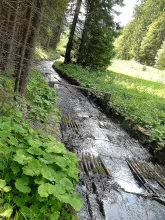
The Plavební kanál Kaplického potoka is a significant waterway in Horní Vltavice, Jihočeský kraj. It stands as a testament to early 19th-century engineering and industrial development. Constructed on the Kaplický potok river, this canal was primarily designed for transporting timber from surrounding forests to local mills in Lenoře and Idina. Its historical importance is highlighted by its designation as part of the Soubor plavebních kanálů na Šumavě, a national cultural monument of the Czech Republic since 2014.
The canal's construction was completed in 1833 during Austrian rule over Bohemia. This period saw significant industrial growth and infrastructural advancements across Europe. The Plavební kanál Kaplického potoka reflects these broader trends by facilitating timber movement—a crucial resource for burgeoning industries—thereby boosting regional economic activities.
Architecturally, the canal was engineered to ensure a consistent water flow necessary for log transport. An artificial reservoir named Boubínské jezírko was constructed on the southern slope of Boubín hill to maintain this supply. This feature highlights the ingenuity involved in its design and construction, ensuring effective functionality throughout varying seasonal conditions.
The initiative to designate the Plavební kanál Kaplického potoka as a cultural monument came from Hynek Hladík, who was the plavební ředitel of the nearby Schwarzenberský plavební kanál. This recognition in 2014 underscores its historical and engineering significance within the region's industrial heritage.
Today, the Plavební kanál Kaplického potoka remains a point of interest for those exploring the rich history of the Šumava region. Its surrounding forests and hills offer a picturesque setting that complements its historical narrative. Visitors can appreciate not only the canal itself but also its role in the broader network of waterways, including the nearby Schwarzenberský plavební kanál.
The Plavební kanál Kaplického potoka stands as a remarkable example of early industrial infrastructure and engineering prowess. Its historical significance is further highlighted by its recognition as a national cultural monument. For those interested in history, engineering, or simply the beauty of natural landscapes intertwined with human ingenuity, a visit to this site offers a unique glimpse into the past and an appreciation for the efforts that shaped the region's industrial landscape.
Historical milestones
- 1833
- Plavební kanál Kaplického potoka byl dokončen.
- 2014
- Zapsán jako národní kulturní památka České republiky.
Architectural development
The canal was engineered to ensure sufficient water flow for transporting logs from forests to mills in Lenoře and Idina. An artificial reservoir named Boubínské jezírko was constructed on the southern slope of Boubín hill to maintain this water supply.
Historical events
1833: Completion of the waterway construction for timber transport.
2014: Designated as part of the Soubor plavebních kanálů na Šumavě, a national cultural monument.
Points of interest
- The Plavební kanál Kaplického potoka was part of a larger network known as Soubor plavebních kanálů na Šumavě, which played a crucial role in the timber industry across the Šumava region.
- An interesting architectural feature of the canal is the Boubínské jezírko reservoir. This artificial lake was ingeniously designed to ensure consistent water flow for log transport, demonstrating advanced engineering solutions for its time.
Guide
Show guide text
Welcome to the Plavební kanál Kaplického potoka, a remarkable waterway nestled in Horní Vltavice within the picturesque Jihočeský kraj. As you stand here, imagine the gentle flow of water that once carried timber from dense forests to bustling mills—a testament to human ingenuity and nature's bounty.
Constructed in the early 19th century, this canal was completed in 1833 as part of a broader initiative to enhance industrial operations across the region. Its creation marked an era where transportation and industry were evolving rapidly, reflecting the needs of a growing economy reliant on natural resources like timber from the Šumava forests.
As you take in your surroundings, notice the serene atmosphere that envelops this historical site. The canal's presence is subtle yet significant, with its waters quietly tracing paths laid centuries ago. One architectural highlight is the Boubínské jezírko reservoir—an artificial lake that exemplifies thoughtful engineering designed to manage water flow and storage.
The history of the Plavební kanál Kaplického potoka intertwines with notable figures such as Hynek Hladík, whose contributions have left an indelible mark on this region. While many architects remain unnamed, their collective vision brought forth a structure that not only served its immediate purpose but also became part of the larger Soubor plavebních kanálů na Šumavě network.
An intriguing aspect to ponder is how such infrastructure supported entire communities and industries for generations. The canal's role in facilitating timber transport underscores the interconnectedness of natural resources, human labor, and technological advancement during that period.
In 2014, this waterway was rightfully recognized as a national cultural monument of the Czech Republic, cementing its place not only in local history but also within the broader tapestry of national heritage. This recognition highlights its historical significance and enduring legacy.
As you continue your exploration, let yourself be drawn into the stories that echo through these waters. Consider how each ripple might carry tales from a time when this canal was a lifeline for the surrounding communities.
Thank you for visiting Plavební kanál Kaplického potoka. We invite you to delve deeper into its history and discover more about the rich tapestry of stories that make this place so special. Safe travels as you continue your journey through the enchanting landscapes of Jihočeský kraj.
Businesses nearby
Do you run a restaurant, accommodation, shop, museum, rental, wellness or other visitor service near this monument? Show yourself directly to the people heading to it — this is how they will see you in the app and on the web:
Nearby
Surrounding the canal are forests and hills typical of the Šumava region. Nearby is the Schwarzenberský plavební kanál, also recognized for its historical significance.
Accommodation nearby
Themed route
Thematic Walkthrough: Kaplický Potok Canal and Surroundings
1. Kaplický Potok Plavební Kanál - *Type:* Historical Waterway - *Why Visit:* Begin your journey at the heart of this engineering marvel, the Kaplický Potok Plavební Kanál. This canal is a testament to historical ingenuity in water management and transport within the Šumava region. Its construction facilitated timber rafting, playing a crucial role in local industry development.
2. Šumavské Lesy (Forests) - *Type:* Natural Surroundings - *Why Visit:* After exploring the canal, immerse yourself in the serene beauty of the Šumava forests that envelop this area. These woods offer a tranquil environment perfect for walking and enjoying nature's splendor, with trails weaving through lush greenery typical of this region.
3. Šumavské Pahorkatiny (Hills) - *Type:* Natural Landscape - *Why Visit:* Continue your exploration by venturing into the gentle hills surrounding the canal. These rolling landscapes provide picturesque views and a peaceful setting for hiking or simply relaxing amidst nature, offering insights into the region's geographical diversity.
4. Schwarzenberský Plavební Kanál - *Type:* Historical Waterway - *Why Visit:* Conclude your thematic tour with a visit to the nearby Schwarzenberský Plavební Kanál. Recognized for its historical significance, this canal shares a similar heritage with Kaplický Potok and offers additional insights into the region's past water management practices.
This route provides a comprehensive experience of both natural beauty and historical engineering achievements in the Horní Vltavice area.
Seasonal recommendations
Spring: The spring season at the Kaplický potok Canal offers a refreshing transformation as nature awakens, with blooming wildflowers and lush greenery framing the historic waterway. The gentle sunlight creates picturesque reflections on the canal's surface, enhancing its serene beauty. This is an ideal time for photography enthusiasts to capture the vibrant colors of the landscape. Visitors should consider wearing comfortable layers, as temperatures can vary throughout the day. Early mornings or late afternoons are recommended to avoid larger crowds and enjoy a peaceful experience.
Summer: Summer at Kaplický potok Canal is characterized by long daylight hours and warm weather, making it perfect for leisurely walks along the canal's pathways. The lush greenery provides ample shade, offering respite from the sun while exploring this historic site. This season attracts more visitors, so arriving early in the morning or later in the afternoon can help avoid peak times. Light, breathable clothing is advisable to stay comfortable during your visit.
Autumn: Autumn brings a stunning display of colors as the foliage around Kaplický potok Canal turns shades of red, orange, and yellow. The cooler temperatures create a cozy atmosphere, ideal for enjoying a scenic stroll or picnic by the water's edge. This season sees fewer visitors compared to summer, allowing for a more tranquil experience. Wearing layers is recommended due to fluctuating weather conditions, and carrying a light jacket can be useful as evenings tend to cool down.
Winter: The winter landscape at Kaplický potok Canal offers a unique charm with snow-covered surroundings and the possibility of ice formations on the water. Shorter daylight hours mean visits are best planned for midday when there is more natural light. While the site may have limited accessibility during this season, it provides a peaceful retreat from the bustling holiday activities elsewhere. Visitors should dress warmly in layers, including hats and gloves, to enjoy the winter scenery comfortably.
Visualizations and artistic views

Vizualizace jsou generovány umělou inteligencí a slouží jako inspirace.


Tips from visitors
No tips yet. Be the first!
Log in and add your tip.


Reviews and comments