





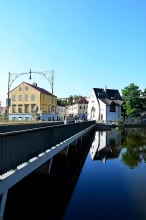
Vajgarský Most is a notable stone bridge in Jindřichův Hradec, Czech Republic. It spans between the large and small Vajgar ponds and has been recognized as a cultural monument since 1958. First mentioned in historical records from 1399, it underwent significant reconstruction in 1830 to achieve its current form. The bridge features a massive masonry arch structure oriented north-south, adorned with artistic elements such as a marble cross with figures of Christ and the Virgin Mary crafted by Matouš Strachovský around 1760, and a sandstone statue of Saint John Nepomucene from the mid-18th century. These features make Vajgarský Most not only an important historical structure but also a site rich in artistic heritage.
The earliest mention of Vajgarský Most dates back to 1399, highlighting its longstanding role as a crucial crossing over the water between the two Vajgar ponds. Its current form resulted from significant reconstruction efforts completed in 1830, influenced by broader European trends following the Napoleonic Wars, characterized by rising nationalism and cultural preservation movements.
Architecturally, Vajgarský Most exemplifies masonry arch construction. The bridge's massive stone structure is coated with plaster, featuring robust parapets that enhance its durability and aesthetic appeal. Its north-south orientation further defines its structural integrity and design purpose. Artistic elements are integral to the bridge’s identity; at the northern end stands a marble cross adorned with sculptures of Christ and the Virgin Mary by Matouš Strachovský, while the southern end boasts a sandstone statue of Saint John Nepomucene from the mid-18th century. These artistic contributions add layers of historical and cultural significance to the bridge.
Throughout its history, Vajgarský Most has undergone several phases of development and maintenance. After its initial mention in 1399, it was significantly rebuilt in 1830, establishing its present form. Further substantial repairs were made in 1897 to ensure its continued use and preservation. These efforts highlight the community's commitment to maintaining this historical structure as a functional and cultural landmark.
Today, Vajgarský Most stands as an accessible monument that captivates visitors with its blend of history and artistry. Its status as a cultural monument since 1958 underscores its importance in the local heritage landscape. The bridge serves not only as a physical crossing over the ponds but also as a testament to the region's historical narrative and artistic achievements. Visitors are invited to explore this remarkable site, where they can appreciate both its architectural grandeur and its rich historical context.
Vajgarský Most remains an enduring symbol of Jindřichův Hradec’s cultural heritage, offering insights into the past while continuing to serve as a functional piece of infrastructure. Its preservation ensures that future generations will have the opportunity to experience this unique blend of history and artistry firsthand. Whether drawn by its architectural beauty or intrigued by its historical significance, Vajgarský Most is undoubtedly worth visiting.
Historical milestones
- 1399
- First mention of Vajgarský Bridge in historical records.
- 1760
- Creation of a marble cross with figures of Christ and the Virgin Mary by Matouš Strachovský.
- c.
Architectural development
Vajgarský most has undergone several phases of development. Initially mentioned in 1399, the bridge's present structure was established in 1830. Further significant repairs were made in 1897 to maintain its integrity.
Historical events
First mention of the Vajgarský most dates back to 1399.
The bridge was significantly rebuilt in 1830, giving it its current form.
Points of interest
- The Vajgarský Most features a marble cross with sculptures of Christ and the Virgin Mary by Matouš Strachovský, a renowned Czech sculptor from around 1760 whose works are less commonly known outside art circles.
- Although first mentioned in 1399, the bridge's current form was influenced by European trends following the Napoleonic Wars, reflecting a period when rising nationalism spurred cultural preservation efforts across the continent.
Guide
Show guide text
Welcome to the Vajgarský Most in Jindřichův Hradec, a remarkable piece of history that connects not just two banks but centuries of stories and artistry. As you stand here, take a moment to absorb your surroundings: the serene water flowing between the large and small Vajgar ponds beneath this iconic stone bridge. Notice the gentle play of light on its surface, highlighting the intricate details carved into its structure.
The origins of Vajgarský Most trace back to 1399, marking it as an enduring symbol through time. Its existence has been a testament to both necessity and artistry, evolving significantly over the centuries. By 1830, the bridge underwent a significant reconstruction that shaped its current form—a blend of functionality and aesthetic appeal.
As you take in the architecture, your eyes might be drawn upward to the notable sculptures adorning this historical structure. Among these treasures is a sandstone statue of Saint John Nepomucene, dating back to around 1750. Its presence here speaks volumes about the bridge's spiritual significance over time. Nearby, a marble cross featuring figures of Christ and the Virgin Mary by Matouš Strachovský from around 1760 captivates with its intricate craftsmanship—a testament to the skill of one of Czech Republic’s renowned sculptors.
The Vajgarský Most is not just an architectural feat; it's a canvas that narrates stories through its sculptures and design. While many architects remain unknown, their work has left an indelible mark on this landscape. The bridge itself has been recognized as a cultural monument since 1958, ensuring its preservation for future generations to explore and admire.
One intriguing aspect of Vajgarský Most is the marble cross by Matouš Strachovský. While his works are celebrated within art circles, they remain less known to the wider public. This piece adds not just aesthetic value but also a layer of historical depth, inviting onlookers to ponder its origins and significance.
As you stand here, let yourself be enveloped in the atmosphere of history and artistry that surrounds Vajgarský Most. It's more than just a bridge; it's a journey through time, offering insights into the past while standing firmly in the present.
We invite you to continue exploring this fascinating site, perhaps wandering along its length or pausing again at different points to appreciate its beauty from new perspectives. Each step is an opportunity to connect with history and art in a deeply personal way.
Thank you for joining us on this journey through time at Vajgarský Most. May your exploration inspire curiosity and wonder as you discover more of the stories etched into the very stones beneath your feet. Safe travels, and until next time, let the spirit of discovery lead your way.
Tips for visitors
The best time to visit the Vajgarský most is during late spring or early autumn, when the weather is mild and pleasant for walking around the area. During these seasons, you can enjoy the natural beauty of the surrounding landscape without the crowds that might be present in peak summer months. Additionally, visiting at this time allows you to appreciate the sculptures on the bridge with better lighting conditions, enhancing your photography experience.
Parking near Vajgarský most is generally available, but it's advisable to check for any restrictions or availability beforehand as spaces can fill up quickly during weekends and holidays. Public transport options are also accessible, making it convenient for those who prefer not to drive. For the most current transportation details, including bus routes that serve Jindřichův Hradec, use a travel planner or local transit website.
When planning your visit, consider bringing comfortable walking shoes as you'll likely want to explore both the bridge and its surroundings. A camera is recommended for capturing the picturesque views of the large and small Vajgar ponds. Additionally, carrying a light jacket or umbrella can be useful in case of sudden weather changes, especially during transitional seasons.
For photography enthusiasts, some of the best spots include standing on the bridge itself to capture the entire structure with its sculptures against the backdrop of the ponds. Early morning or late afternoon provides soft lighting that enhances the natural colors and textures of the area. Nearby, within a 30-minute drive, you can explore other attractions such as Jindřichův Hradec Castle, which offers historical insights and stunning views.
Families with children will find Vajgarský most a delightful place to visit. The open spaces around the ponds are perfect for leisurely strolls or picnics. Nearby playgrounds can be found in the vicinity of Jindřichův Hradec, providing entertainment for younger visitors while adults enjoy exploring the historical and scenic aspects of the site.
Businesses nearby
Do you run a restaurant, accommodation, shop, museum, rental, wellness or other visitor service near this monument? Show yourself directly to the people heading to it — this is how they will see you in the app and on the web:
Accommodation nearby
Themed route
Tematická výletní trasa: Vajgarský most a okolí
1. Vajgarský most (most) - Typ: Historický most - Proč stojí za návštěvu: Vajgarský most je jedinečnou památkou v obci Jindřichův Hradec, známou svou historií a architekturou. Je to nejen důležitý dopravní prvek, ale také symbol města, který přitahuje návštěvníky svou krásou a historickým významem.
2. Náměstí Jindřicha z Lipého (náměstí) - Typ: Historické náměstí - Proč stojí za návštěvu: Toto centrální náměstí v Jindřichově Hradci je obklopeno historickými domy a památkami, které představují bohatou minulost města. Je to ideální místo pro relaxaci a prohlídku, kde si můžete užít atmosféry starověkých ulic.
3. Kostel svatého Jakuba (kostel) - Typ: Historický kostel - Proč stojí za návštěvu: Kostel svatého Jakuba je významnou sakrální památkou, která přitahuje díky své architektuře a historii. Je to místo klidu a útulku, kde si můžete užít krásy gotických prvků a pohledu na okolní krajinu.
4. Zámecký park (park) - Typ: Historický zámecký park - Proč stojí za návštěvu: Park nabízí krásnou příležitost pro procházku v klidné a pitoreskní atmosféře. Je to místo, kde můžete užít si přírody, zeleně a možná i návštěvy zámeckého areálu s jeho historickými budovami.
Tato trasa nabízí kombinaci historie, architektury a přírodní krásy v okolí Vajgarského mostu.
Seasonal recommendations
Spring: Visiting Vajgar Bridge during spring offers a unique experience as the surrounding landscapes burst into vibrant colors with blooming flowers and fresh greenery. The soft, warm sunlight enhances the natural beauty of Jindřichův Hradec III, creating an idyllic atmosphere for photography enthusiasts and nature lovers alike. This season is ideal for exploring at a leisurely pace without the crowds typical of peak tourist seasons. Visitors should dress in layers to accommodate fluctuating temperatures throughout the day. Early mornings or late afternoons are perfect times to visit as they offer softer lighting and fewer people, allowing you to fully appreciate the serene environment.
Summer: Summer is the high season for visiting Vajgar Bridge, characterized by long daylight hours that provide extended opportunities for exploration. The warm weather encourages outdoor activities, making it an excellent time for a picnic or a leisurely walk along the bridge's pathways. However, this popularity also means larger crowds, so arriving early in the morning can help avoid the midday rush. Lightweight and breathable clothing is recommended to stay comfortable under the sun, and carrying water is essential to stay hydrated during your visit.
Autumn: Autumn transforms Vajgar Bridge into a stunning tapestry of reds, oranges, and yellows as the leaves change color. This season offers a magical atmosphere with crisp air and picturesque views that are perfect for photography. The cooler temperatures make it an ideal time for walking or cycling around the area without the summer heat. Visitors should wear warm layers to stay comfortable during their visit. Late afternoons provide excellent lighting conditions, enhancing the autumnal hues of the landscape.
Winter: Winter at Vajgar Bridge presents a serene and tranquil experience with snow-covered landscapes that create a picturesque setting against the historic backdrop of Jindřichův Hradec III. The shorter days mean fewer visitors, offering a peaceful environment to enjoy the beauty of the area in winter attire. It is essential to dress warmly in layers, including hats, gloves, and waterproof boots, as temperatures can be quite cold. Visiting during midday when there's more sunlight ensures better visibility and warmth, making your experience more enjoyable despite the chilly weather.
Visualizations and artistic views

Vizualizace jsou generovány umělou inteligencí a slouží jako inspirace.

Tips from visitors
No tips yet. Be the first!
Log in and add your tip.
Reviews and comments