






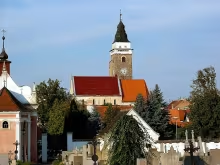
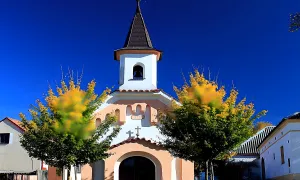
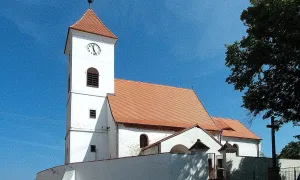
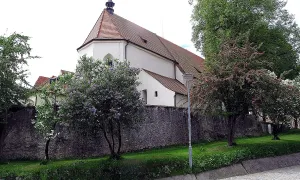
The Church of the Assumption of the Virgin Mary in Slavonice is an outstanding example of late Gothic architecture located at the historical center between Peace Square and Upper Square. Built on a former cemetery surrounded by townhouses, it features significant architectural elements from its era. Its history spans centuries, reflecting religious and artistic developments through various renovations.
Constructed during a period of cultural and religious transformation in Bohemia, this church emerged alongside political changes influenced by the Holy Roman Empire. This era also saw increased urban development across Central Europe. Construction began in the second half of the 14th century, with the presbytery completed before 1383. By the end of that century, a three-nave structure with vaulted side aisles had developed. In the latter half of the 15th century, the main nave was vaulted between these aisles. The church tower, started in the 14th century, was finished in 1549, funded by the guild of tanners.
Architecturally, the Church of the Assumption showcases its time with late Gothic style and baroque renovations. Under parish priest Georg Johann Kieleber in the early 18th century, significant changes occurred: new side chapels dedicated to Saint Anthony and the Virgin Mary were added between 1708 and 1711. Baroque interior modifications included new sculptures of apostles, organ installations, a pulpit, and seating. The original main altar was replaced by an elaborately gilded baroque altar featuring a painting by Johann Leopold Deisinger.
Ownership and administration have changed over time. Initially under the city’s care from its 14th-century construction, it came under Jesuit patronage from Jindřichův Hradec starting in 1622. The city maintained the church's four bells housed in the parish tower and funded a renovation in 1631.
Several key events have marked the history of this monument. In 1750, a significant fire destroyed part of the original tower, leading to its replacement with a baroque Italian-style spire and roof truss. The early 20th century saw another wave of renovations from 1900 to 1916, which included commissioning new bells from Viennese bell founder Georg Gößner in 1902 and installing a new set of altars and artworks.
Today, the Church of the Assumption remains accessible for visitors, offering insights into its rich history and architectural evolution. Its blend of Gothic and baroque elements makes it a compelling destination for those interested in historical architecture and religious heritage. The church stands as a testament to Slavonice's cultural legacy, inviting exploration and appreciation from all who visit.
Historical milestones
- 1383
- Completion of the presbytery before this year.
- 1549
- Completion of the church tower funded by the guild of tanners.
- 1631
- The city renovated the parish church.
Architectural development
Originally constructed in the late Gothic style during the second half of the 14th century, the Church of the Assumption underwent several architectural phases. The presbytery was completed before 1383, and a three-nave structure with vaulted side aisles emerged by the end of the 14th century. In the latter half of the 15th century, the main nave was vaulted between the side aisles. Significant baroque renovations occurred in the early 18th century under parish priest Georg Johann Kieleber.
Historical events
- 1383
- Completion of the presbytery before this year.
- 1549
- Completion of the church tower funded by the guild of tanners.
- 1631
- The city renovated the parish church.
Points of interest
- The Church of the Assumption's construction began on a site that was once a cemetery, which is unusual for such an important religious structure and reflects medieval practices where churches were often built over burial grounds.
- A notable feature of the church’s history is its bell tower, which underwent significant changes after a fire in 1750. The original Gothic spire was replaced with a baroque Italian-style one, showcasing how architectural styles can evolve even within a single structure due to unforeseen events like fires.
Guide
Show guide text
Welcome to the Church of the Assumption of the Virgin Mary in Slavonice—a stunning embodiment of late Gothic architecture nestled between Peace Square and Upper Square at the heart of this historic town. As you stand here, take a moment to absorb your surroundings: the church's elegant spire reaching skyward, its façade echoing centuries of history and devotion.
The story of this remarkable structure began on what was once an old cemetery, a site surrounded by charming townhouses—a unique foundation for such an important religious edifice. This practice reflects medieval customs where churches were often built over burial grounds. The construction of the church's presbytery was completed before 1383, marking the beginning of its long-standing presence in Slavonice.
As you gaze upon the church tower, imagine its completion in 1549—a project funded by the guild of tanners. This towering feature not only adds to the skyline but also tells a story of community and craftsmanship from centuries past. The bell tower is a testament to the dedication and resources invested by local artisans and tradespeople.
In 1631, the city undertook significant renovations of this parish church, ensuring its continued role as a spiritual and communal hub for generations. While the architects remain unknown, their work has stood the test of time, inviting admiration and reflection from all who visit.
The Jesuits from Jindřichův Hradec are among the historical figures associated with this site, adding another layer to its rich tapestry of stories and influences. Their presence here speaks to the church's role not just as a place of worship but also as a center for education and spiritual guidance during tumultuous times.
As you explore further, take note of the subtle architectural details that define late Gothic style—notice how they blend with the townhouses surrounding the church, creating a harmonious historical landscape. The interplay between light and shadow on the façade adds depth to your experience, inviting contemplation.
One intriguing aspect of this site is its transformation from a cemetery to a place of worship—a fascinating transition that underscores the evolving relationship between life, death, and faith in medieval society. This narrative invites you to ponder how spaces can be repurposed through time, each layer adding richness to their story.
As we conclude our journey, I invite you to linger for a moment longer, soaking in the atmosphere of this historic site. There's so much more to explore within Slavonice itself, with its cobblestone streets and vibrant history waiting just beyond these walls. Thank you for joining me today; may your visit inspire further discovery and appreciation for the stories embedded in this remarkable place.
Tips for visitors
The Church of the Assumption of the Virgin Mary in Slavonice is best visited during late spring or early autumn when the weather is mild, and the crowds are fewer compared to summer. This timing allows for a more serene experience while exploring its intricate Gothic architecture. Additionally, these seasons offer pleasant lighting conditions ideal for photography, capturing the church's details without harsh shadows.
Parking in Slavonice can be limited due to its historical center location; however, there are designated parking areas nearby. Public transport is also an option, with buses connecting Slavonice to surrounding regions. It's advisable to check current routes and schedules through a transportation app or website for the most efficient travel plan.
When visiting the church, consider bringing comfortable walking shoes as you may want to explore both Peace Square and Upper Square in addition to the church itself. A camera is recommended to capture the architectural beauty of this Gothic masterpiece. Don't forget water and perhaps a light jacket, as weather can change quickly in this region.
Photography enthusiasts will find several spots around the church offering excellent views, especially during golden hour when the sunlight enhances the façade's details. The side entrances and rear view provide unique perspectives that differ from the main entrance shots. Be mindful of lighting conditions throughout the day to capture the best images.
For those interested in exploring nearby attractions within a 30-minute drive, consider visiting České Budějovice, known for its historic Old Town and castle. It's an ideal spot for families with children, offering various interactive experiences at the local museum and outdoor activities in surrounding parks.
Businesses nearby
Do you run a restaurant, accommodation, shop, museum, rental, wellness or other visitor service near this monument? Show yourself directly to the people heading to it — this is how they will see you in the app and on the web:
Accommodation nearby
Trips and activities nearby
Guided tours, tickets and activities nearby from GetYourGuide
Search tours and activities →Themed route
Tematická výletní trasa: Kostel Nanebevzetí Panny Marie (Slavonice)
1. Kostel Nanebevzetí Panny Marie *Typ:* Historický kostel *Proč stojí za návštěvu:* Tento barokní chrám, postavený v 18. století, je architektonickou perli Slavonic a nabízí návštěvníkům krásnou interiérovou dekoraci s bohatou historií. Jeho výzdoba a umělecké prvky přitahují cestovatele zájmu o duchovní i kulturní památky.
2. Náměstí u kostela *Typ:* Historické náměstí *Proč stojí za návštěvu:* Náměstí před kostelem je centrem místního života a nabízí pohled na historickou architekturu okolních budov. Je to ideální místo pro odpočinek a prohlédnutí se po celém náměstí, kde lze ocenit atmosféru starého města.
3. Staroměstská ulice *Typ:* Historická ulička *Proč stojí za návštěvu:* Tato ulička vede od kostela k dalším historickým budovám a je známá svou autentičností. Při procházce můžete objevit starobylé domy s bohatou architektonickou historií, které představují životní styl minulých generací.
4. Městská knihovna *Typ:* Kulturní instituce *Proč stojí za návštěvu:* Městská knihovna je nejen místo pro čtenáře, ale také hostuje výstavy a kulturní akce. Je to skvělý způsob, jak se dozvědět více o historii Slavonic a regionu, s možností prohlédnout si rukopisy a staré tisky.
5. Přístaviště řeky Lainsitz *Typ:* Místní rekreační místo *Proč stojí za návštěvu:* Toto přístaviště je ideálním místem pro relaxaci a pohled na řeku Lainsitz. Je to místo, kde si můžete užít klidné chvilky nebo se podívat na možnost návštěvy dalších lokalit vodní cestou.
Tato trasa nabízí kombinaci historických a kulturních zážitků, které umožňují hluboký pohled do minulosti Slavonic a jejich architektonického bohatství.
Seasonal recommendations
Spring
Visiting the Church of the Assumption of the Virgin Mary during spring offers a unique experience as nature begins to awaken around Slavonice. The surrounding landscape is adorned with blooming flowers and fresh greenery, enhancing the church's historic charm with vibrant colors. The gentle warmth of the season creates an inviting atmosphere for exploring the area's natural beauty. Visitors should be prepared for occasional rain showers, so carrying a light waterproof jacket or umbrella is advisable. Early mornings tend to be quieter, providing a serene environment to appreciate both the architecture and nature.
Summer
Summer at the Church of the Assumption of the Virgin Mary in Slavonice is characterized by long daylight hours that illuminate the church’s intricate details beautifully. The warm weather invites visitors to enjoy outdoor activities around the town, making it an ideal time for a leisurely exploration of the area's cultural and natural attractions. However, this season also attracts larger crowds, especially during peak tourist periods in July and August. To avoid long lines and ensure a more comfortable visit, arriving early in the morning is recommended. Light, breathable clothing is essential to stay cool under the summer sun.
Autumn
The autumn months bring a picturesque transformation to Slavonice and its historic church with lush foliage of reds, oranges, and yellows creating a stunning backdrop. The cooler temperatures make it an ideal time for walking tours around the town, enjoying local cuisine, or taking part in cultural activities that celebrate the season's harvest. While crowds are generally smaller compared to summer, planning ahead is still beneficial as some attractions may have reduced hours during this transitional period. Layered clothing is advisable to accommodate fluctuating temperatures throughout the day.
Winter
Winter offers a magical atmosphere at the Church of the Assumption of the Virgin Mary with its historic architecture beautifully contrasted against a snowy landscape. The shorter days and colder weather create a cozy ambiance, perfect for capturing unique photographs or enjoying a quiet moment in reflection. However, visitors should be aware that some facilities may have limited hours during this season due to inclement weather conditions. Dressing warmly is crucial, with thermal layers recommended alongside sturdy footwear for navigating potential snow. Visiting on weekdays can help avoid the occasional influx of tourists drawn by winter festivities or events.
Visualizations and artistic views

Vizualizace jsou generovány umělou inteligencí a slouží jako inspirace.


Tips from visitors
No tips yet. Be the first!
Log in and add your tip.
Reviews and comments