





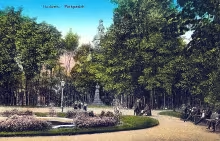
Sady is a historic urban park located in České Budějovice, Czech Republic. It holds cultural significance and offers recreational opportunities for both locals and visitors. Originally part of the city's baroque fortifications from the mid-17th century, it was transformed between 1874 and 1880 into the public space seen today. This park is a testament to urban development and serves as a cultural touchstone, reflecting broader historical changes in the region.
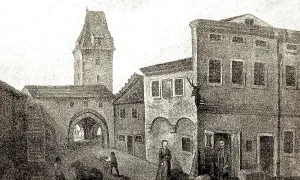
The origins of Sady are deeply rooted in its role within České Budějovice's baroque fortifications. These defenses were dismantled starting in 1825 to accommodate new urban growth, marking the beginning of the area's transformation into a public park. By the late 19th century, the decision was made to convert the remaining fortified space into a park, completed between 1874 and 1880. This period coincided with Czech lands being part of the Austro-Hungarian Empire, characterized by significant cultural and architectural developments across Europe.
Architecturally, Sady's development began with the demolition of its baroque fortifications in the early 19th century. The park layout was designed by Rudolf Vácha in the late 19th century, incorporating elements such as sculptures and fountains that reflect its historical past. Notably, a wooden fence once enclosed the park, which was locked at night for security. Over time, Sady underwent several reconstructions, including significant changes during World War II and further updates in the late 20th century.
Throughout its history, Sady has been home to various artistic installations that enhance its cultural value. In 1879, a monument by Vojtěch Lanna was installed, followed by the placement of a sandstone Diana sculpture near Krajinská street in 1881. These elements contribute to the park's historical and aesthetic appeal, offering visitors a glimpse into its rich past.
Sady has witnessed several interesting events and curiosities over the years. In 1917, a fee was introduced for civilians using benches designated for soldiers, reflecting societal changes during that era. Such anecdotes highlight the park's role as a social space throughout different historical periods.
Today, Sady remains an accessible and cherished part of České Budějovice. It continues to serve as a cultural and recreational hub, offering visitors a chance to explore its historical elements while enjoying the tranquility of a well-maintained urban park. Its blend of history, art, and nature makes it a worthwhile destination for anyone interested in experiencing the rich heritage of České Budějovice.
Sady stands as a testament to the city's evolving landscape and cultural heritage. It invites visitors to explore its historical elements and enjoy the serene environment it offers, making it an essential stop for those seeking to connect with the past while appreciating nature in an urban setting.
Historical milestones
- circa 1650
- The gardens were part of the Baroque fortifications of České Budějovice.
- 1825
- Begins with the dismantling of the Baroque fortifications for urban development.
- 1874-1880
- Transformed into a public park according to Rudolf Váchy's design.
- 1879
- Installation of a monument by Vojtěch Lanna in the Gardens.
- 1881
- Placement of a sandstone statue of Diana at Krajinská Street.
- 1917
Architectural development
The park's development began with the demolition of baroque fortifications in the early 19th century. Rudolf Vácha designed the park layout in the late 19th century, incorporating elements like a wooden fence and various sculptures. Over time, it underwent several reconstructions, including significant changes during World War II and further updates in the late 20th century.
Historical events
The baroque fortifications were demolished starting in 1825 to make way for new urban development.
In the late 19th century, the decision was made to convert the remaining fortified area into a park, completed between 1874 and 1880.
Points of interest
- The transformation of Sady from baroque fortifications to a public park began in 1825, reflecting the broader trend of urban expansion and modernization during that period. - In 1879, Vojtěch Lanna's monument was installed in Sady, adding an artistic dimension that commemorates significant cultural figures or events, though its specific dedication remains less known.
- During World War II, Sady underwent substantial reconstruction, which included changes to its landscape and installations, reflecting the impact of global conflicts on local spaces.
Guide
Show guide text
Welcome to the historic Sady park in České Budějovice, a remarkable transformation from its origins as part of the city's baroque fortifications. As you stand here, imagine yourself stepping back into time and witnessing the evolution of this space from a defensive stronghold to the lush public haven it is today.
Originally constructed around 1650, Sady was an integral component of České Budějovice’s fortified defenses during the Baroque period. These fortifications were emblematic of the era's architectural style, designed not only for defense but also as a statement of power and prestige. By 1825, however, urban development necessitated change, leading to the gradual dismantling of these formidable structures.
The transformation into a public park began in earnest between 1874 and 1880, under the visionary guidance of architect Rudolf Vácha. His designs reimagined this space for leisure and culture, reflecting broader trends of modernization sweeping across Europe during that period. As you stroll through Sady today, take a moment to appreciate how Vácha's vision has been realized in this serene environment.
Look around you and observe the park’s blend of historical elements with natural beauty. The remnants of its fortified past are subtly interwoven into the landscape, offering glimpses into its storied history. Notice the sculptures and fountains that add artistic flair to the surroundings. In 1879, a significant addition was made with Vojtěch Lanna’s monument, which stands as a testament to the cultural enrichment of this space.
While exploring Sady, you'll encounter various intriguing features that captivate both locals and visitors alike. One such curiosity is the introduction of a fee for using park benches in 1917—a unique historical quirk reflecting societal changes during that time. This detail not only adds character but also invites reflection on how public spaces have evolved.
As we conclude our journey through Sady, I encourage you to continue exploring this enchanting park at your own pace. Allow yourself to be immersed in its history and tranquility. Whether you're drawn to the artistic installations or simply wish to enjoy a peaceful walk among nature, there's something here for everyone. Thank you for joining me on this exploration of Sady—may it leave you with lasting impressions and inspire further discovery.
Farewell for now, and enjoy your time in České Budějovice!
Tips for visitors
The best time to visit the Sady park is during spring or early autumn when the weather is pleasant, and the park's natural beauty is at its peak. During these seasons, you can enjoy blooming flowers and lush greenery without the summer crowds or winter chill. Additionally, visiting in the morning provides softer light for photography and a more peaceful atmosphere before the afternoon rush.
Parking near Sady park can be found in various areas around České Budějovice, but it's advisable to check local parking facilities as availability may vary. For those preferring public transport, the city offers several bus lines that connect to key points within the city center, making it convenient to reach the park without a car. Always verify current routes and schedules in advance for a smooth journey.
When planning your visit to Sady park, consider bringing comfortable walking shoes as there are many paths to explore. A hat and sunscreen are recommended if you're visiting during sunny days, along with water to stay hydrated. For those interested in photography or bird watching, binoculars can enhance the experience by allowing a closer look at distant details.
Photography enthusiasts will find several spots within Sady park ideal for capturing its beauty. The central areas near the historic structures offer excellent opportunities for architectural shots, especially during golden hour when the light is warm and soft. For nature photography, explore the quieter corners of the park where flowers and trees are abundant.
Nearby attractions within a 30-minute drive include the České Budějovice Castle, which offers panoramic views of the city and an insight into its historical significance. Another nearby site is the Museum of West Bohemia, located in the former Minorite Monastery, showcasing regional history and art collections.
Businesses nearby
Do you run a restaurant, accommodation, shop, museum, rental, wellness or other visitor service near this monument? Show yourself directly to the people heading to it — this is how they will see you in the app and on the web:
Accommodation nearby
Trips and activities nearby
Guided tours, tickets and activities nearby from GetYourGuide
Search tours and activities →Themed route
Thematic Walking Tour: The Gardens of České Budějovice
1. Botanical Garden and Arboretum (Park) Begin your journey at the heart of České Budějovice's green spaces, the Botanical Garden and Arboretum. This serene park is a haven for plant enthusiasts and those seeking tranquility amidst nature. Explore its diverse collection of flora, beautifully arranged thematic gardens, and enjoy picturesque walking paths that offer peaceful strolls through lush landscapes.
2. City Park (Park) A short walk from the Botanical Garden leads you to City Park, a central green space in České Budějovice. Known for its expansive lawns and mature trees, this park is perfect for leisurely walks or picnics. It's an ideal spot to relax and enjoy outdoor activities while taking in the charming atmosphere of the city.
3. Šumava Park (Park) Continue your exploration by visiting Šumava Park, located near the Botanical Garden. This park offers a more intimate setting with its well-maintained gardens and scenic views. It's an excellent place to appreciate local plant species and enjoy a peaceful moment in nature.
4. Botanical Garden's Educational Trail (Park) Return to the Botanical Garden to delve deeper into its offerings by exploring the educational trail within the park. This feature provides informative insights about various plants, enhancing your understanding of botany while offering an engaging experience for visitors of all ages.
5. Garden Café (Café in Park) Conclude your tour at the Garden Café located within the Botanical Garden's premises. After a day immersed in nature and learning about plants, enjoy a refreshing break with a cup of coffee or tea amidst the garden's beauty. This spot is perfect for reflecting on your visit while enjoying the park's tranquil ambiance.
This thematic walking tour offers a delightful exploration of České Budějovice's parks, providing both relaxation and educational opportunities in one of the city's most cherished green spaces.
Seasonal recommendations
Spring: The gardens of České Budějovice come alive with vibrant colors and fragrances as spring awakens the landscape. This season is marked by blossoming flowers, including tulips and daffodils, which create a picturesque setting ideal for leisurely walks or picnics under the warming sun. As daylight hours increase, visitors can enjoy longer stays in the gardens without feeling rushed. It's advisable to wear layers as temperatures can vary throughout the day, with cooler mornings and warmer afternoons. Early spring visits might still see some residual puddles from winter rains, so comfortable shoes are recommended.
Summer: During the summer months, the České Budějovice gardens are a haven of lush greenery and vibrant blooms. The atmosphere is lively, often bustling with families and tourists taking advantage of the long days and pleasant weather. To avoid crowds, consider visiting early in the morning or later in the afternoon when the sun is less intense. Light, breathable clothing is recommended to stay comfortable during your visit. With extended opening hours, there's plenty of time to explore every nook and cranny of these beautiful gardens.
Autumn: Autumn transforms the České Budějovice gardens into a stunning tapestry of reds, oranges, and yellows as deciduous trees shed their leaves in a spectacular display. The cooler temperatures make for a comfortable stroll through the park, with fewer crowds compared to summer months. It's an excellent time for photography enthusiasts to capture the changing colors. Wearing layers is advisable due to fluctuating temperatures, and sturdy shoes are recommended if you plan on exploring any uneven paths.
Winter: In winter, the České Budějovice gardens offer a serene and tranquil atmosphere, often blanketed in snow during colder months. The landscape takes on a stark beauty with bare trees and frost-covered plants. While some areas might be less accessible due to weather conditions, the park still provides a peaceful retreat for those seeking quiet contemplation or a brisk walk. Visitors should dress warmly in layers and wear waterproof footwear. It's best to check opening times as they may vary during this season, and plan your visit accordingly to enjoy the unique winter charm of the gardens.
Visualizations and artistic views

Vizualizace jsou generovány umělou inteligencí a slouží jako inspirace.


Tips from visitors
No tips yet. Be the first!
Log in and add your tip.

Reviews and comments