





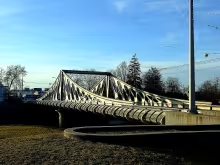
Dlouhý Most is a modern steel suspension bridge in České Budějovice, spanning the Vltava River. It connects the city center with Čtyři Dvory. Inaugurated on October 28, 1998, it features an innovative design from an architectural competition. The bridge supports heavy traffic, including a tram line.
The history of Dlouhý Most dates back to 1369 when it was first mentioned as a ford. Over the centuries, it underwent several transformations. In 1741, retreating soldiers burned the original wooden bridge. By 1880, an iron truss bridge replaced it. Between 1930 and 1932, the structure moved downstream for a new bridge accommodating tram traffic. The current steel suspension bridge was constructed in 1998.
Architecturally, Dlouhý Most is notable for its modern design with perforated steel walls as the suspension system. This innovative approach emerged from an architectural competition led by Romana Kouckého's office. It spans two 47-meter sections and includes a 10.5-meter-wide roadway with three lanes, flanked by suspended pedestrian walkways. Built in MOSTÁRNĚ in Vítkovicích, Ostrava, it stands 4.8 meters above the river.
Throughout its history, Dlouhý Most has seen various changes in ownership and administration, reflecting broader historical shifts. Its evolution from a simple ford to a modern suspension structure mirrors technological advancements and urban development in České Budějovice over several centuries.
Key events include its initial mention as a ford in 1369, the destruction of the wooden bridge by soldiers in 1741, and the inauguration of the current steel suspension bridge in 1998. These milestones underscore the bridge's resilience and adaptability through changing times.
Today, Dlouhý Most is integral to České Budějovice’s infrastructure, facilitating over 19,000 vehicles daily as of 2005. It also supports a tram line, highlighting its importance in public transportation. The bridge's unique design and historical significance make it noteworthy for visitors interested in engineering marvels and local history.
Dlouhý Most is not only an architectural innovation but also a symbol of the city’s dynamic evolution. Its ability to adapt over centuries while maintaining functionality highlights its enduring value. Visitors are invited to explore this remarkable structure, appreciating its blend of historical depth and modern design.
Historical milestones
- 1369
- First mention of Dlouhý most as a ford.
- 1741
- Original wooden bridge burned by retreating soldiers.
- 1998
- Inauguration of the current steel suspension bridge.
Architectural development
Dlouhý most has undergone several transformations since its first mention in 1369. Initially a ford, it became a wooden bridge replaced by an iron truss bridge in 1880. The 1930s saw the original structure moved and replaced with one accommodating tram traffic. The current steel suspension bridge was constructed between 1998 and 2001.
Historical events
1369: First mention of Dlouhý most as a ford.
1741: The original wooden bridge was burned by retreating soldiers.
1998: Inauguration of the current steel suspension bridge.
Points of interest
- The design of Dlouhý Most was selected through an architectural competition led by Romana Kouckého's office, showcasing a blend of innovation and functionality that is rare for bridges in the region.
- In 1930, the bridge underwent a significant transformation when it was moved downstream to make way for a new structure accommodating tram traffic, demonstrating early urban planning foresight in České Budějovice.
Guide
Show guide text
Welcome to the Dlouhý most in České Budějovice, a remarkable modern marvel that elegantly spans across the Vltava River. As you stand here, take a moment to appreciate this stunning steel suspension bridge that seamlessly connects the vibrant city center with its western district, Čtyři Dvory. With its sleek lines and graceful arches, it's easy to see why this structure is not only functional but also an iconic piece of contemporary architecture.
Let’s delve into the history that brought us here today. The origins of Dlouhý most trace back to 1369 when it first appeared as a simple ford crossing the river. Over centuries, its form and function evolved until a pivotal moment in 1741 when the original wooden bridge was destroyed by retreating soldiers. Fast forward to October 28, 1998, when the current steel suspension bridge was inaugurated, marking a new era of connectivity and modern design for České Budějovice.
The architecture of Dlouhý most is truly captivating. Designed through an architectural competition led by Romana Kouckého's office, it embodies innovation and functionality. As you look up at the bridge’s towering structure, notice how its sleek lines contrast with the natural curves of the river below. The design reflects a harmonious blend of strength and elegance, supporting not only vehicular traffic but also an integral tram line that hums along its path.
While there are no specific historical figures tied to this site, the story of Dlouhý most is interwoven with the city’s own evolution. It stands as a testament to České Budějovice's resilience and forward-thinking spirit.
One intriguing aspect of this bridge is its journey through time. In 1930, it underwent a significant transformation when it was moved downstream. This bold decision highlights the adaptability and strategic planning that have always been part of the city’s ethos.
As you continue to explore, take in the atmosphere surrounding Dlouhý most. Feel the gentle breeze from the river as you walk along its path, and let your imagination wander through the layers of history embedded within this structure.
Thank you for joining us on this journey across time and architecture at Dlouhý most. We invite you to linger a little longer, perhaps crossing over to discover more of České Budějovice’s hidden treasures. Until next time, safe travels!
Businesses nearby
Do you run a restaurant, accommodation, shop, museum, rental, wellness or other visitor service near this monument? Show yourself directly to the people heading to it — this is how they will see you in the app and on the web:
Accommodation nearby
Trips and activities nearby
Guided tours, tickets and activities nearby from GetYourGuide
Search tours and activities →Themed route
Tematická výletní trasa: Dlouhý most a okolí Českých Budějovic
1. Dlouhý most (most) - Typ: Historický most - Proč stojí za návštěvu: Dlouhý most je ikonickým prvkem města, známý svou historií a architekturou. Postaven v roce 1901, spojuje Staré Město s Novým Městem přes Vltavu. Je to nejen klíčová dopravní arterie, ale také krásný místní symbol a skvělý výhled na okolí.
2. Náměstí Svobody (náměstí) - Typ: Historické náměstí - Proč stojí za návštěvu: Náměstí Svobody je srdcem Starého Města, kde se nachází mnoho historických budov a památek. Je známé svým původním vzhledem z 16. století a nabízí návštěvníkům možnost prozkoumat architektonicky zajímavé stavby, jako je radnice s gotickou věží.
3. Kostel svatého Víta (kostel) - Typ: Historický kostel - Proč stojí za návštěvu: Tento barokní kostel, postavený na místě původní gotické kaple z 14. století, je jednou z nejstarších sakrálních budov v Českých Budějovicích. Jeho bohatá historie a architektura ho činí důležitým kulturním a náboženským centrem města.
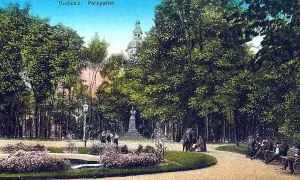
4. Náměstí Míru (náměstí) - Typ: Historické náměstí - Proč stojí za návštěvu: Náměstí Míru je známé svým klidem a krásou, zejména kvůli zahrádkovému parku s malými rybníky. Je to ideální místo pro odpočinek a relaxaci po prozkoumání městských památek, nabízející návštěvníkům příležitost si užít venkovního prostředí v srdci města.
Tato trasa kombinuje historické a kulturní prvky Českých Budějovic, nabízející návštěvníkům komplexní pohled na jejich bohatou minulost a současný život.
Seasonal recommendations
Spring: Visiting the Long Bridge in České Budějovice during spring offers a unique experience as nature begins to awaken, with blossoming trees and vibrant flowers lining the walkway. The mild weather provides an ideal setting for leisurely strolls, allowing visitors to appreciate the historic architecture against a backdrop of fresh greenery. As daylight hours increase, it's best to arrive in the late morning or early afternoon when the sun enhances the bridge’s beauty without causing discomfort from glare.
Summer: Summer is the peak season for exploring the Long Bridge, with long days and warm temperatures inviting crowds to enjoy the lively atmosphere. The area around the bridge often buzzes with activity as locals and tourists alike take advantage of the pleasant weather. To avoid large groups, consider visiting early in the morning or later in the evening when the sun is less intense. Comfortable walking shoes and light clothing are recommended, along with staying hydrated throughout your visit.
Autumn: Autumn brings a magical transformation to the Long Bridge as the foliage turns into a palette of reds, oranges, and yellows, creating picturesque views that attract photographers and nature lovers. The cooler temperatures make for comfortable exploration without the summer heat, though it's wise to bring a light jacket in case of chilly breezes. This is an excellent time to visit as the crowds diminish compared to summer, allowing for a more serene experience.
Winter: Winter at the Long Bridge offers a starkly beautiful scene with snow-covered surroundings and often festive lights that illuminate the historic structure, creating a charming atmosphere perfect for holiday visits. The shorter days mean planning your trip during daylight hours is essential, and wearing warm layers will ensure comfort against the cold. Although some attractions may have reduced opening times, the quieter environment provides an opportunity to appreciate the bridge’s architecture in solitude.
Visualizations and artistic views


Vizualizace jsou generovány umělou inteligencí a slouží jako inspirace.


Tips from visitors
No tips yet. Be the first!
Log in and add your tip.
Reviews and comments