






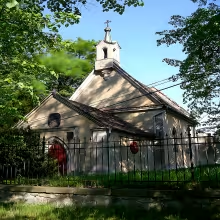
Kaple Nanebevzetí Panny Marie in Jemniště near Postupice is a baroque chapel of historical importance linked to the Sternberg family. Constructed in 1652 by Adam z Říčan, it stands as a testament to the architectural and cultural influences of its era. Although not independently protected as a cultural monument, it holds value due to its unique history and architectural features.
The chapel was built during a time when Bohemia was part of the Habsburg Monarchy, experiencing significant political and religious changes after the Thirty Years' War. This period saw a resurgence in baroque architecture across Europe, reflecting the Counter-Reformation's influence. The Říčan family initiated its construction as a dedication to the Virgin Mary, marking it as an important spiritual site from the start.
Architecturally, Kaple Nanebevzetí Panny Marie underwent significant changes over time. Originally built in the mid-17th century with baroque influences, it was later modified in 1860 during Windisch-Graetzové ownership to adopt a neo-Gothic style. The chapel features a crypt beneath it, serving as a burial site for members of the Sternberg family. Its structure includes a longitudinal layout with an oblong vestibule and sacristy on the west side, and a right-angled presbytery on the east. Notably, the façade is adorned with three heraldic emblems in metalwork: the Windisch-Graetz coat of arms at the center, flanked by the Sternberg and Thurn-Valsassina crests.
Ownership transitioned from the Říčan family to the Windisch-Graetzové, who were responsible for its neo-Gothic modifications. It then became part of the Sternberg family's estate, under whose care a crypt was constructed beneath the chapel. This crypt served as a final resting place for several members of the Sternberg lineage, including Zdeněk ze Sternbergu, who was buried there in 1899.
Throughout its history, Kaple Nanebevzetí Panny Marie has witnessed various key events and restorations. The neo-Gothic modifications in 1860 are prominently marked on the western side of the sanctuary. Another restoration took place in 1931, as indicated by an inscription on the west façade. These changes reflect the chapel's evolving role and significance over time.
Today, Kaple Nanebevzetí Panny Marie remains under the ownership of the Jemnišťská line of Sternbergů. Although it is not accessible to the public, its historical and architectural value makes it a noteworthy site for those interested in Bohemian heritage. The chapel's connection to prominent families and its unique blend of baroque and neo-Gothic elements offer insights into the region's cultural history.
Visitors drawn to the area can appreciate Kaple Nanebevzetí Panny Marie as a symbol of historical continuity and architectural evolution. Its presence near Jemnišťský Castle adds to the allure of exploring Central Bohemia's rich past. While access may be limited, its significance is undeniable, inviting those with an interest in history to reflect on its enduring legacy.
Historical milestones
- 1652
- The chapel was constructed by Adam z Říčan.
- 1860
- Neo-Gothic modifications were made to the chapel.
Architectural development
The chapel was originally constructed in the mid-17th century with baroque influences. In 1860, it underwent neo-Gothic renovations under the ownership of Windisch-Graetzové. The structure includes a crypt built beneath it for the Sternberg family burials.
Historical events
Built in 1652 by Adam z Říčan as a chapel dedicated to the Virgin Mary.
Neo-Gothic modifications were made in 1860 during the ownership of Windisch-Graetzové.
Owners
The chapel was originally built by the Říčan family in 1652. It underwent neo-Gothic modifications in 1860 under the ownership of Windisch-Graetzové. Subsequently, it became part of the Sternberg family's estate.
Points of interest
- The chapel's crypt holds the remains of several members of the Sternberg family, including Zdeněk ze Sternbergu, who was buried there in 1899. This burial site adds a layer of personal history to the chapel, linking it directly to the lives and legacies of these prominent figures.
Guide
Show guide text
Welcome to the enchanting Kaple Nanebevzetí Panny Marie in Jemniště near Postupice, a gem nestled within Středočeský kraj. As you stand here, enveloped by its serene atmosphere, take a moment to absorb the baroque elegance that has withstood the test of time since the mid-17th century.
This chapel's origins trace back to 1652 when it was constructed by Adam z Říčan, marking an era where faith and artistry intertwined beautifully. Initially serving as a spiritual haven for the Říčan family, its walls have witnessed centuries unfold. By 1860, under the ownership of the Windisch-Graetzové, the chapel embraced neo-Gothic modifications, adding layers to its architectural narrative.
As you gaze upon the chapel now, notice how these styles coalesce into a unique aesthetic that speaks volumes of its historical journey. While specific architects remain unnamed, their vision endures in every arch and alcove. The structure's simplicity belies the rich history it houses—a testament to both time and transformation.
Delve deeper into its story, and you'll find connections with prominent families like the Sternbergové. Beneath your feet lies a crypt that cradles the remains of several members from this distinguished lineage, including Zdeněk ze Sternbergu, who was laid to rest here in 1899. This burial site weaves personal histories into the chapel's fabric, offering a tangible link to the past.
Consider this: what stories might these stones tell if they could speak? Each visitor adds their own chapter to its continuing legacy, making it more than just an architectural marvel—it becomes a living narrative of faith and history.
As you prepare to explore further or perhaps wander through the surrounding landscapes, remember that Kaple Nanebevzetí Panny Marie is not merely a destination but a journey through time. Thank you for visiting, and may your curiosity continue to guide you on this path of discovery.
Tips for visitors
The best time to visit the Kaple Nanebevzetí Panny Marie is during late spring or early autumn when the weather is mild, making it ideal for exploring both the chapel and its surrounding natural landscapes. These seasons offer pleasant temperatures and vibrant scenery, enhancing your experience as you walk through the picturesque village of Jemniště.
Parking near the chapel can be limited due to its rural location, so visitors are encouraged to arrive early or consider using public transportation options that service the area. The chapel is accessible by car, but it's advisable to check for any local parking regulations or restrictions in advance. Public transport details should be verified through a reliable travel search tool.
When visiting the Kaple Nanebevzetí Panny Marie, it’s recommended to bring comfortable walking shoes as you may want to explore the surrounding natural landscapes and village paths. Additionally, consider bringing a camera for capturing the chapel's architectural beauty and the serene environment of Central Bohemia. Sun protection such as hats or sunscreen is advisable during sunny days.
For photography enthusiasts, the best spots around the chapel are at the crossroads where it stands, offering an excellent view with natural lighting in the early morning or late afternoon. The interplay of light through the chapel’s windows can create stunning visual effects, especially during these times when shadows and highlights enhance its baroque features.
Nearby attractions within a 30-minute drive include the Jemnišťský Castle, located southeast of the chapel. This castle offers additional historical insights and scenic views that complement your visit to the Kaple Nanebevzetí Panny Marie. Exploring both sites provides a richer understanding of the region's cultural heritage.
For families with children, visiting the chapel can be an educational experience. The natural surroundings provide opportunities for outdoor activities such as short hikes or nature walks, which are enjoyable and engaging for kids. Ensure to bring snacks and water to keep everyone comfortable during your visit.
Businesses nearby
Do you run a restaurant, accommodation, shop, museum, rental, wellness or other visitor service near this monument? Show yourself directly to the people heading to it — this is how they will see you in the app and on the web:
Nearby
Located southeast of the new Jemnišťský Castle, the chapel is situated at a crossroads on the edge of the village of Jemniště. The surrounding area includes natural landscapes typical of Central Bohemia.
Accommodation nearby
Themed route
Tematická výletní trasa: Kaple Nanebevzetí Panny Marie (Postupice)
1. Kaple Nanebevzetí Panny Marie (Jemniště) - *Typ:* Historická kaple - *Proč stojí za návštěvu:* Tato barokní kaple, postavená v 18. století, je známá svým architektonicky elegantním designem a historickou hodnotou. Je umístěna na křižovatce poblíž Jemnišťského zámku, což ji činí ideálním místem pro pochopení kulturního dědictví oblasti Postupice.
2. Jemnišťský Zámek - *Typ:* Historický zámek - *Proč stojí za návštěvu:* Nový Jemnišťský zámek, nacházející se jen pár minut chůze na severozápad od kaple, je vynikajícím příkladem barokní architektury. Jeho krásná zahrada a historické interiéry nabízejí návštěvníkům pohled do života šlechty 18. století.
3. Přírodní krajinářství Jemnišťského okolí - *Typ:* Přírodní oblast - *Proč stojí za návštěvu:* Okolní přírodní krajina nabízí krásné procházky skrz lesy a poloprášivé kopce, které jsou typické pro Středočeský kraj. Tato oblast je ideální pro relaxaci a pozorování divoké flóry a fauny v klidné prostředí.
4. Dřevěná kaple na cestě zpět do Postupic - *Typ:* Malá dřevěná kaple - *Proč stojí za návštěvu:* Na cestě zpět do obce Postupice si můžete prohlédnout malou dřevěnou kapli, která představuje tradiční české staviteľství. Její jednoduchý design a umístění v přírodě dodávají cestě autentičnost.
Tato trasa nabízí návštěvníkům kombinaci historických památek a přírodních krás, což je ideální pro ty, kteří hledají poznání o kulturním dědictví i relaxaci v klidné přírodě.
Seasonal recommendations
Spring: Visiting the Kaple Nanebevzetí Panny Marie during spring offers a unique experience as nature begins to awaken around this historic site. The surrounding landscape is adorned with blooming flowers and lush greenery, creating a vibrant atmosphere that complements the serene beauty of the chapel. As daylight hours lengthen, the soft morning light enhances the intricate details of the chapel's architecture. Visitors should be prepared for occasional showers typical of spring weather; thus, wearing layers and carrying an umbrella or raincoat is advisable. This season often sees moderate crowds, allowing for a more peaceful exploration compared to peak summer months.
Summer: The summer period at Kaple Nanevzetí Panny Marie provides an idyllic setting with long daylight hours that illuminate the chapel in warm, golden hues. The surrounding area becomes lively and green, offering picturesque views ideal for photography. This season is characterized by higher visitor numbers due to its popularity among tourists and locals alike. To avoid crowds, it's best to visit early in the morning or later in the afternoon. Comfortable walking shoes and light clothing are recommended, along with sun protection such as hats and sunscreen, especially during midday when the sun is at its peak.
Autumn: Autumn brings a distinct charm to Kaple Nanebevzetí Panny Marie, as the surrounding landscape transforms into a tapestry of reds, oranges, and yellows. The cooler temperatures make for pleasant strolls through the area, with crisp air enhancing the sensory experience. This season is ideal for those who appreciate the quieter side of travel, as visitor numbers tend to decrease compared to summer. Layered clothing is recommended due to fluctuating temperatures throughout the day, and a light jacket or sweater can provide comfort during cooler evenings.
Winter: The winter months offer a serene and almost mystical atmosphere at Kaple Nanebevzetí Panny Marie. Snow may blanket the surrounding landscape, adding a touch of enchantment and creating a stark contrast with the chapel's historic architecture. Shorter days mean that visits should be planned to make the most of daylight hours, as opening times might be reduced during this season. Visitors are advised to dress warmly in layers and wear waterproof footwear to navigate potentially icy paths. Despite fewer crowds, it’s wise to check ahead for any seasonal closures or changes in accessibility due to weather conditions.
Visualizations and artistic views


Vizualizace jsou generovány umělou inteligencí a slouží jako inspirace.


Tips from visitors
No tips yet. Be the first!
Log in and add your tip.


Reviews and comments