




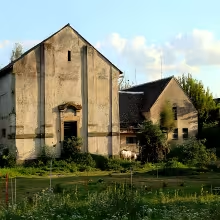
Dvorec Karlov stands as a testament to Baroque-era architecture and culture in early 18th-century Bohemia. Located on Byšičky's land, part of Lysá nad Labem, this historical site was originally established by Count František Antonín Špork as a hospital for the sick and elderly. The complex is significant not only for its architectural design but also for its role in social care during that period.
The origins of Dvorec Karlov date back to 1715 when Count František Antonín Špork commissioned its construction on his estate, guided by Czech architect František Maxmilián Kaňka's designs. The hospital was completed in 1717 and featured a chapel dedicated to the Exaltation of the Holy Cross, consecrated on September 30th of that year. This period marked a flourishing Baroque cultural movement under Habsburg rule across Europe, characterized by significant architectural developments and social reforms.
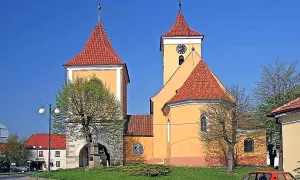
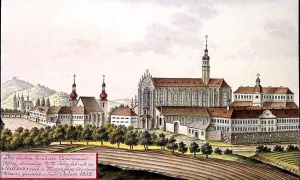
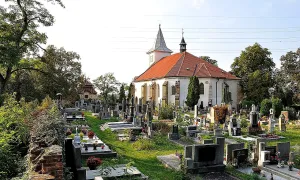
Architecturally, Dvorec Karlov is notable for its original square layout with four wings, three of which survive today. The chapel, constructed from quarry stone, underwent modifications following the Josephinian reforms in 1790. In 1782, under František Karel Rudolf Swéerts-Sporck's ownership, the estate transitioned into an agricultural farm, marking a shift in its function and significance.
Ownership of Dvorec Karlov changed hands several times over the centuries. After Count Špork's death in 1738, his daughter Anna Kateřina and her husband František Karel Rudolf Swéerts-Sporck took over the estate. In the late 19th century, it was owned by industrialist and politician Bedřich Leitenberger, who introduced a garden for growing asparagus and cherries in 1890. Following World War II, the site came under the management of a local state farm, which made alterations to its structures.
Key events at Dvorec Karlov include the hospital's completion in 1717 and the chapel's consecration later that year. The hospital was officially dissolved in 1803, although its residents were allowed to remain until their deaths. An interesting curiosity is the village of Byšičky, which Špork rebuilt as a unique Baroque circle, enhancing the estate's architectural landscape.
Today, Dvorec Karlov is situated west of Lysá nad Labem, with local roads leading to Byšičky and recreational areas around Lake Řehačka. The site remains an important cultural landmark, reflecting its historical significance and architectural heritage. Visitors can explore the remnants of this Baroque complex, gaining insight into a pivotal era in Bohemia's history.
Dvorec Karlov offers a unique glimpse into the past, inviting visitors to appreciate its historical and architectural value. Its preservation as part of Czech cultural heritage underscores its importance, making it a worthwhile destination for those interested in exploring the rich tapestry of European Baroque architecture and history.
Historical milestones
- 1715
- Count František Antonín Špork commissioned the construction of Dvorec Karlov.
- 1717
- Completion of the hospital and consecration of the chapel at Dvorec Karlov.
- 1738
- Count Špork's death; estate passed to Anna Kateřina and František Karel Rudolf Swéerts-Sporck.
- 1782
- Estate transitioned into an agricultural farm under František Karel Rudolf Swéerts-Sporck's ownership.
- 1790
- Chapel underwent modifications following the Josephinian r
Architectural development
The original baroque hospital was built with a square layout and four wings, three of which survive today. The chapel, constructed from quarry stone, underwent modifications post-Josephinian reforms in 1790. In 1782, the estate was transformed into an agricultural farm by its subsequent owners.
Historical events
Construction of the hospital completed in 1717.
Chapel consecrated on September 30, 1717.
Hospital officially dissolved in 1803.
Owners
František Antonín Špork (1715-1738)
Anna Kateřina and František Karel Rudolf Swéerts-Sporck (post-1738)
Bedřich Leitenberger (late 19th century)
Local state farm post-WWII
Points of interest
- Despite its initial purpose as a hospital for the sick and elderly, Dvorec Karlov's chapel was consecrated to the Exaltation of the Holy Cross on September 30, 1717, reflecting Count Špork's dedication to religious symbolism during the Baroque era.
- In an intriguing twist of history, after its dissolution as a hospital in 1803, the residents were allowed to remain at Dvorec Karlov until their deaths, highlighting the estate’s enduring role as a sanctuary for those it once served.
Guide
Show guide text
Welcome to the historic site of Dvorec Karlov, a remarkable testament to Baroque architecture and the vision of Count František Antonín Špork. As you stand here on this serene landscape in Byšičky, part of Lysá nad Labem, take a moment to soak in the grandeur that unfolds before your eyes. The complex exudes an aura of history, inviting you into its storied past.
The origins of Dvorec Karlov date back to the early 18th century when Count František Antonín Špork commissioned this site as a baroque hospital. Between 1715 and 1717, under the architectural guidance of František Maxmilián Kaňka, with Pietro Antonio Nittolo contributing to its design, the complex took shape. Its purpose was noble: to serve as a haven for the sick and elderly. The centerpiece, a chapel dedicated to the Exaltation of the Holy Cross, was consecrated in 1717, marking the completion of this compassionate endeavor.
As you explore, take note of the architectural details that define this site. The chapel stands out with its Baroque elegance—a testament to Count Špork's dedication not only to healthcare but also to religious symbolism during a vibrant era. While specific visual elements are less documented here, let your imagination wander through the intricate designs and thoughtful spaces that once housed healing and hope.
The history of Dvorec Karlov is interwoven with significant figures who shaped its destiny. Following Count Špork's death in 1738, Anna Kateřina and František Karel Rudolf Swéerts-Sporck inherited the estate. Under their stewardship, the site transitioned from a hospital to an agricultural farm by 1782. The chapel itself underwent modifications in 1790 due to Josephinian reforms, reflecting broader societal changes.
One intriguing aspect of Dvorec Karlov is its enduring legacy despite its closure as a hospital in 1803. Imagine the stories and lives that passed through this place—a sanctuary for many over the centuries. This site invites you not just to view but to connect with the layers of history embedded within its walls.
As we conclude our journey here, I encourage you to continue exploring Dvorec Karlov's surroundings. Each step offers a new perspective on its rich heritage and the visionaries who brought it to life. Thank you for joining me in this exploration, and may your curiosity lead you to discover even more about this fascinating piece of history.
Businesses nearby
Do you run a restaurant, accommodation, shop, museum, rental, wellness or other visitor service near this monument? Show yourself directly to the people heading to it — this is how they will see you in the app and on the web:
Nearby
Dvorec Karlov is situated west of Lysá nad Labem, with local roads leading to Byšičky and recreational areas around Lake Řehačka.
Accommodation nearby
Trips and activities nearby
Guided tours, tickets and activities nearby from GetYourGuide
Search tours and activities →Themed route
Thematic Walking Tour: Discovering the Charm of Dvorec Karlov and Its Surroundings
1. Dvorec Karlov - *Type:* Historical Estate - *Why Visit:* Begin your journey at Dvorec Karlov, a stunning example of classical architecture nestled in the serene countryside west of Lysá nad Labem. This estate offers visitors a glimpse into the past with its beautifully preserved structures and landscaped gardens, providing an ideal starting point for exploring the area's rich cultural heritage.
2. Recreational Areas Around Lake Řehačka - *Type:* Natural Recreational Area - *Why Visit:* A short walk from Dvorec Karlov leads you to the tranquil surroundings of Lake Řehačka. This area is perfect for a leisurely stroll or picnic, allowing visitors to enjoy the natural beauty and peaceful atmosphere. The lake's scenic views make it an excellent spot for relaxation and reflection.
3. Byšičky - *Type:* Village - *Why Visit:* Continue your exploration by heading towards the charming village of Byšičky. Known for its picturesque landscapes and traditional architecture, this small locality offers a quaint glimpse into rural life in the Středočeský region. It's an ideal place to experience local culture and perhaps enjoy some regional cuisine.
This tour provides a balanced mix of historical exploration and natural beauty, ensuring a memorable visit to the area surrounding Dvorec Karlov.
Seasonal recommendations
Spring: Visiting Karlův Dvůr during spring offers a unique opportunity to witness the estate's gardens coming back to life, with vibrant blooms and lush greenery creating an enchanting atmosphere. The soft morning light enhances the beauty of the historic architecture, making it ideal for photography enthusiasts. As nature awakens, visitors can enjoy peaceful walks through blooming flower beds and newly leafed trees, offering a serene backdrop that contrasts with the bustling summer months. To make the most of your visit, consider arriving early to avoid larger crowds as spring is often a popular time for tourists seeking to experience the estate's natural beauty.
Summer: Summer at Karlův Dvůr is marked by long days and warm weather, perfect for exploring both indoors and outdoors. The lush gardens are in full bloom, providing an idyllic setting for picnics or leisurely strolls. During this peak season, expect larger crowds, so it's advisable to arrive early in the day to fully enjoy the estate without feeling rushed. Wearing comfortable clothing and bringing a hat can help you stay cool under the summer sun. The vibrant atmosphere is further enhanced by occasional outdoor events that celebrate local culture and history, adding an extra layer of enjoyment to your visit.
Autumn: Autumn at Karlův Dvůr transforms the estate into a picturesque landscape with rich autumnal colors. The changing leaves create a stunning backdrop for exploring the historic grounds, while cooler temperatures make it comfortable to walk around without the summer heat. This season is ideal for those who appreciate photography and nature's beauty in transition. As the days grow shorter, arriving earlier can help you capture the best light for photos and avoid the chillier evenings. The tranquil atmosphere of autumn offers a quieter experience compared to the busier spring and summer months.
Winter: Winter at Karlův Dvůr provides a magical setting with snow-covered grounds that highlight the estate's architectural features in a unique way. While some outdoor areas may be less accessible due to weather conditions, the contrast between the white landscape and historic structures creates a serene and picturesque environment. Visitors should dress warmly, as temperatures can drop significantly, and check ahead for any changes in opening hours or available facilities. Despite the potential for fewer crowds during this season, it's advisable to plan your visit carefully to ensure you experience the full charm of Karlův Dvůr in its winter attire.
Visualizations and artistic views

Vizualizace jsou generovány umělou inteligencí a slouží jako inspirace.
Tips from visitors
No tips yet. Be the first!
Log in and add your tip.


Reviews and comments