





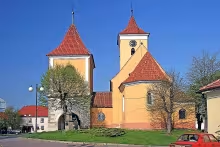
The Church of Saint Wenceslas in Nehvizdy exemplifies architectural evolution over centuries in Středočeský kraj. Initially built in the Romanesque style, it mirrors cultural and artistic influences from its era. Its significance is enhanced by modifications during Gothic, Renaissance, and Baroque periods, each adding unique elements to its current form.
The earliest documented mention of the church dates back to 1350, though it predates this reference. Romanesque features are evident in a column with a capital found in the crypt. In the 13th century, Gothic modifications introduced new architectural dimensions, characterized by pointed arches and intricate designs.
In 1546, a Renaissance bell tower was added for defensive purposes, featuring an upper-floor refuge space. This reflects the era's focus on fortification amid regional tensions. The tower received a Baroque extension in 1773, showcasing ornate styles prevalent in European architecture at that time.
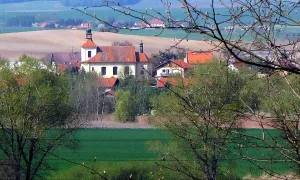
Architecturally, the church is noted for its single nave and five-sided chancel, topped by a polygonal tower with a spire. Inside, it features a flat-ceilinged nave and a vaulted presbytery supported by six consoles adorned with female or animal figures. These elements highlight the rich architectural tapestry woven through different historical periods.
Originally surrounded by a cemetery abolished in 1874, the church remains integral to Nehvizdy’s cultural heritage. Since 1958, the site, including the church, bell tower, remnants of its enclosing wall, and an 18th-century statue of Saint John Nepomuk, is recognized as a cultural monument.
Today, the Church of Saint Wenceslas continues as a place of worship with services on Sundays. Its historical significance and architectural diversity make it a compelling destination for visitors exploring history within its walls. The church offers insights into the past and stands as a symbol of cultural continuity in Nehvizdy. Visitors are invited to experience this remarkable monument firsthand, appreciating its enduring legacy and stories.
Historical milestones
- 1350
- First written mention of the church.
- 13th century
- Gothic modifications to the church.
- 1546
- Addition of a Renaissance bell tower.
- 1773
- Construction of a Baroque extension to the tower.
Architectural development
The Church of Saint Waceslas began as a Romanesque structure and later incorporated Gothic elements in the 13th century. A Renaissance bell tower, initially designed for defense, was added in 1546. In 1773, a Baroque extension to the tower was constructed. The church's interior includes valuable features such as a flat-ceilinged nave and a vaulted presbytery.
Historical events
The first written mention of the church dates back to 1350, although it is older than that.
In the 13th century, the church underwent Gothic modifications.
A Renaissance bell tower was added in 1546, initially intended for defense with a refuge space on the upper floor.
A Baroque extension to the tower was constructed in 1773.
Points of interest
- The Romanesque column capital found in the crypt is a rare surviving element from the church's earliest architectural phase, providing unique insights into early medieval construction techniques.
- In 1546, the Renaissance bell tower was not only an aesthetic addition but also served as a defensive structure with an upper-floor refuge space, reflecting regional security concerns during that period.
Guide
Show guide text
Welcome to the historic Church of Saint Wenceslas in Nehvizdy! As you stand before this remarkable structure, imagine stepping back through time into a tapestry woven with centuries of architectural evolution and cultural significance.
The origins of this church trace back to the Romanesque period, though its earliest mention dates to 1350. However, it's believed that the foundations were laid even earlier, as Gothic modifications from the 13th century suggest an existing structure ripe for enhancement. Over time, this sacred site has been touched by various architectural styles—Gothic elements added depth and complexity, while Renaissance influences in 1546 brought a new aesthetic dimension with the addition of a bell tower. The Baroque period further embellished the church in 1773, adding an extension to the tower that still graces its silhouette today.
As you gaze upon the church's exterior, notice the single nave leading into a five-sided chancel—a design choice that reflects both practicality and artistic vision. The polygonal tower, crowned by a spire, stands as a sentinel over Nehvizdy, inviting you to look up and appreciate its commanding presence against the sky.
One of the most intriguing aspects hidden within this church is the Romanesque column capital found in the crypt. This rare surviving element from the church's earliest architectural phase offers unique insights into early medieval construction techniques—details that are often lost to time but preserved here for us to marvel at.
While specific architects and historical figures associated with its creation remain unknown, the Church of Saint Wenceslas stands as a testament to the collective spirit and craftsmanship of those who built it. Each stone tells a story of dedication and devotion, echoing through the ages.
As you continue your exploration, take a moment to reflect on the layers of history embedded in this sacred place. Feel the weight of centuries past and the enduring legacy of faith and artistry that have shaped its form.
Thank you for joining us at this historic site. We invite you to delve deeper into its stories and mysteries as you wander through Nehvizdy, carrying with you the echoes of Saint Wenceslas's church. Safe travels on your journey of discovery!
Businesses nearby
Do you run a restaurant, accommodation, shop, museum, rental, wellness or other visitor service near this monument? Show yourself directly to the people heading to it — this is how they will see you in the app and on the web:
Accommodation nearby
Trips and activities nearby
Guided tours, tickets and activities nearby from GetYourGuide
Search tours and activities →Themed route
Tematická výletní trasa: Nehvizdy a kostel svatého Václava
1. Kostel svatého Václava *Typ:* Kostel *Proč stojí za návštěvu:* Tento barokní kostel, postavený v 18. století, je architektonickou perli Nehvizd a sloužil jako duchovní centrum pro místní obyvatelstvo po staletí. Jeho krásná interiér s bohatou dekorací nabízí pohled na historii a umělecké hodnoty regionu.
2. Nehvizdy - Centrum obce *Typ:* Městské centrum *Proč stojí za návštěvu:* Procházka po ulicích Nehvizd nabídne pohled na klasicistní a barokní domy, které odrážejí bohatou historii obce. Centrum je ideálním místem pro relaxaci v malebném prostředí s možností navštívit tradiční český kavárnu nebo restauraci.
3. Nehvizdy - Místní park *Typ:* Park *Proč stojí za návštěvu:* Park v Nehvizdech poskytuje klidné a zelené prostory, ideální k odpočinku po prozkoumání kostela. Je to skvělý místní prostor pro rodinné pikniky nebo krátké procházky, nabízející příjemnou atmosféru a pohled na okolní krajinu.
4. Nehvizdy - Historické domy *Typ:* Architektonické památky *Proč stojí za návštěvu:* Několik historických domů v obci zachovává architektonickou podobu z minulých století. Tyto budovy jsou svědectvím místního dědictví a nabízejí zajímavý pohled na životní styl předchozích generací.
Tato trasa vás provede skrze historické i klidné prostory Nehvizd, kde se můžete dočkat jak kulturního bohatství, tak přírodní krásy.
Seasonal recommendations
Spring: The arrival of spring breathes new life into the Church of St. Wenceslas in Nehvizdy, with blooming flowers and lush greenery enhancing its historic charm. This season is perfect for capturing the church's architecture against a backdrop of vibrant nature, as gentle sunlight accentuates the intricate details of the building. Visitors should take advantage of the milder temperatures by wearing comfortable layers that can be adjusted throughout the day. Although crowds are still relatively manageable in spring, arriving early allows for an unhurried exploration and photography opportunities before larger groups arrive.
Summer: Summer is a bustling time at the Church of St. Wenceslas, with long daylight hours creating ideal conditions for sightseeing. The warm weather invites visitors to enjoy outdoor areas around the church while appreciating its historical significance. To avoid the peak tourist season crowds, it's advisable to visit early in the morning or later in the afternoon. Comfortable walking shoes and light clothing are recommended due to the heat, along with bringing water to stay hydrated during your exploration.
Autumn: Autumn transforms the Church of St. Wenceslas into a picturesque setting, as warm hues from falling leaves create a cozy atmosphere around the historic site. The cooler temperatures make it an inviting time for leisurely walks and photography sessions capturing the church amidst the changing foliage. Visitors should dress in layers to adjust to fluctuating weather conditions typical of this season. While crowds are less dense compared to summer, planning your visit on weekdays can further ensure a more tranquil experience.
Winter: The winter months offer a serene and magical atmosphere at the Church of St. Wenceslas, with snow potentially adding a touch of enchantment to its historic façade. Shorter days mean that visitors should plan their visits during daylight hours to fully appreciate the church's architecture. Due to potential cold weather, warm clothing is essential, including hats, gloves, and insulated layers. The quieter winter season allows for a more intimate experience with fewer crowds, making it an ideal time for reflection and appreciation of the site’s tranquility.
Visualizations and artistic views

Vizualizace jsou generovány umělou inteligencí a slouží jako inspirace.


Tips from visitors
No tips yet. Be the first!
Log in and add your tip.



Reviews and comments