





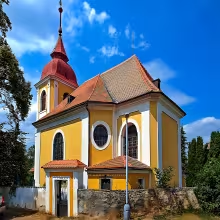
Kostel Povýšení svatého Kříže in Zdiby stands as a testament to the resilience and cultural heritage of this small village in the Středočeský region. This baroque church, located on an original village cemetery site, holds significant historical value for both locals and visitors.
The church's origins date back to 1384 when it was first mentioned as a parish church. The current structure largely results from reconstruction efforts after the Thirty Years' War severely damaged the original building. In 1734, architect Jan Baptista de Curto rebuilt the church in baroque style, marking a new chapter in its history during a period of cultural and architectural development across Bohemia, then part of the Habsburg Monarchy.
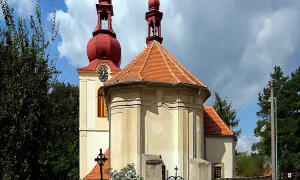
Architecturally, Kostel Povýšení svatého Kříže features a single-nave rectangular layout with a prominent bell tower adorned with pilasters and cornice capitals. The design reflects early 18th-century baroque style, characterized by grandeur and detailed ornamentation. Inside, visitors can admire the main altar from 1891, designed by Jan Vejrych, featuring artwork by Antonín Lhota from 1859 and sculptures by Josef Maudr. Frescoes by Vojtěch Bartoňk further enhance the church's artistic richness.
Throughout its history, Kostel Povýšení svatého Kříže has undergone several renovations and modifications. After the initial reconstruction in 1734, changes were made around 1800 and again in 1892, with local residents contributing to these efforts. These renovations have preserved the church's structural integrity and aesthetic appeal over the centuries.
The church is situated within an area that once served as a village cemetery, partially enclosed by a cemetery wall. This setting provides a serene backdrop for visitors, offering a glimpse into the rural landscape of the Středočeský region. The surrounding environment complements the historical significance of the site, enhancing its appeal to those interested in architecture and history.
Today, Kostel Povýšení svatého Kříže remains an active place of worship and a cherished cultural monument. It is part of the IV. pražského vikariátu, with Mgr. Piotr Grzegorz Przechocki serving as its administrator since January 1, 2006. The church's accessibility and well-preserved state make it an attractive destination for visitors seeking to explore Czech history and baroque architecture.
Kostel Povýšení svatého Kříže is more than just a historical monument; it is a living testament to the cultural and architectural evolution of Zdiby. Its rich history, combined with its artistic and architectural significance, makes it a must-visit site for anyone interested in exploring the heritage of the Czech Republic. Visitors are invited to experience this remarkable church and appreciate its enduring legacy within the heart of the Středočeský region.
Historical milestones
- 1384
- First documented mention as a parish church.
- 1734
- Reconstruction of the church by Jan Baptista de Curto.
Architectural development
The original church, first mentioned in 1384, was heavily damaged during the Thirty Years' War. It was rebuilt in 1734 by Jan Baptista de Curto in a baroque style. Further modifications occurred around 1800 and again in 1892, with local residents contributing to the renovations.
Historical events
First mentioned in documents as a parish church in 1384.
Severely damaged during the Thirty Years' War.
Rebuilt in 1734 with subsequent renovations around 1800 and in 1892.
Points of interest
- The church's baroque reconstruction by Jan Baptista de Curto in 1734 was part of a broader cultural movement across Bohemia during the Habsburg Monarchy, reflecting a period where architectural styles were evolving significantly.
- Despite its serene rural setting, Kostel Povýšení svatého Kříže has been an active place of worship for centuries, with Mgr. Piotr Grzegorz Przechocki serving as its administrator since 2006, highlighting the church's ongoing role in community life.
Guide
Show guide text
Welcome to the historic site of Kostel Povýšení svatého Kříže in Zdiby. As you stand here, imagine yourself stepping into a serene rural landscape where history and architecture converge beautifully. This baroque masterpiece, designed by Jan Baptista de Curto, was constructed in 1734 on the grounds of an original village cemetery—a testament to resilience following significant damage during the Thirty Years' War.
The church's origins trace back to 1384 when it was first documented as a parish church. Over centuries, this sacred site has witnessed transformations that reflect broader historical and cultural shifts within Bohemia. The baroque reconstruction by Jan Baptista de Curto in 1734 marked an era of architectural evolution during the Habsburg Monarchy—a period rich with artistic and structural innovation.
As you take in the sight before you, notice the single-nave rectangular layout of the church, a design choice that speaks to both functionality and aesthetic simplicity. The bell tower stands prominently, adorned with pilasters and cornice capitals, drawing your gaze upwards as if inviting you to explore its stories etched in stone.
Inside, the main altar captures attention, embodying the spiritual core of this place of worship. While specific historical figures associated with Kostel Povýšení svatého Kříže remain unnamed, the architectural narrative itself tells a tale of cultural and religious significance that has resonated through time.
One intriguing aspect of this church is its connection to the broader baroque movement across Bohemia during the Habsburg Monarchy. This period was marked by an evolution in architectural styles, reflecting not just aesthetic preferences but also societal changes and influences from across Europe.
As we conclude our visit here at Kostel Povýšení svatého Kříže, I invite you to take a moment to absorb the atmosphere around you—the way history is palpable in the air and how each stone seems to whisper stories of resilience and beauty. Whether you're drawn by architecture, history, or spirituality, there's always more to discover.
Thank you for joining me on this journey through time and space at Kostel Povýšení svatého Kříže. May your exploration continue with curiosity and wonder as you delve deeper into the rich tapestry of Středočeský kraj and beyond. Safe travels, and until next time!
Tips for visitors
The best time to visit Kostel Povýšení svatého Kříže in Zdiby is during the late spring or early autumn months, when the weather is mild and pleasant for exploring outdoor sites. These seasons offer beautiful natural lighting that enhances the baroque architecture of the church and its surrounding cemetery area. Additionally, visiting outside of peak tourist season ensures a more tranquil experience, allowing you to appreciate the historical ambiance without large crowds.
Parking and transportation options are convenient for visitors to Kostel Povýšení svatého Kříže. The church is accessible by both car and public transport. If driving, there are parking facilities nearby where you can leave your vehicle. For those preferring public transit, the area is well-served, though it's advisable to check current routes and schedules through a transportation search tool prior to your visit to ensure smooth travel planning.
When visiting Kostel Povýšení svatého Kříže, consider bringing comfortable walking shoes as you may wish to explore the surrounding cemetery area. A camera is recommended to capture the stunning baroque architecture and serene landscape of the church's setting. Additionally, carrying a light jacket or sweater can be useful, especially if visiting during cooler months or in the evening when temperatures might drop.
Photography enthusiasts will find several spots around Kostel Povýšení svatého Kříže ideal for capturing its architectural beauty. The best lighting conditions are typically found early in the morning or late afternoon when the sun casts a soft glow on the church's façade and interior details. Additionally, photographing from outside the cemetery wall can provide unique perspectives of the church within its historic setting.
For families with children visiting Kostel Povýšení svatého Kříže, there are engaging activities to enjoy in the area. The surrounding landscape offers a peaceful environment for a leisurely walk or picnic, allowing kids to explore and play safely. Additionally, the church's history can be an educational experience for older children interested in architecture or local heritage.
In terms of nearby attractions within 30 minutes, visitors can explore other historical sites and natural landscapes characteristic of the Středočeský region. These include traditional rural settings that offer a glimpse into the area’s cultural and architectural history, providing a broader context to your visit at Kostel Povýšení svatého Kříže.
Businesses nearby
Nearby
The church is situated within the area of an original village cemetery, partially enclosed by a cemetery wall. The surrounding landscape includes typical rural features of the Středočeský region.
Accommodation nearby
Trips and activities nearby
Guided tours, tickets and activities nearby from GetYourGuide
Search tours and activities →Themed route
Thematic Walking Tour: Kostel Povýšení svatého Kříže (Zdiby)
1. Kostel Povýšení svatého Kříže - *Type:* Historic Church - *Why Visit:* This stunning church, nestled within the original village cemetery of Zdiby, is a testament to the region's rich architectural heritage. Its serene setting and historical significance make it an ideal starting point for exploring local history and culture.
2. Original Village Cemetery - *Type:* Historic Site - *Why Visit:* Surrounding the church is the original village cemetery, partially enclosed by a historic wall. Walking through this area offers insight into traditional burial practices and provides a peaceful atmosphere to reflect on the community's past.
3. Cemetery Wall - *Type:* Architectural Feature - *Why Visit:* The cemetery wall encircling parts of the church grounds is an architectural highlight, showcasing local craftsmanship from bygone eras. Its presence adds historical depth and context to your exploration of Zdiby's heritage.
4. Rural Landscape - *Type:* Natural Setting - *Why Visit:* Beyond the cemetery, the surrounding rural landscape offers a glimpse into typical Středočeský region features. The rolling fields and traditional countryside provide a picturesque backdrop that complements the historical sites within Zdiby.
5. Church Nádvoří (Courtyard) - *Type:* Historic Courtyard - *Why Visit:* The church courtyard is an integral part of the site, offering space for contemplation and appreciation of the area's tranquility. It serves as a perfect spot to conclude your visit, reflecting on the beauty and history you've encountered.
This tour provides a comprehensive exploration of Kostel Povýšení svatého Kříže and its immediate surroundings, emphasizing historical and cultural significance while immersing visitors in the serene rural charm of Zdiby.
Seasonal recommendations
Spring: Visiting the Church of the Exaltation of the Holy Cross in Zdiby during spring offers a unique experience as nature awakens around this historic site. The surrounding landscape is adorned with blooming flowers and fresh greenery, creating a picturesque setting that enhances the church's architectural beauty. The soft morning light gently illuminates the stone façade, casting long shadows and adding to the serene atmosphere. It’s an ideal time for photography enthusiasts who wish to capture the church against the backdrop of vibrant spring colors. Visitors should consider wearing comfortable walking shoes as they explore nearby trails or paths that may be damp from recent rains. Although it's a pleasant season for outdoor activities, it is advisable to check weather forecasts and dress in layers to accommodate fluctuating temperatures.
Summer: The summer months bring a lively atmosphere to the Church of the Exaltation of the Holy Cross, as the area becomes a popular destination due to its favorable weather conditions. Long daylight hours allow visitors ample time to explore both the church's interior and its surroundings. Summer is perfect for those who enjoy outdoor activities; the nearby fields and forests provide opportunities for picnics or leisurely walks. However, it’s wise to arrive early in the day to avoid larger crowds that tend to gather during peak tourist season. Light clothing and sun protection are recommended due to the warm temperatures, and visitors should stay hydrated as they explore.
Autumn: Autumn is a magical time to visit the Church of the Exaltation of the Holy Cross, with its surrounding landscape transformed into a tapestry of rich reds, oranges, and yellows. The changing leaves create a stunning contrast against the church's historic architecture, making it an ideal season for photography. Cooler temperatures during this period allow visitors to comfortably explore without the summer heat, though a light jacket might be necessary as evenings can become chilly. This is also a quieter time compared to the busy summer months, offering a more tranquil experience. Visitors should take advantage of the pleasant weather and fewer crowds by taking their time to appreciate both the church's interior details and its autumnal surroundings.
Winter: Winter offers a unique charm when visiting the Church of the Exaltation of the Holy Cross in Zdiby. The snow-covered landscape adds a mystical quality, with the church standing as a serene focal point amidst the white scenery. The shorter days mean that visitors should plan their visit to make the most of daylight hours, and it's advisable to dress warmly in layers to combat the cold temperatures. While some paths may be less accessible due to snow or ice, those who are prepared can enjoy peaceful walks through the winter wonderland. Inside the church, the atmosphere is cozy and inviting, providing a warm refuge from the chilly outdoors. Visitors should check opening hours as they might vary during this season, ensuring a smooth visit.
Visualizations and artistic views

Vizualizace jsou generovány umělou inteligencí a slouží jako inspirace.


Atmosphere of the place
Atmospheric visualization of the setting and era
Tips from visitors
No tips yet. Be the first!
Log in and add your tip.
Reviews and comments