





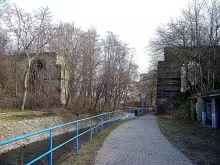
The Torzo železničního mostu přes Rokytku, or remains of the railway viaduct over Rokytka near Kolčavka, stands as a historical monument in Prague 9, within the district of Libeň. Constructed in 1870 and inaugurated on October 26, 1872, this structure was part of the Austrian North Western Railway's Těšnov - Vysočany line. Notable for its two massive masonry arch pillars that remain on either side of Rokytka's canalized bed, it served as a vital transportation link until passenger services ceased in 1972 and freight operations ended in 1984.
The viaduct was built during the late 19th century when Bohemia was part of the Austro-Hungarian Empire. This period saw significant industrial expansion and infrastructural development across Europe, reflecting an era's emphasis on enhancing transportation networks to support economic growth. The establishment of this railway viaduct was crucial in connecting key areas within Prague, facilitating both passenger and freight movement until its decommissioning.
Architecturally, the Torzo železničního mostu přes Rokytku featured robust masonry arch pillars designed to support a two-way railway line. These elements were characteristic of the engineering practices of the time, focusing on durability and functionality to accommodate increasing rail traffic. The structure's design was integral to its role in the regional transportation network until it fell out of use.
Throughout its operational history, the viaduct underwent significant changes, particularly with the cessation of passenger services in 1972 and freight operations in 1984. These events marked the end of an era for the viaduct as a functional piece of infrastructure. Despite these changes, the remnants of the structure continue to stand as a testament to its historical significance.
Today, the site is located near the former settlement and villa area known as Kolčavka within the geomorphological unit Pražská plošina. It is traversed by Prague's cycle path A26 and the international EuroVelo4 route, making it accessible for visitors interested in exploring historical sites. Urban planning studies are considering ways to make the site more accessible to the public, highlighting its potential as a point of interest for both locals and tourists.
Visiting the Torzo železničního mostu přes Rokytku offers a glimpse into Prague's industrial past and the evolution of its transportation infrastructure. The remnants of this once-active viaduct serve as a historical landmark, inviting reflection on the region's development over time. Its enduring presence makes it a worthwhile destination for those interested in history and architecture.
Historical milestones
- 1870
- Construction of the railway viaduct over Rokytka began.
- 1872
- Inauguration of the railway viaduct on October 26.
- 1972
- Cessation of passenger services on the viaduct.
- 1984
- End of freight operations on the viaduct.
Architectural development
Constructed as part of the Austrian North Western Railway's expansion in the late 19th century, the viaduct featured robust masonry arch pillars designed to support a two-way railway line. The structure was integral for connecting key areas within Prague until its decommissioning in the latter half of the 20th century.
Historical events
The railway viaduct was inaugurated for service on October 26, 1872.
Passenger traffic on the line ceased in 1972.
Freight operations ended in 1984.
Points of interest
- The Torzo železničního mostu přes Rokytku was part of a railway line that played a significant role in connecting Prague's industrial areas during the Austro-Hungarian Empire, reflecting broader European trends towards infrastructural expansion to support economic growth.
- Despite its decommissioning, the viaduct's two massive masonry arch pillars remain as iconic remnants, symbolizing the engineering prowess and architectural style of late 19th-century railway construction in Bohemia.
Guide
Show guide text
Welcome to the Torzo železničního mostu přes Rokytku, a remarkable remnant of Prague's industrial past nestled in Libeň (Praha 9). As you stand here, take a moment to absorb the sight before you—a testament to both time and engineering. The once robust railway viaduct now stands as an evocative ruin, its skeletal form reaching out over the Rokytka River. Imagine the stories these stones could tell if they had voices.
This historical structure was part of the Těšnov - Vysočany line, a vital artery during the Austro-Hungarian Empire, constructed in 1870 and inaugurated for service by October 26, 1872. It played an essential role in connecting Prague's industrial zones, mirroring broader European trends towards infrastructural expansion to support burgeoning economic growth.
As you look around, notice how nature has begun to reclaim this space. The viaduct’s arches, once bustling with the rhythm of trains and the hum of commerce, now stand silent against a backdrop of encroaching greenery. The juxtaposition of enduring stone and creeping vines creates an atmosphere both haunting and serene.
While the architects who designed this structure remain unknown, their work has left an indelible mark on the landscape. This viaduct was part of the Austrian North Western Railway, linking Praha-Těšnov to Praha-Vysočany—a line that once facilitated the movement of people and goods across the region.
A significant chapter in its history unfolded when passenger services ceased in 1972, followed by the end of freight operations in 1984. These events marked the beginning of a new era for this structure, transitioning from an active participant in daily life to a silent witness of time's passage.
One intriguing aspect of this site is how it reflects broader historical shifts—from its initial role in supporting industrial growth to its current status as a poignant reminder of change and continuity. As you explore further, consider the stories of those who once traversed these tracks—workers heading to factories or families embarking on journeys across Prague.
As we conclude our visit here at Torzo železničního mostu přes Rokytka, I invite you to reflect on its history and what it represents in the tapestry of Prague's urban landscape. Feel free to linger a while longer, soaking in the atmosphere or perhaps imagining the echoes of trains long gone.
Thank you for joining me today. May your journey through history continue to inspire curiosity and wonder as you explore more of this magnificent city.
Businesses nearby
Nearby
Located near the former settlement and villa area known as Kolčavka within the geomorphological unit Pražská plošina, the site is now traversed by Prague's cycle path A26 and the international EuroVelo4 route. Urban planning studies are considering ways to make the site more accessible to the public.
Accommodation nearby
Trips and activities nearby
Guided tours, tickets and activities nearby from GetYourGuide
Search tours and activities →Themed route
Thematic Walking Tour: Discovering the Ruins of Rokytka Railway Bridge and its Environs
1. Torzo železničního mostu přes Rokytku (Zřícenina) *Type:* Historical Ruin *Why Visit:* Begin your journey at this striking relic from the past, a testament to early 20th-century engineering and history. The partially collapsed railway bridge offers an evocative glimpse into Prague's industrial heritage and serves as a poignant reminder of time's passage.
2. Cesta A26 (Prague Cycle Path) *Type:* Recreational Route *Why Visit:* Follow the cycle path that winds through this historic site, offering scenic views and a peaceful walk along the Rokytka stream. This path not only connects you to nature but also provides an accessible route for cyclists and pedestrians alike, linking various parts of Prague.
3. Kolčavka Area *Type:* Historical Settlement/Villa Area *Why Visit:* Explore the remnants of what was once a vibrant villa area known as Kolčavka. This site offers insights into the residential patterns and architectural styles that characterized early 20th-century suburban development in Prague, providing a unique cultural context to your visit.
4. EuroVelo4 Route *Type:* International Cycling Route *Why Visit:* As part of this extensive European cycling route, the EuroVelo4 offers an opportunity to experience the integration of local history with international connectivity. It highlights how historical sites can be revitalized and made accessible for modern recreational use.
This thematic tour not only showcases the architectural and historical significance of the Torzo železničního mostu přes Rokytku but also emphasizes the importance of preserving and integrating such sites into contemporary urban landscapes.
Seasonal recommendations
Spring: The spring season at the Rokytka Railway Bridge Ruin offers a unique blend of renewal and history, as nature begins to reclaim its space around the structure. Visitors can enjoy the soft light filtering through budding trees, casting gentle shadows over the ancient stones. This time is characterized by vibrant colors from emerging wildflowers and the soothing sound of birdsong, creating an atmospheric setting perfect for photography or quiet reflection. With moderate visitor numbers, it's a great opportunity to explore without crowds. Practical advice includes wearing comfortable walking shoes and bringing a light jacket, as mornings can still be cool.
Summer: Summer at the Rokytka Railway Bridge Ruin is marked by long daylight hours and lush greenery, making it ideal for leisurely strolls or picnics in the surrounding area. The warm weather brings out more visitors, especially during weekends, so arriving early can help avoid the crowds. The bridge itself becomes a picturesque backdrop to summer activities, with its historical presence enhanced by the vibrant life around it. It's recommended to wear sun protection and stay hydrated, as temperatures can rise significantly.
Autumn: Autumn transforms the Rokytka Railway Bridge Ruin into a stunning display of warm colors, with leaves turning shades of orange, red, and gold. The cooler weather creates a serene atmosphere, perfect for appreciating the historical ambiance without the summer crowds. This season is particularly enchanting during golden hour when the sunlight casts a warm glow over the ruins. Visitors should dress in layers to accommodate fluctuating temperatures and consider bringing a camera to capture the breathtaking scenery.
Winter: Winter at the Rokytka Railway Bridge Ruin offers a stark yet beautiful contrast, as snow blankets the area, adding an ethereal quality to the ancient stones. The atmosphere is quiet, with fewer visitors taking advantage of the peaceful setting for contemplation or photography in the soft winter light. However, it's important to be prepared for cold temperatures and potential icy conditions by wearing warm clothing and sturdy footwear. Opening hours may be shorter during this time, so checking ahead is advisable.
Visualizations and artistic views

Vizualizace jsou generovány umělou inteligencí a slouží jako inspirace.


Atmosphere of the place
Atmospheric visualization of the setting and era
Tips from visitors
No tips yet. Be the first!
Log in and add your tip.
Reviews and comments