





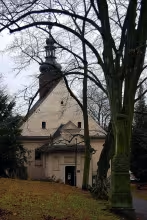
Park Pod Kotnovem is a significant cultural site in Tábor, Czech Republic. Established as a municipal cemetery near the Church of St. James and Philip in the 14th century, it served as the main burial ground until the early 20th century. Today, this park reflects its historical significance and modern urban development, offering visitors insight into Tábor's rich past while providing a serene public space.
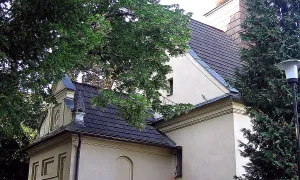
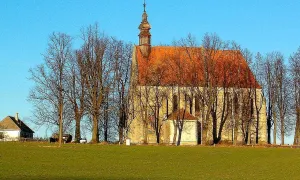
The origins of Park Pod Kotnovem date back to the 14th century when the first cemetery was established near the Church of St. James and Philip under the Holy Roman Empire. The church served as a burial chapel until it was destroyed during the Hussite Wars, then rebuilt. After its destruction by Prussian forces in 1744, the chapel underwent Baroque reconstruction between 1746 and 1747. The cemetery remained Tábor's primary burial site until replaced by a new municipal cemetery with a crematorium in 1921.
The transformation into a park began after its closure as a cemetery in the mid-20th century. Between 1969 and 1973, renovations marked the transition from a burial ground to a public space. In 1973, Tábor acquired the land, initiating redevelopment that lasted until 1990. This preserved historical essence while adapting it for contemporary use.
Ownership and administration of Park Pod Kotnovem have changed over time. After its acquisition by the city in 1973, the church within the park was leased to the Old Catholic Church starting in 1997. These transitions reflect Tábor's evolving community needs and a commitment to preserving historical structures.
Several key figures are buried at this site, adding cultural significance. Among them is Josef Němec (1805–1879), an official and soldier known as the husband of famed Czech writer Božena Němcová. Other notable individuals include Václav Křížek (1833–1881), an educator, and Josef Vlastimil Kamarýt (1797–1833), a poet and clergyman.
Today, Park Pod Kotnovem stands as a testament to Tábor's historical evolution from medieval times through the Baroque period into modern urban life. Visitors can explore this well-maintained park while reflecting on its past roles as both a sacred burial site and a community gathering place. Its central location in Tábor makes it easily accessible, offering an enriching experience for those interested in history and culture.
Park Pod Kotnovem is more than just a green space; it connects the past to the present. It invites visitors to explore its historical layers while enjoying modern park tranquility. Whether drawn by its rich history or seeking a peaceful retreat, Park Pod Kotnovem offers something for everyone and is well worth a visit.
Historical milestones
- 14th century
- Establishment of the cemetery near the Church of Saints James and Philip
- 15th century
- The church destroyed during the Hussite Wars
- 1746
- Baroque reconstruction of the church after its destruction in 1744
- 1921
- Converted into a new municipal cemetery with crematorium
- 1969–1973
- Renovation for transformation into public space
- 1990
- Completion of the redevelopment of the park
Architectural development
The area evolved from a medieval cemetery to a Baroque church in the mid-18th century. After ceasing to function as a cemetery, it was renovated and redeveloped into a public park between 1973 and 1990.
Historical events
14th century: Establishment of the first cemetery near the Church of St. James and Philip.
1744-1746: The original chapel was destroyed by Prussian forces and later rebuilt in Baroque style.
1921: A new municipal cemetery with a crematorium replaced the old one as the main burial site.
1969-1973: The former cemetery underwent renovation before being transformed into a park.
Owners
The land transitioned from being a municipal cemetery to becoming part of the city-owned park in 1973. Since 1997, the church within the park has been leased to the Old Catholic Church.
Points of interest
- Despite its serene appearance today, Park Pod Kotnovem was once a site of conflict and transformation during the Hussite Wars, when the original Church of St. James and Philip was destroyed and later rebuilt.
- The park's history includes an intriguing architectural evolution; after being razed by Prussian forces in 1744, it underwent Baroque reconstruction between 1746 and 1747, showcasing a blend of medieval and baroque styles within its grounds.
Guide
Show guide text
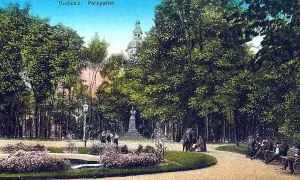
Welcome to the enchanting Park Pod Kotnovem, nestled in the heart of Tábor, Jihočeský kraj. As you stand here, surrounded by lush greenery and serene pathways, it's easy to overlook the rich tapestry of history beneath your feet. This park, with its peaceful ambiance, is a testament to centuries of transformation and resilience.
The origins of this site date back to the 14th century when it served as a municipal cemetery adjacent to the Church of St. James and Philip. The church itself, once a beacon of spirituality for the community, met a tragic fate during the Hussite Wars in the 15th century. It was destroyed but rose again from its ashes through baroque reconstruction in 1746 after being razed in 1744. This cycle of destruction and rebirth is a poignant reminder of Tábor's turbulent past.
As you wander through the park, take a moment to appreciate the architectural evolution that has shaped this space. While specific architects remain unknown, their vision transformed a cemetery into a vibrant public area from 1969 to 1973, culminating in its redevelopment completion in 1990. The absence of grandiose structures allows the natural beauty and historical essence of the park to take center stage.
The stories of notable figures like Josef Němec, Božena Němcová's husband, Václav Křížek, an educator, and Josef Vlastimil Kamarýt, a revered poet and clergyman, are interwoven with the park's history. Their lives and contributions echo through this space, adding layers of cultural significance.
One intriguing aspect of Park Pod Kotnovem is its transformation from a site of conflict during the Hussite Wars to a place of peace and reflection. The original Church of St. James and Philip, once razed in battle, now exists only in memory, leaving behind a legacy that has been carefully preserved and adapted over time.
As you explore further, let your curiosity guide you through this historical landscape. Discover hidden nooks, listen to the whispers of history carried by the wind, and immerse yourself in the stories etched into every path and tree. Park Pod Kotnovem is not just a park; it's a living museum that invites you to delve deeper into its past.
Thank you for joining us on this journey through time. May your visit inspire a newfound appreciation for the layers of history that surround you, and may you carry with you the stories of those who walked these grounds before. As you continue your exploration, remember that every step is a step back in time, offering insights into the resilience and spirit of Tábor. Farewell, until we meet again on another historical adventure.
Tips for visitors
The best time to visit Park Pod Kotnovem is during the spring or early autumn months, when the weather is mild and pleasant for walking through its historical grounds. During these times, you can enjoy the blooming flowers and lush greenery that enhance the park's natural beauty. Additionally, visiting in the morning can provide softer light for photography and a quieter atmosphere before the crowds arrive.
Parking near Park Pod Kotnovem is generally available within Tábor city center, but it's advisable to check local parking regulations or availability beforehand. Public transportation options are also convenient; you can reach the park using buses that serve Tábor. It’s recommended to verify current routes and schedules through a reliable transport app or website.
When visiting Park Pod Kotnovem, consider bringing comfortable walking shoes as there is plenty of ground to cover while exploring its historical sites. A camera is essential for capturing the picturesque views, especially around the Church of St. James and Philip. Additionally, carrying a light jacket can be helpful since temperatures can vary throughout the day.
For photography enthusiasts, some of the best spots in Park Pod Kotnovem include areas near the Church of St. James and Philip where you can capture its architectural details against the park's natural backdrop. Early morning or late afternoon is ideal for softer lighting conditions that enhance the park’s features. The surrounding landscapes also offer excellent opportunities for landscape photography.
Within a 30-minute drive from Park Pod Kotnovem, visitors can explore other cultural sites such as the Tábor Museum, which offers insights into local history and culture. Additionally, natural landscapes like the nearby Bohinjí Mountains provide scenic hiking trails and panoramic views that are perfect for nature lovers.
Businesses nearby
Do you run a restaurant, accommodation, shop, museum, rental, wellness or other visitor service near this monument? Show yourself directly to the people heading to it — this is how they will see you in the app and on the web:
Nearby
The park is centrally located in Tábor and features the Church of St. James and Philip, a significant historical structure. The surrounding area includes other cultural sites and natural landscapes within a 5 km radius.
Accommodation nearby
Themed route
Tematická výletní trasa: Park Pod Kotnovem a okolí
1. Park Pod Kotnovem *Typ:* Historický park *Proč stojí za návštěvu:* Centrálně umístěný v Táboře, tento park nabízí klidné prostory s historickou atmosférou. Je známý svou krásnou zahradní architekturou a působivým pohledem na město. Park je ideálním začátkem nebo koncem vašeho výletu, kde si můžete užít přírodní krásy a klidné okamžiky.
2. Kostel svatého Jakuba a Filipa *Typ:* Historická památka *Proč stojí za návštěvu:* Tento významný historický kostel je jedním z hlavních kulturních bodů v parku. Jeho architektura a bohaté historie přitahují mnoho návštěvníků, kteří chtějí prozkoumat duchovní i kulturní dědictví Tábora.
3. Historický centrum Tábora *Typ:* Kulturní a historické místo *Proč stojí za návštěvu:* Po prohlídce kostela se můžete ponořit do historie a kultury města, které je známé svými bohatými tradicemi. Procházka po ulicích Tábora vás přivede k dalším kulturním památkám a architektonickým perlemům.
4. Okolní zelené prostory *Typ:* Přírodní oblasti *Proč stojí za návštěvu:* V blízkosti parku najdete další příjemné zelené prostory, kde můžete pokračovat ve svém klidném výletu. Tyto oblasti nabízejí možnost relaxace a užívání si přírodních krás bez potřeby cestovat daleko.
Tato trasa kombinuje historické i přírodní prvky, což vám umožní prozkoumat Tábor z různých úhlů a zažít jeho bohaté kulturní dědictví.
Seasonal recommendations
Spring: As spring unfolds, Park Pod Kotnovem transforms into a vibrant tapestry of blooming flowers and lush greenery. The park's natural beauty is accentuated by the soft light filtering through fresh leaves, creating an enchanting atmosphere perfect for leisurely strolls or picnics under the budding trees. During this season, visitors can enjoy the serene ambiance with fewer crowds compared to summer, making it ideal for photography enthusiasts aiming to capture the park in its full spring glory. Practical advice includes wearing comfortable walking shoes and a light jacket, as temperatures can be mild but occasionally brisk. Arriving early in the morning or later in the afternoon can provide an even more peaceful experience.
Summer: Summer at Park Pod Kotnovem is characterized by long daylight hours that enhance the park's natural allure with vibrant colors and lively sounds of nature. The warm weather invites visitors to relax on the grassy knolls, enjoy outdoor activities, or simply bask in the sun. This season sees a significant increase in foot traffic, especially during weekends and holidays, so planning your visit for weekdays can help avoid the crowds. Wearing breathable clothing and bringing sunscreen is advisable due to the sunny conditions. Visiting early in the morning or later in the afternoon can provide respite from peak heat and ensure a more enjoyable experience.
Autumn: Autumn brings a stunning display of fiery hues as the leaves at Park Pod Kotnovem change color, creating a picturesque landscape that captivates visitors. The cooler temperatures and gentle breezes make it an ideal time for long walks or cycling through the park's scenic trails. This season is less crowded than summer, offering a more tranquil atmosphere perfect for appreciating nature's transformation. Wearing layers is recommended to adapt to fluctuating weather conditions throughout the day. An early visit can provide the best lighting and a quieter setting before the typical afternoon visitors arrive.
Winter: Winter at Park Pod Kotnovem offers a unique charm with its serene, snow-covered landscapes that create a magical atmosphere ideal for winter walks or photography sessions capturing the park's tranquil beauty. The shorter days mean fewer hours of daylight, so planning your visit during midday can maximize the time spent enjoying the scenery. Visitors should dress warmly in layers and wear sturdy boots to navigate any icy paths comfortably. While the park remains open, it is essential to check for any seasonal closures or restrictions due to weather conditions, ensuring a safe and pleasant winter experience.
Visualizations and artistic views

Vizualizace jsou generovány umělou inteligencí a slouží jako inspirace.


Tips from visitors
No tips yet. Be the first!
Log in and add your tip.


Reviews and comments