






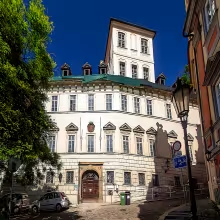
Palác Schützenů, also known as Palác Schützů or Harbuval-Chamaré, is a notable Baroque palace located in Prague's Malá Strana district at Sněmovní 171/13. Constructed between 1685 and 1699, it stands on the site of two medieval houses and the Church of St. Michael. This palace is distinguished by its irregular layout and cultural heritage status, which includes a courtyard and garden integral to its historical significance.
The origins of Palác Schützenů trace back to the late 17th century when Bohemia was under Habsburg rule. During this period, Prague experienced significant architectural developments influenced by Baroque art, reflecting broader European trends towards grandeur and ornamentation. The palace's construction began in 1685, replacing medieval structures with a new Baroque design that possibly drew influence from architect Jan Baptist Mathey.
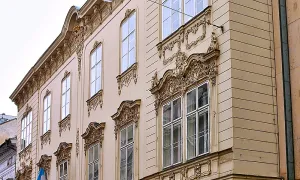
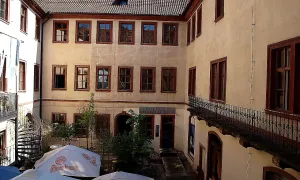
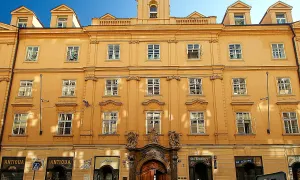
Architecturally, Palác Schützenů is characterized by its early Baroque style. It features an irregular layout with a courtyard containing a well adorned with a sandstone frame and modern glass sculpture. The ground floor of the palace is rusticated, while the attic structure is asymmetrical. The garden, which underwent modifications during the ownership of the counts of Klenové and Janovic from 1728 to 1769, showcases a regular layout with sculptures and coats of arms. In the 1930s, the garden wing was extended and modified, adding to its historical layers.
Ownership of Palác Schützenů has changed hands over time, with significant periods including the counts of Klenové and Janovic in the 18th century. After 1990, it became privately owned. In 2008, there were proposals for substantial alterations, such as converting the palace into a hotel named Art Palace Chamare, which included plans to cover the courtyard and garden wing with a glass structure and add an underground pool. However, these changes raised concerns about their compatibility with the preservation of historical sites.
Today, Palác Schützenů remains a significant cultural monument in Prague. Although it was unoccupied as of 2017, its architectural and historical value continues to attract interest. The palace's garden offers views towards other notable gardens on Hradčany Hill, including the Lesliovský Palace (British Embassy), contributing to a unique urban landscape of palace gardens along the southern slope beneath Prague Castle.
Palác Schützenů stands as a testament to the rich architectural and cultural history of Prague. Its preservation allows visitors to appreciate the intricate details of Baroque design and its historical context. For those interested in exploring the heritage of this vibrant city, Palác Schützenů offers a unique glimpse into the past and is well worth a visit.
Historical milestones
- 1685
- Začátek stavby Paláce Schützenů.
- 1699
- Dokončení stavby Paláce Schützenů.
- 1728-1769
- Vlastnictví hrabat Klenové a Janovic, změny v zahradě.
- 1930
- Rozšíření a úpravy zámeckého křídla.
- 1990
- Přechod vlastnictví na soukromou ruku.
Architectural development
The palace was initially built in the early Baroque style, with influences possibly from architect Jan Baptist Mathey. The garden underwent modifications during the ownership of the counts of Klenové and Janovic, featuring a regular layout with sculptures and coats of arms. In the 1930s, the garden wing was extended and modified.
Historical events
1685-1699: Construction of the Baroque palace on the site of medieval structures.
2008: Proposal for significant alterations including a hotel conversion and construction of an underground pool.
Owners
The palace was owned by the counts of Klenové and Janovic from 1728 to 1769, followed by various owners over time. After 1990, it became privately owned.
Points of interest
- Palác Schützenů's construction began on a site that previously housed two medieval structures and the Church of St. Michael, reflecting the common practice in Baroque architecture to build over older sites for grander designs.
- The palace features an unusual architectural layout with asymmetrical elements such as its attic structure and a rusticated ground floor, which were distinctive choices during the early Baroque period in Prague.
Guide
Show guide text
Welcome to the historical site of Palác Schützenů, a remarkable Baroque masterpiece nestled in the heart of Prague's Malá Strana district. As you stand here, enveloped by the charm and grandeur of this architectural gem, let your senses take in the elegant lines and intricate details that have captivated visitors for centuries.
The story of Palác Schützenů begins in 1685 when construction commenced on a site rich with history. This location once housed two medieval structures alongside the Church of St. Michael, which were replaced to make way for this grand new design. The palace was completed in 1699 under the skilled guidance of architect Jan Baptist Mathey. Its creation reflects a period where Baroque architecture often embraced the transformation of older sites into something more splendid and imposing.
As you gaze upon Palác Schützenů, take note of its unique architectural layout. Unlike many buildings of its time, this palace features an irregular design that includes a courtyard and garden—integral elements contributing to its cultural heritage status. The ground floor is adorned with rusticated stonework, adding texture and depth to the façade. These details are not just visual delights but also speak volumes about the architectural trends of the Baroque era.
Throughout its history, Palác Schützenů has been home to notable figures and stories that add layers to its legacy. Between 1728 and 1769, it was owned by the Counts Klenové and Janovic, who made significant changes to the gardens during their tenure. The palace's journey through time continued into the 20th century when, in 1930, there were expansions and modifications to the estate wing. A pivotal moment came in 1990 when ownership transitioned to private hands, marking a new chapter for this historic site.
One intriguing aspect of Palác Schützenů is its foundation story. The palace's construction began on land that previously held medieval buildings and a church, illustrating the Baroque era’s penchant for building over older sites to create grander designs. This practice not only transformed the urban landscape but also layered historical narratives within the architecture itself.
As you continue your exploration of Palác Schützenů, allow yourself to be drawn into its rich history and architectural beauty. Each corner and courtyard holds secrets from centuries past, inviting you to delve deeper into its story. We encourage you to wander through this historic site with curiosity and appreciation, discovering more about the people and events that have shaped its legacy.
Thank you for joining us on this journey through time at Palác Schützenů. May your visit inspire a lasting connection with Prague's vibrant history and architectural splendor. Enjoy your exploration!
Tips for visitors
The best time to visit Palác Schützenů is during the late spring or early autumn months, when the weather is pleasant and the palace gardens are at their most vibrant. During these seasons, you can enjoy the lush greenery and blooming flowers without the crowds that often accompany peak tourist times in summer. Additionally, the lighting conditions for photography are ideal, with soft natural light enhancing the architectural details of the Baroque palace.
Transportation to Palác Schützenů is convenient by both public transport and car. The palace is located on Malá Strana, which is easily accessible via Prague's extensive tram network. For those driving, there are parking options in nearby areas, though it is advisable to check for availability beforehand as spaces can be limited during busy periods. Public transportation offers a stress-free way to reach the site without worrying about parking.
When visiting Palác Schützenů, consider bringing comfortable walking shoes and weather-appropriate clothing, especially if you plan to explore the surrounding gardens or walk around Malá Strana. A camera is recommended to capture the stunning views of Prague Castle and the garden vistas that stretch towards Hradčany Hill. Don't forget a water bottle to stay hydrated during your visit.
For photography enthusiasts, some of the best spots at Palác Schützenů include the palace's front façade, which offers excellent symmetry for architectural shots, and the gardens where you can capture sweeping views of Prague Castle in the background. The soft morning light or late afternoon golden hour provides ideal conditions for capturing the Baroque details and vibrant garden colors.
Nearby attractions within a 30-minute walk include the Lesliovský Palace (British Embassy) and other historic sites along the southern slope beneath Prague Castle. These areas offer additional cultural experiences and picturesque views, making them perfect extensions to your visit at Palác Schützenů.
Businesses nearby
Nearby
The palace's garden offers views towards the gardens on Hradčany Hill, including the Lesliovský Palace (British Embassy). It is part of a unique urban landscape of palace gardens along the southern slope beneath Prague Castle.
Accommodation nearby
Trips and activities nearby
Guided tours, tickets and activities nearby from GetYourGuide
Search tours and activities →Themed route
Thematic Walking Tour: The Gardens of Prague Castle
1. Palác Schützů (Schützen Palace) *Type:* Baroque palace *Why Visit:* Begin your journey at the Palác Schützů, a stunning example of baroque architecture nestled in the heart of Prague 1. This historic site offers breathtaking views from its gardens towards Hradčany Hill and serves as an introduction to the unique urban landscape of palace gardens that grace the southern slope beneath Prague Castle.
2. Schützen Palace Gardens *Type:* Baroque garden *Why Visit:* Explore the meticulously designed Schützen Palace Gardens, which provide a serene escape amidst the bustling city. The gardens offer panoramic views over the surrounding area, including glimpses of other significant sites like Lesliovský Palace (British Embassy), making it an ideal spot for both relaxation and cultural appreciation.
3. Lesliovský Palace *Type:* Neoclassical palace *Why Visit:* Continue your tour by visiting the Lesliovský Palace, which now serves as the British Embassy. This neoclassical gem is renowned for its elegant architecture and historical significance. Its proximity to the Schützen Palace Gardens allows you to appreciate the continuity of architectural styles along this unique urban landscape.
4. Gardens on Hradčany Hill *Type:* Historic gardens *Why Visit:* Conclude your tour with a walk through the historic gardens located on Hradčany Hill, which offer sweeping views across Prague and its iconic landmarks. These gardens are part of the larger ensemble that includes the Schützen Palace Gardens, providing a cohesive experience of history, architecture, and nature.
This thematic walking tour encapsulates the rich cultural tapestry of Prague's palace gardens, offering insights into their historical context and architectural beauty while remaining within the designated area around the Palác Schützů.
Seasonal recommendations
Spring: Visiting the Schützen Palace during spring offers a unique experience as nature awakens around Prague's historic heart. The blooming flowers and lush greenery create a picturesque backdrop, enhancing the palace's architectural beauty with vibrant colors and fresh scents. As daylight extends, the soft morning light casts a gentle glow on the intricate details of the building, adding to its charm. It is advisable to dress in layers, as spring weather can be unpredictable, ranging from mild temperatures to occasional rain showers. Early mornings or late afternoons are ideal times for visiting when crowds are thinner and you can enjoy a more tranquil atmosphere.
Summer: The summer season at Schützen Palace is characterized by long daylight hours and warm, sunny days that illuminate the palace's grandeur in bright light. This period often sees increased visitor numbers due to Prague’s popularity as a tourist destination during peak travel times. To avoid large crowds, consider visiting early in the morning or later in the afternoon when the sun isn't at its zenith. Comfortable walking shoes and breathable clothing are recommended, along with sunscreen and a hat for protection against the summer heat. The lively atmosphere of the city complements the historical ambiance of the palace, making it an invigorating experience.
Autumn: Autumn brings a magical transformation to the Schützen Palace as Prague is enveloped in warm hues of red, orange, and yellow. The crisp air and cooler temperatures create a serene environment that enhances the contemplative beauty of the site. This season often offers fewer visitors compared to summer, allowing for more intimate exploration of the palace grounds. Layered clothing is essential to stay comfortable during fluctuating temperatures, and carrying an umbrella can be wise due to occasional autumn rains. The golden light filtering through the trees adds a nostalgic touch to your visit, making it a particularly enchanting time to explore.
Winter: During winter, Schützen Palace stands majestically against Prague's snowy skyline, offering a stark yet beautiful contrast with its historic architecture. The shorter days mean that visits should be planned around the limited daylight hours, often necessitating earlier arrival times. Winter brings fewer tourists, providing a quieter experience to appreciate the palace’s details without the bustle of peak seasons. Warm clothing is essential, including coats, hats, gloves, and thermal layers to combat the cold. The winter atmosphere can evoke a sense of timelessness as you explore the palace amidst the quietude of Prague's dormant nature.
Visualizations and artistic views

Vizualizace jsou generovány umělou inteligencí a slouží jako inspirace.

Tips from visitors
No tips yet. Be the first!
Log in and add your tip.


Reviews and comments