






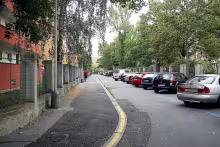
Obětí 6. května is a street in Prague's Krč district, known for its historical significance related to the Prague Uprising of May 1945. Originally named Úsobská after the village of Úsobí, it was renamed to honor those who died in a massacre there. The site features two memorials: one commemorating sixteen victims killed in an underground cellar and another for fifty individuals murdered on a courtyard. Architecturally, the area is distinguished by modernist apartment buildings with prominent balconies designed by architects František Albert Libra and Jiří Kan between 1935-1937.
The street's historical context is deeply rooted in May 1945 events when Czechoslovakia faced turmoil as World War II ended. The Prague Uprising against Nazi occupation led to significant resistance movements, including the tragic massacre at Úsobská Street. This event prompted the renaming of the street and marked it as a site of historical memory.
Architecturally, Obětí 6. května is characterized by modernist apartment buildings constructed between 1935-1937. These structures are notable for their distinctive balconies reflecting the functionalist style prevalent during that era. The architectural development in this area contrasts with its historical significance, highlighting a period of urban transformation before World War II.
The street's memorials serve as poignant reminders of lives lost during the Prague Uprising. A memorial plaque on one building honors sixteen victims killed in an underground cellar, while another monument commemorates fifty individuals murdered on a courtyard. These sites offer visitors a tangible connection to the past and underscore the importance of remembering those who suffered.
Today, Obětí 6. května remains accessible near the Budějovická metro station in Prague's Krč district. The street's blend of historical significance and modernist architecture makes it a compelling destination for visitors interested in history and urban development. Its memorials provide an opportunity to reflect on May 1945 events, while surrounding residential areas offer a glimpse into contemporary life in Prague.
Obětí 6. května stands as a testament to resilience and remembrance, inviting visitors to explore its historical depth and architectural beauty. It is a place where history and modernity converge, offering insights into past struggles and present-day vibrancy of Prague.
Historical milestones
- 1945
- Memorial plaque installed to honor sixteen victims killed in an underground cellar.
- 1945
- Monument erected for fifty individuals murdered on a courtyard.
Architectural development
The area underwent significant architectural development in the mid-1930s when modernist apartment buildings were constructed. These structures are characterized by their prominent, innovative balconies, reflecting a functionalist style that was prevalent at the time.
Historical events
1945: Massacre at Úsobská Street during the Prague Uprising, leading to the renaming of the street.
1935-1937: Construction of modernist apartment buildings with notable balconies by architects František Albert Libra and Jiří Kan.
Points of interest
– The street was originally named Úsobská, which reflects its connection to the nearby village of Úsobí, highlighting how local geography influenced historical naming conventions.
– Architect František Albert Libra and Jiří Kan designed the modernist apartment buildings with distinctive balconies during a period when functionalism was gaining popularity in Czech architecture, showcasing an intersection between art and history.
Guide
Show guide text
Welcome to Obětí 6. května in the historic Krč district of Prague. As you stand here, take a moment to absorb the solemn atmosphere surrounding this poignant site. Before you lies a street that holds deep historical significance, its quiet presence echoing stories from May 5-6, 1945. Originally named Úsobská after the nearby village of Úsobí, this street serves as a powerful reminder of resilience and remembrance.
The origins of Obětí 6. května are rooted in the tragic events that unfolded during those fateful days at the end of World War II. As Prague was liberated from Nazi occupation, tensions escalated into violence that claimed many innocent lives. In this very location, a massacre occurred, leading to the renaming of Úsobská Street to honor the victims who perished here.
As you stroll along this street, take note of its architectural features. The modernist apartment buildings designed by František Albert Libra and Jiří Kan stand as testaments to mid-20th-century design. Their distinctive balconies are a visual reminder of the era's architectural innovation, blending seamlessly with the historical narrative of the place.
In 1945, shortly after these tragic events, a memorial plaque was installed to honor sixteen victims who lost their lives in an underground cellar nearby. Later that same year, another monument was erected for fifty individuals murdered on a courtyard adjacent to this street. These memorials serve as enduring tributes to those who suffered and remind us of the importance of remembering history.
While specific historical figures associated with these events remain unknown, the collective memory of the community ensures their stories are not forgotten. Each stone and plaque here speaks volumes about the courage and sacrifice that define human resilience in the face of adversity.
An interesting aspect of this street is its original name, Úsobská, which reflects a connection to the village of Úsobí. This highlights how local geography can influence historical naming conventions, offering insight into the intertwined nature of place and history.
As you continue your journey through Krč, let Obětí 6. května inspire reflection on the past and encourage a deeper exploration of Prague's rich tapestry of stories. Thank you for joining us today, and we hope this experience has enriched your understanding of this remarkable city.
Tips for visitors
The best time to visit the Obětí 6. května memorial is during late spring or early autumn, when the weather is mild and pleasant for walking around the Krč district. These seasons offer comfortable temperatures and good natural lighting, enhancing your experience of the historical site. Additionally, visiting on weekdays can help you avoid larger crowds typically present on weekends.
Transportation to Obětí 6. května is convenient via public transit or car. The Budějovická metro station is nearby, providing easy access by train. If driving, there are parking options available in the surrounding residential areas, though it's advisable to check for any restrictions or permits required. For those using public transport, verify current routes and schedules through a local transportation app or website.
When visiting Obětí 6. května, consider bringing comfortable walking shoes as you may want to explore the nearby streets and residential areas. A camera is recommended for capturing the memorial's significance and any historical plaques or markers present. Additionally, carrying water and a light snack can enhance your visit, especially if spending several hours in the area.
For photography enthusiasts, early morning or late afternoon provides the best natural lighting to capture the Obětí 6. května memorial. The soft light during these times creates dramatic shadows and highlights, adding depth to your photos. Be mindful of any restrictions on photography at the site itself, but there are often surrounding areas where you can take pictures without interference.
Nearby attractions within a 30-minute walk include other parts of Prague's Krč district, which offer a glimpse into modern urban life juxtaposed with historical elements. Exploring these areas can provide context to the memorial and enrich your understanding of its significance. For families with children, consider visiting local parks or playgrounds in the vicinity for some leisure time after exploring the site.
Businesses nearby
Nearby
Located near the Budějovická metro station, the street is part of Prague's Krč district. The surrounding landscape includes residential areas and other urban features typical of modern Prague.
Accommodation nearby
Trips and activities nearby
Guided tours, tickets and activities nearby from GetYourGuide
Search tours and activities →Themed route
Obětí 6. května Thematic Tour
1. Obětí 6. května (Pomník) *Type: Memorial* Start your journey at the Obětí 6. května memorial, a poignant tribute to the victims of the Prague Spring events in 1968. This site offers a reflective space to understand and honor those who lost their lives during this significant period in Czech history.
2. Budějovická Metro Station *Type: Public Transport Hub* A short walk from the memorial, visit Budějovická metro station. While primarily serving as a transportation hub, it provides insight into modern urban infrastructure and is an excellent example of Prague's efficient public transport system.
3. Residential Areas in Krč *Type: Urban Landscape* Explore the residential areas surrounding the memorial. These neighborhoods showcase contemporary architecture and offer a glimpse into everyday life in one of Prague's vibrant districts, reflecting the city's blend of history and modernity.
4. Urban Features and Parks *Type: Public Spaces* Conclude your tour by strolling through nearby urban parks and public spaces. These areas are perfect for relaxation and provide a serene environment to reflect on your visit, surrounded by greenery amidst the bustling cityscape of Krč.
This thematic route offers a comprehensive experience of the Obětí 6. května memorial while exploring its immediate surroundings in Prague's Krč district.
Seasonal recommendations
Spring: Visiting the Obětí 6. května monument during spring offers a unique experience as nature awakens around this historically significant site. The surrounding landscape is adorned with blooming flowers and fresh greenery, creating a vibrant atmosphere that contrasts beautifully with the solemnity of the memorial. As daylight extends into the evening, visitors can enjoy softer natural lighting that enhances the reflective ambiance of the area. This season tends to attract moderate crowds, making it an ideal time for those who appreciate both history and nature without the overwhelming presence of tourists. For a comfortable visit, wear layers as temperatures can vary, and consider arriving in the late morning or early afternoon when the light is most flattering.
Summer: Summer brings long days and warm weather to Krč, offering ample daylight to explore the Obětí 6. května monument. The lush greenery surrounding the site provides a picturesque backdrop for photographs and contemplation. However, this peak tourist season also means larger crowds, so it's advisable to visit early in the morning or later in the afternoon to avoid the busiest times. Sun protection is essential—wear hats, sunglasses, and sunscreen—and stay hydrated by carrying water with you. The extended daylight hours allow for a leisurely exploration of both the monument and its surrounding areas.
Autumn: Autumn at the Obětí 6. května site offers a serene and contemplative atmosphere as the foliage turns to rich hues of red, orange, and gold. This season provides a quieter experience compared to summer, with fewer visitors enjoying the crisp air and cooler temperatures. The changing leaves create a stunning natural tapestry that complements the historical significance of the monument. When visiting in autumn, dress warmly in layers to accommodate fluctuating temperatures throughout the day. The softer light during this time adds a poignant touch to photographs and enhances the reflective nature of your visit.
Winter: Winter transforms the Obětí 6. května monument into a quiet, introspective space under a blanket of snow or against a stark winter landscape. The shorter days mean that visits are best planned for midday when there is enough daylight to fully appreciate the site's details and surroundings. While crowds are minimal during this season, it’s important to dress warmly in insulated layers, including gloves and hats, as temperatures can be quite cold. Be mindful of potential changes in opening hours due to weather conditions, ensuring a smooth visit by checking ahead. The peacefulness of winter offers a unique opportunity for reflection amidst the quiet beauty of the landscape.
Visualizations and artistic views

Vizualizace jsou generovány umělou inteligencí a slouží jako inspirace.

Tips from visitors
No tips yet. Be the first!
Log in and add your tip.


Reviews and comments