





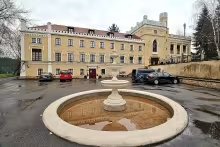
Château Krč is a notable example of Neo-Gothic architecture in Prague-Krč, situated near Zámecký rybník and Kunratického potoka. Originally constructed in the early 17th century, this historical monument has undergone significant transformations over time, evolving from a medieval stronghold to its present grandeur. Today, it serves as Hotel Château St. Havel, offering visitors insights into both its storied past and modern elegance.
The origins of Château Krč date back to the early 17th century when Bohemia faced political and religious upheaval during the Thirty Years' War in Europe. Initially a stronghold and manor house, it was captured by Hussites led by Jan Žižka in 1420 during their support of Prague against Emperor Sigismund. Ownership changed multiple times over the years, reflecting shifting power dynamics among noble families and religious orders.
Architecturally, Château Krč has evolved significantly from its early days as a simple manor house. The most transformative period occurred between 1860 and 1880 under Karel baron Schlosser's ownership. He redesigned it into its current Neo-Gothic form, featuring two-story facades with elaborate cimburiums in an English-style park. This transformation enhanced its aesthetic appeal and aligned it with contemporary architectural trends.
Throughout its history, Château Krč has seen various owners who left their mark on the property. In 1627, Jan Lukšan z Luftenštejna sold the estate to the Carmelite order of St. Havel, marking significant religious influence. The monastery was dissolved in 1786 by Emperor Joseph II's reforms, leading to ownership changes first to Josef Antonín Málek and then Vojtěch rytíř z Eisensteinu. Jan Gever z Ehrenbergu added more agricultural buildings. The Welze family owned the chateau from 1900 until its nationalization in 1948, with Tomáš Welz playing a crucial role in Krč's development. Post-1989, it was returned to Welz's descendants and underwent extensive reconstruction in 2003 before becoming a four-star hotel.
Key events at Château Krč include its capture by Hussites in 1420 and the significant Neo-Gothic renovations initiated by Karel baron Schlosser. These transformations reflect broader historical shifts, from medieval conflicts to architectural innovation during the 19th century.
Today, Château Krč is not only a testament to its rich history but also an integral part of Prague's cultural landscape. As Hotel Château St. Havel, it offers luxurious accommodations amidst beautifully maintained Neo-Gothic architecture and an English-style park. The chateau's historical significance, combined with modern amenities, makes it a compelling destination for those exploring the layers of history in Prague-Krč.
Château Krč serves as a bridge between past and present, inviting visitors to immerse themselves in its storied legacy while enjoying contemporary comforts. Its transformation from a medieval stronghold to a prestigious hotel underscores the enduring allure of this historical monument, making it a must-visit for anyone exploring Prague's rich architectural heritage.
Historical milestones
- 1420
- The stronghold was captured by Hussites led by Jan Žižka.
- 1627
- Jan Lukšan z Luftenštejna sold the property to the Carmelite order of St. Havel.
- 1786
- The monastery was dissolved by Emperor Joseph II's reforms.
- 1860
- Karel baron Schlosser began significant Neo-Gothic renovations.
Architectural development
Château Krč has evolved from a medieval stronghold to its current Neo-Gothic form. Initially, it was a simple manor house that saw various owners until the mid-19th century when Karel baron Schlosser transformed it into a grand two-story building with Neo-Gothic facades and an English-style park.
Historical events
In 1420, the original stronghold was captured by Hussites led by Jan Žižka during their support of Prague against Emperor Sigismund.
The estate underwent significant Neo-Gothic transformation under Karel baron Schlosser between 1860 and 1880.
Owners
Staroměstský měšťan Jan Lukšan z Luftenštejna (1627)
Mnišský řád obutých karmelitánů od sv. Havla (post-1627)
Náboženský fond (1786)
Josef Antonín Málek (1795)
Vojtěch rytíř z Eisensteinu (1834)
Jan Gever z Ehrenbergu
Karel baron Schlosser (1860–1880)
Rodina Tomáše Welze (1900-1948)
Státní podnik Agroprojekt (until 1989)
Potomci Tomáše Welze (post-restoration)
Points of interest
- In 1420, the Château Krč was captured by Hussites under Jan Žižka during their support of Prague against Emperor Sigismund, highlighting its strategic importance in medieval military conflicts.
- The Carmelite order of St. Havel took ownership of the estate in 1627, marking a period where religious influence significantly shaped the chateau's history and operations.
- Between 1860 and 1880, Karel baron Schlosser transformed Château Krč into its current Neo-Gothic form, reflecting broader architectural trends and personal vision during that era.
Guide
Show guide text
Welcome to the historic Château Krč, nestled in the enchanting district of Prague-Krč. As you stand before this majestic structure, take a moment to absorb its grandeur and the stories it holds within its walls. The Neo-Gothic architecture that captures your eye today is just one chapter in its rich history.
The origins of Château Krč trace back to the early 17th century when it was initially built as a manor house. Over time, it has seen numerous transformations and played host to various owners. One pivotal moment occurred in 1420, during the Hussite Wars, when Jan Žižka led his forces to capture this stronghold. This event underscores its strategic importance in medieval military conflicts.
As you gaze upon the Neo-Gothic facades that define its current appearance, remember that these were introduced by Karel baron Schlosser around 1860. His vision transformed the estate into a prominent site with English influences, adding to its architectural allure.
Château Krč has been intertwined with many historical figures throughout its existence. In 1627, Jan Lukšan z Luftenštejna sold it to the Carmelite order of St. Havel, marking a significant period in its history. The monastery's dissolution by Emperor Joseph II in 1786 further shaped its journey through time.
One fascinating aspect of Château Krč is its connection to Jan Žižka z Trocnova, whose capture of the site during his support for Prague against Emperor Sigismund highlights its historical significance. This moment not only emphasizes its strategic value but also ties it to broader European conflicts and movements.
As you explore further, let your imagination wander through the centuries that have passed here. Each stone and corner holds echoes of the past, inviting you to delve deeper into its stories.
We invite you to continue exploring this remarkable site, where history comes alive around every turn. Thank you for joining us on this journey through time at Château Krč.
Tips for visitors
The best time to visit Château Krč is during the late spring or early autumn months, specifically from May to June or September to October. During these periods, the weather is generally pleasant, and you can enjoy the natural beauty surrounding the chateau without the crowds of summer tourists. The lush greenery around Zámecký rybník and Kunratického potoka makes for a picturesque visit.
Parking at Château Krč can be limited, so it's advisable to use public transportation whenever possible. The area is accessible by tram or bus, with several lines connecting Prague city center to Krč. If you choose to drive, there are some parking options nearby, but availability may vary depending on the time of day and season.
When planning your visit, consider bringing comfortable walking shoes as exploring the grounds around the chateau can involve a fair amount of walking. A camera is also recommended, especially if you enjoy photography, as the natural light during late morning or early afternoon provides excellent conditions for capturing the Neo-Gothic architecture and scenic views.
For families with children, Château Krč offers a delightful experience with its expansive grounds and nearby Zámecký rybník. Children can enjoy exploring the open spaces and perhaps even spot some local wildlife. Additionally, the area is suitable for a leisurely picnic if you bring along some snacks or a packed lunch.
Photography enthusiasts will find several spots around Château Krč ideal for capturing its beauty. The best light conditions are typically in the late morning when the sun illuminates the chateau's façade and surrounding landscape. Additionally, the area near Zámecký rybník provides stunning reflections of the architecture in the water during calm weather.
Businesses nearby
Nearby
Located near Zámecký rybník and Kunratického potoka, Château Krč is surrounded by natural beauty. The area includes other historical sites and offers scenic views within a five-kilometer radius.
Accommodation nearby
Trips and activities nearby
Guided tours, tickets and activities nearby from GetYourGuide
Search tours and activities →Themed route
Tematická výletní trasa: Zámek Krč a jeho okolí
1. Zámek Krč - *Typ:* Historický zámek - *Proč stojí za návštěvu:* Tento barokní zámek, nacházející se v obci Krč, je známý svou architektonickou krásou a bohatou historií. Zajímavostí jsou jeho elegantní interiéry a půvabná zahrada, která nabízí klidné prostory k odpočinku.
2. Zámecký rybník - *Typ:* Rybník - *Proč stojí za návštěvu:* Tento malý rybník je umístěn přímo u zámku a poskytuje mírné, klidné prostředí pro relaxaci. Je to ideální místo pro krátkou chůzi nebo piknik, kde si můžete užít pohledu na vodní hladinu a okolní zeleně.
3. Kunratický potok - *Typ:* Potok - *Proč stojí za návštěvu:* Kunratický potok, který tekne poblíž zámku Krč, nabízí příjemné procházky po jeho březích. Je to ideální místo pro ty, kteří chtějí si užít přírodní krásy a tiché okolí, což je dokonalý způsob, jak odpočinout po návštěvě zámku.
Tato trasa nabízí kombinaci historických i přírodních atrakcí v blízkosti Zámku Krč a umožňuje návštěvníkům plně se ponořit do jeho krásného okolí.
Seasonal recommendations
Spring: Visiting Zámek Krč during spring offers a unique experience as the castle grounds come alive with blooming flowers and lush greenery, creating a picturesque setting that enhances the historical charm of the site. The gentle warmth of the season encourages visitors to explore the gardens at their leisure, often accompanied by soft sunlight filtering through the trees. To make the most of your visit, consider wearing comfortable walking shoes for strolling around the grounds, as well as layers that can be adjusted with the fluctuating temperatures typical of spring weather. Early mornings or late afternoons are ideal times to avoid larger crowds while enjoying the serene atmosphere.
Summer: Summer at Zámek Krč is characterized by vibrant colors and lively energy, as longer daylight hours allow for extended exploration of both the castle's interiors and its expansive grounds. The lush foliage provides a cooling canopy during warmer parts of the day, making it an inviting time to appreciate the historical architecture against nature’s backdrop. Visitors should plan their visit early in the morning or later in the afternoon to avoid peak tourist times, and dress in light, breathable clothing suitable for warm weather. Bringing a hat and sunscreen is advisable to protect against the summer sun.
Autumn: Autumn at Zámek Krč presents a stunning display of fall foliage, with vibrant reds, oranges, and yellows transforming the landscape into an autumnal wonderland. The cooler temperatures create a cozy atmosphere that complements the historical ambiance of the castle, while shorter days mean visits are often bathed in soft, golden light. To fully enjoy this season's beauty, wearing layered clothing is recommended to adapt to changing weather conditions throughout the day. Visiting during weekdays can help avoid larger crowds, allowing for a more tranquil experience amidst the autumn scenery.
Winter: Winter at Zámek Krč offers a unique and enchanting atmosphere as snow blankets the grounds, transforming the castle into a picturesque winter scene reminiscent of fairy tales. The cooler temperatures and shorter days mean that visits are often quieter, providing an intimate opportunity to explore the castle's historical features without the bustle of peak tourist seasons. Dress warmly in layers, including thermal wear and waterproof outer garments, to stay comfortable during your visit. Planning your trip for a sunny day can enhance the experience, as natural light accentuates the beauty of the snow-covered landscape.
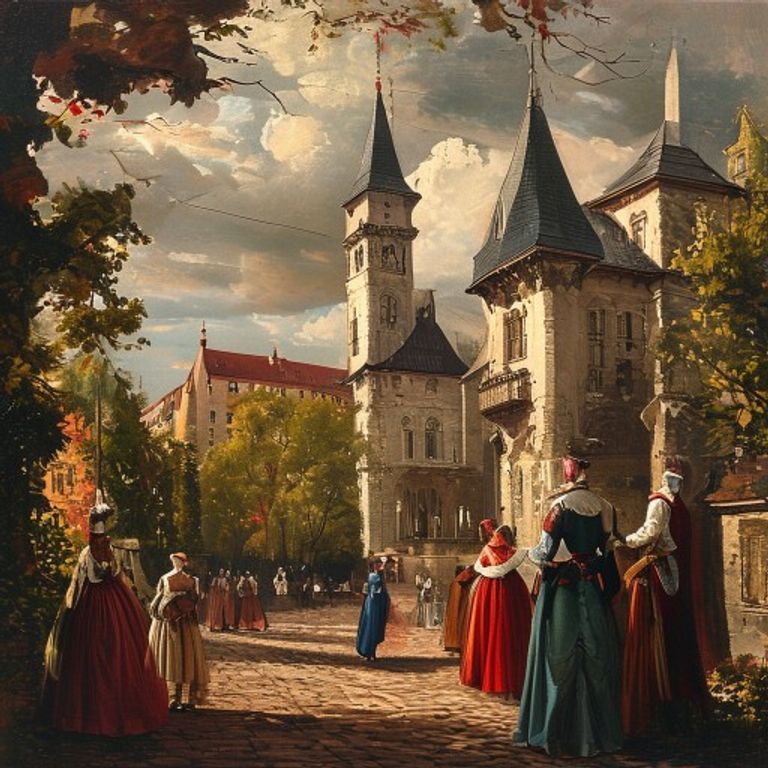
Visualizations and artistic views

Vizualizace jsou generovány umělou inteligencí a slouží jako inspirace.


Tips from visitors
No tips yet. Be the first!
Log in and add your tip.
Location on the map



Příběhy a pověsti
Legendy, pověsti a příběhy spjaté s touto památkou
Reviews and comments