





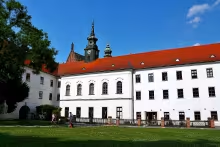
The Museum of the Old Brno Abbey is located in the Augustinian monastery at Staré Brno. It opened in February 2018. This museum focuses on the history of Staré Brno, the Cistercians, and the development of the Augustinian order both generally and specifically within Brno. Its exhibits are housed in authentic spaces within an active monastery, divided into four thematic sections that include galleries showcasing secular and sacred art with high artistic and historical value.
The museum's establishment was a collaborative effort involving the Brno Augustinians, whose collection items form a significant part of the exhibits, Mendel Museum as a mediator for guided tours, and the City of Brno Museum which provided archaeological finds and photographs. The origins of the monastery date back to 1323 when it was founded by Eliška Rejčka and incorporated into the Cistercian order. This period marked an era where Bohemia was part of the Holy Roman Empire under King John of Luxembourg, with the Cistercian order playing a significant role in monastic reform across Europe.
Architecturally, the museum is situated within an active Augustinian monastery that retains its authentic spaces. The galleries display items that once adorned the walls of now-public sections of the monastery, offering visitors a glimpse into both secular and sacred art. Among these are notable artworks such as an important painting of Jerusalem by Ludwig Blum, which has been part of the museum since 2000.
Throughout its history, the monastery experienced significant changes, including the dissolution of the Cistercian nuns' convent in 1782 by Emperor Joseph II. This event marked a pivotal moment when the Augustinians took over the premises. Archaeological research conducted in the 1970s further enriched the museum's narrative by uncovering two older structures beneath the Gothic church: a single-nave Romanesque chapel and an even older Romanesque rotunda, dating back to the transition between the 10th and 11th centuries.
Today, the Museum of the Old Brno Abbey stands as a testament to the rich history and cultural heritage of Staré Brno. It offers visitors a unique opportunity to explore its thematic sections and appreciate the artistic treasures within an authentic monastic setting. The museum's blend of historical significance and artistic value makes it a compelling destination for those interested in the evolution of religious orders and their impact on local culture. Visitors are invited to delve into this remarkable site, where history and art converge in a space that continues to inspire and educate.
Historical milestones
- 1323
- Založení kláštera Eliškou Rejčkou.
- Kolem 1350
- Incorporace do řádu cisterciáků.
- 1782
- Zrušení kláštera cisterciánek Josefovem II.
- 1970
- Archeologické vykopávky objevily starší struktury.
- 2000
- Přidání důležitého obrazu Jeruzaléma do sbírky.
- 2018
- Otevření Muzea starobrněnského opatství.
Architectural development
The museum is located in an active Augustinian monastery with authentic spaces. It features galleries of secular and sacred art, displaying items that once adorned the walls of now-public sections of the monastery.
Historical events
1323: The monastery was founded by Eliška Rejčka and incorporated into the Cistercian order.
1782: The Cistercian nuns' convent was dissolved by Emperor Joseph II.
Owners
The museum was established through collaboration between the Brno Augustinians, whose collection items form a significant part of the exhibits, Mendel Museum as a mediator for guided tours, and the City of Brno Museum which provided archaeological finds and photographs.
Points of interest
- The Museum of the Old Brno Abbey houses an important painting of Jerusalem by Ludwig Blum, which has been part of its collection since 2000 and adds a unique artistic dimension to its exhibits.
- In 1782, Emperor Joseph II dissolved the Cistercian nuns' convent at Staré Brno, leading to the Augustinians taking over the premises—a pivotal moment in the monastery's history that changed its monastic community.
Guide
Show guide text
Welcome to the Museum of the Old Brno Abbey, nestled within the historic Augustinian monastery on Staré Brno. As you stand here, surrounded by the serene atmosphere of this ancient site, imagine stepping back in time to explore a rich tapestry of history and spirituality.
The origins of this place trace back to 1323 when Elisabeth Rejčka founded the monastery. Initially established as a convent for Cistercian nuns, it became part of the Cistercian order around 1350, marking its significance in religious and community life. However, by 1782, Emperor Joseph II dissolved this convent, leading to a period of transformation when the Augustinians took over, continuing the legacy of devotion and education.
As you look around, notice how the museum is seamlessly integrated into the authentic spaces of an active monastery. While specific architectural details remain elusive due to their anonymity, the aura of history is palpable in every corner. The structure itself whispers tales from centuries past, inviting you to delve deeper into its stories.
Key figures like Elisabeth Rejčka are central to this narrative. Her vision laid the foundation for a spiritual community that would endure through various transformations and challenges over the centuries. This place has witnessed significant historical shifts while maintaining its sacred purpose.
One intriguing highlight is the museum's collection, which includes an important painting of Jerusalem by Ludwig Blum, acquired in 2000. This artwork adds a unique artistic dimension to the exhibits, offering insights into religious artistry and inspiration.
As we conclude this brief introduction, I invite you to explore further. Wander through the thematic sections that reveal more about Staré Brno's history, the Cistercians, and the Augustinian order's development in Brno. Each step will uncover new layers of stories waiting to be discovered. Thank you for joining us on this journey into the past, and enjoy your exploration!
Businesses nearby
Do you run a restaurant, accommodation, shop, museum, rental, wellness or other visitor service near this monument? Show yourself directly to the people heading to it — this is how they will see you in the app and on the web:
Events nearby


Event source: Kudy z nudy and open data of the Czech Republic
Accommodation nearby
Trips and activities nearby
Guided tours, tickets and activities nearby from GetYourGuide
Search tours and activities →Themed route
Thematic Walking Tour: Museum of the Old Brno Abbey
Welcome to a journey through history and culture in the heart of Brno, focusing on the rich heritage preserved within the Museum of the Old Brno Abbey and its immediate surroundings.
1. Museum of the Old Brno Abbey (Muzeum starobrněnského opatství) - *Type:* Museum - *Why Visit:* Begin your exploration at this museum, which offers a deep dive into the history of the Cistercian monastery that once stood here. The exhibits showcase religious artifacts, historical documents, and art from various periods, providing insight into the spiritual and cultural life of Brno's past.
2. Abbey Church (Kostel Starého Brna) - *Type:* Historical Site - *Why Visit:* Just a short walk from the museum is the Abbey Church, an architectural marvel with its blend of Romanesque and Gothic styles. This church serves as a testament to the artistic and religious significance of the monastery complex, featuring stunning frescoes and intricate stonework.
3. Abbey Garden (Klášterní zahrada) - *Type:* Historical Garden - *Why Visit:* Adjacent to the museum is the serene Abbey Garden, originally part of the monastic grounds. This tranquil space offers a glimpse into the daily life at the abbey, with its well-preserved layout and plantings that reflect historical gardening practices.
4. Monastery Courtyard (Klášterní nádvoří) - *Type:* Historical Site - *Why Visit:* Explore the Monastery Courtyard, where you can imagine the bustling activity of monks and visitors in centuries past. The courtyard is a central piece of the abbey complex, surrounded by historic buildings that have stood witness to Brno's evolving history.
5. Monastery Tower (Klášterní věž) - *Type:* Historical Structure - *Why Visit:* Conclude your tour with a visit to the Monastery Tower, offering panoramic views of Brno and its surroundings. This tower not only served as a lookout point but also symbolizes the abbey's historical prominence in the region.
This thematic walking tour provides a comprehensive experience of the Old Brno Abbey's legacy, combining history, architecture, and nature within a compact area. Enjoy your journey through time!
Seasonal recommendations
Spring: The arrival of spring at the Muzeum Starobrněnského opatství brings a refreshing atmosphere as nature begins to awaken around Brno. With blooming flowers and gentle breezes, visitors can enjoy the serene beauty that complements the historical exhibits inside the museum. During this time, lighting is softer and more natural due to longer daylight hours, enhancing both indoor and outdoor experiences. It's advisable to visit in the late morning or early afternoon when crowds are smaller, allowing for a peaceful exploration of the site. Light layers are recommended as temperatures can vary between mild days and cooler evenings.
Summer: Summer at the Muzeum Starobrněnského opatství is vibrant with lush greenery surrounding the museum, creating an idyllic setting for history enthusiasts. The longer daylight hours provide ample time to explore both indoor exhibits and outdoor spaces. However, this season also sees increased visitor numbers, particularly during the peak months of July and August. To avoid crowds, consider visiting early in the morning or later in the afternoon when temperatures are more comfortable. Comfortable walking shoes and light clothing are essential for a pleasant visit.
Autumn: Autumn transforms the Muzeum Starobrněnského opatství into a picturesque landscape of warm colors with golden leaves adorning the grounds, offering a visually stunning backdrop to the historical exhibits. The cooler temperatures make it an ideal time for extended exploration without the summer heat. As the days begin to shorten, lighting inside and outside becomes more subdued, creating a cozy atmosphere perfect for history buffs. It's best to dress in layers to accommodate fluctuating temperatures and visit during weekdays when fewer tourists are present.
Winter: Winter at the Muzeum Starobrněnského opatství offers a unique charm with its quiet ambiance and often snow-dusted surroundings, providing a magical setting for those interested in history. The shorter days mean that exhibits are best enjoyed earlier in the day to take full advantage of natural light before it fades. Indoor spaces offer warmth from the cooler outdoor temperatures, making them inviting for extended visits. Visitors should dress warmly with coats and hats, as well as consider bringing gloves or scarves. It's also wise to check opening hours in advance, as they may be reduced during this season.
Visualizations and artistic views

Vizualizace jsou generovány umělou inteligencí a slouží jako inspirace.

Tips from visitors
No tips yet. Be the first!
Log in and add your tip.
Location on the map

Příběhy a pověsti
Legendy, pověsti a příběhy spjaté s touto památkou
Reviews and comments