





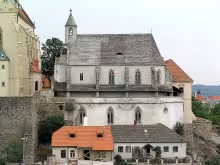
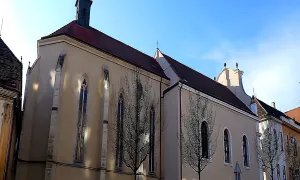
The Chapel of Saint Wenceslas, also known as Svatováclavská Kaple, is a remarkable historical monument located in Znojmo on Mikuláš Square. This two-story chapel stands near the Church of St. Nicholas and exemplifies late Gothic architecture with its unique ribbed vaulting, which is rare in Moravia. The chapel's significance lies not only in its architectural features but also in its rich history of serving various religious communities over the centuries.
The origins of the Chapel of Saint Wenceslas date back to before 1521 when it was constructed under the patronage of Kateřina z Bučic. Historical sources suggest that the lower part, dedicated to Saint Martin, likely dates from the 14th century and predates the upper level, which honors Saints Anne and Catherine. Donation records from 1521 indicate that construction was nearing completion by this time. This period in Bohemia was marked by religious transformations leading up to the Protestant Reformation under Habsburg rule, later influencing Counter-Reformation efforts.
Architecturally, the Chapel of Saint Wenceslas is a two-story structure with its lower part featuring earlier Gothic elements and the upper story showcasing late Gothic ribbed vaulting unique in Moravia. The chapel's exterior includes a distinctive main façade characterized by vertical divisions and a prominent consoled statue of knightly Saint Wenceslas under a stone baldachin, emphasizing its historical and cultural significance.
Ownership and administration of the chapel have seen dramatic changes over time. Initially owned by Kateřina z Bučic, it became municipal property in 1785 after being closed for a period. Over the centuries, it has been used by various religious groups including Protestant communities, the Czechoslovak Hussite Church, and Orthodox Christians. In 2008, management of the chapel was taken over by Asociace – Iuvenes – Znoyem.
Key events in the chapel's history include its official dedication to Saint Wenceslas in 1947, despite being known by that name earlier. Another significant event occurred in 1824 when a 16th-century altarpiece depicting scenes from Christ's Passion was discovered within the chapel. This altarpiece, originally intended for a Cistercian monastery and later donated to the Znojmo town hall, remains housed in the collections of the Národní galerie in Dolním Belvedéru, Vienna.
Today, the Chapel of Saint Wenceslas is accessible to the public and serves as a venue for cultural events such as concerts and exhibitions. Its unique architectural features and historical significance make it a worthwhile visit for those interested in exploring Moravian heritage. The chapel's location on Mikuláš Square offers views into the Dyje River valley, enhancing its appeal as both a historical site and a cultural landmark. Visitors are invited to experience this blend of history and artistry that continues to captivate audiences.
Historical milestones
- 1521
- Donation records indicate the chapel's construction was nearing completion.
- 1947
- The chapel was officially dedicated to Saint Wenceslas.
Architectural development
The Chapel of Saint Waveslas is a two-story structure with its lower part likely dating back to the 14th century. The upper story features late Gothic ribbed vaulting unique in Moravia and was completed before 1521. Over centuries, it has undergone various uses and restorations, reflecting shifts in religious affiliations.
Historical events
The chapel's construction is documented to have been completed or nearing completion by 1521, as per donation records.
In 1947, the chapel was officially dedicated to Saint Wenceslas, despite being known by that name earlier.
Owners
Initially owned by Kateřina z Bučic, the chapel became municipal property in 1785 after being closed for a period. It was later used by different religious groups before being managed by Asociace – Iuvenes – Znoyem since 2008.
Points of interest
- The Chapel of Saint Wenceslas was originally owned by Kateřina z Bučic and became municipal property in 1785 after being closed for a period, reflecting the shifting control over religious sites during that era.
- In 1824, a significant discovery was made within the chapel: a 16th-century altarpiece depicting scenes from Christ's Passion. This artwork, originally intended for a Cistercian monastery, adds to the chapel’s historical intrigue and is now housed in the Národní galerie in Dolním Belvedéru, Vienna.
Guide
Show guide text
Welcome to the Chapel of Saint Wenceslas in Znojmo, a remarkable testament to late Gothic architecture nestled on Mikuláš Square. As you stand here, take a moment to absorb the scene before you: this two-story chapel stands proudly near the Church of St. Nicholas, its stonework whispering tales from centuries past.
Let's delve into its origins and historical context. The Chapel of Saint Wenceslas was originally owned by Kateřina z Bučic, an influential figure whose legacy is etched into the very stones of this structure. Records from 1521 suggest that construction neared completion around this time, marking a significant era in the chapel's history. By 1947, it had been officially dedicated to Saint Wenceslas, reflecting its evolving spiritual significance over the centuries.
Now, turn your gaze upwards and marvel at the chapel’s unique architectural features. Notice the intricate ribbed vaulting that adorns the interior—a rarity in Moravia that speaks volumes of the craftsmanship of an unnamed architect from a bygone era. The lower part of the chapel is dedicated to Saint Martin, hinting at its earlier construction before 1521.
As we explore further, let's reflect on some key stories and personalities linked with this site. Kateřina z Bučic’s connection to the chapel underscores the shifting control over religious sites during her time. In 1785, after being closed for a period, it became municipal property—a transition that mirrors broader societal changes.
One intriguing discovery awaits your curiosity: in 1824, an altar painting from the 16th century was uncovered within these walls, offering a glimpse into the chapel’s rich artistic heritage and its role as a custodian of history.
Before you move on, allow yourself to be captivated by this place's enduring charm. The Chapel of Saint Wenceslas invites you to explore further, promising more secrets waiting to be discovered in its quiet embrace.
Thank you for joining us on this journey through time. We hope you carry with you the stories and beauty of this historic site as you continue your exploration of Znojmo.
Tips for visitors
The best time to visit the Chapel of Saint Wenceslas is during late spring or early autumn when the weather is mild, allowing for a comfortable exploration of its architectural details. These seasons also offer vibrant natural scenery that enhances the experience as you view the surrounding Dyje River valley. Additionally, visiting outside peak tourist season can provide a quieter atmosphere to appreciate the chapel's history and architecture.
Parking near Mikuláš Square is limited, so it's advisable to use public transportation or park in nearby areas and walk to the site. The chapel is accessible by bus and tram, making it convenient for visitors traveling from Znojmo city center. For those driving, consider parking a bit further away and enjoying a leisurely stroll through the charming streets of Znojmo.
When visiting the Chapel of Saint Wenceslas, bring comfortable walking shoes as you'll likely explore more than just the chapel itself. A camera is recommended to capture its architectural beauty, especially during golden hour when the light accentuates the Gothic details. Additionally, carrying a map or using a navigation app can help in exploring the area efficiently.
For photography enthusiasts, the best spots for capturing the chapel are from the front where you can frame it with the Church of St. Nicholas and enjoy views into the Dyje River valley. Early morning light provides soft illumination that highlights the intricate stonework, while late afternoon offers dramatic shadows. Be mindful of other visitors to ensure everyone has a chance to take their photos.
Nearby attractions within 30 minutes include the Church of St. Nicholas, which is located close by and shares architectural significance with the chapel. Families can also enjoy exploring Znojmo's historic center, where cobblestone streets lead to various shops and cafes. For families with children, consider a visit to local parks or interactive museums in Znojmo for an engaging experience.
Businesses nearby
Do you run a restaurant, accommodation, shop, museum, rental, wellness or other visitor service near this monument? Show yourself directly to the people heading to it — this is how they will see you in the app and on the web:
Nearby
The chapel is situated on Mikuláš Square near the Church of St. Nicholas and offers views into the Dyje River valley. It was once part of Znojmo's city fortifications.
Accommodation nearby
Themed route
Thematic Walking Tour: Znojmo's Historical Heart
1. Chapel of St. Wenceslas - Type: Chapel - Why Visit: Situated on Mikuláš Square, the Chapel of St. Wenceslas is a charming historical site that once formed part of Znojmo’s city fortifications. Its strategic location offers stunning views into the Dyje River valley and provides insight into medieval urban defenses.
2. Church of St. Nicholas - Type: Church - Why Visit: Located near Mikuláš Square, the Church of St. Nicholas is an architectural gem with a rich history dating back to the 13th century. Its proximity to the Chapel of St. Wenceslas makes it an integral part of exploring Znojmo's spiritual and cultural heritage.
3. Mikuláš Square - Type: Public Square - Why Visit: As a central hub in Znojmo, Mikuláš Square is surrounded by historical buildings that reflect the town’s medieval past. Walking through this square offers an immersive experience of Znojmo's vibrant history and its evolution over centuries.
This tour provides a compact yet enriching exploration of Znojmo’s historic center, focusing on key sites within walking distance from each other, allowing visitors to appreciate the area's historical significance and architectural beauty.
Seasonal recommendations
Spring: Spring at the Chapel of St. Wenceslas offers a serene atmosphere as nature begins to awaken, with blooming flowers and fresh greenery creating an enchanting backdrop for visitors. The soft morning light enhances the chapel's gothic architecture, making it ideal for photography enthusiasts. During this time, visitor numbers are moderate, allowing for a peaceful exploration of the site. It is advisable to wear comfortable layers as temperatures can vary; mornings may be cool while afternoons warm up. Early spring days might still bring occasional rain showers, so carrying an umbrella or waterproof jacket is recommended.
Summer: The summer months at the Chapel of St. Wenceslas are characterized by vibrant colors and longer daylight hours, providing ample opportunity to appreciate its intricate details in natural light. This period often sees increased visitor traffic, particularly during weekends and holidays, as it coincides with peak tourist season in Znojmo. To avoid crowds, visiting on a weekday or early in the morning is advisable. Dressing in lightweight clothing and wearing sunscreen are essential due to the warm weather. The surrounding gardens and parks offer additional attractions for those looking to enjoy the outdoors.
Autumn: Autumn transforms the Chapel of St. Wenceslas into a picturesque setting with its rich tapestry of reds, oranges, and yellows as deciduous trees shed their leaves. This season provides a unique opportunity to experience the chapel amidst a stunning natural landscape, often less crowded than during summer. The cooler temperatures make for comfortable exploration without the need for heavy clothing; however, bringing a light jacket is wise for chilly afternoons. As daylight hours shorten, planning your visit earlier in the day ensures you have enough time to fully enjoy the site.
Winter: Visiting the Chapel of St. Wenceslas during winter offers a magical experience as snow blankets the historic town of Znojmo, creating a fairy-tale atmosphere around the chapel. The shorter days and potentially icy conditions mean that visits are best planned for midday when lighting is optimal for photography. It's essential to dress warmly in layers, wear sturdy boots with good grip, and be prepared for potential closures or reduced hours due to weather conditions. Despite fewer visitors during this time, the tranquility of a winter visit can make it an intimate and memorable experience.
Visualizations and artistic views


Vizualizace jsou generovány umělou inteligencí a slouží jako inspirace.


Tips from visitors
No tips yet. Be the first!
Log in and add your tip.

Reviews and comments