





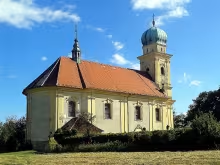
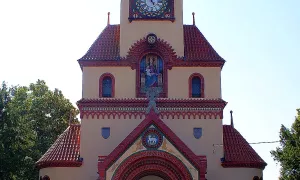
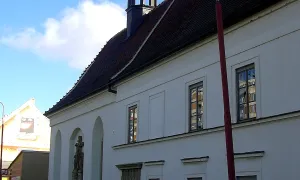
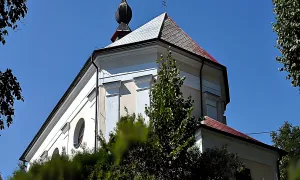
The Church of Saint Martin in Luleč stands as a testament to baroque architectural refinement within the Roman Catholic parish. Located southwest of the village on a flat hilltop, it once hosted remnants of prehistoric and medieval fortifications. Recognized as a cultural monument of the Czech Republic, this church draws interest for its architectural beauty and historical significance dating back to mid-18th-century renovations.
The origins trace back to early 15th-century records, although today's structure largely results from baroque renovations between 1751 and 1753. These modifications were part of a broader Enlightenment cultural movement in Europe, emphasizing reason and individualism, which influenced architecture across Bohemia.
Architecturally, the Church exemplifies baroque style with ornate details and dramatic forms. The 1751-1753 renovations shaped its current appearance, reflecting artistic trends of that period. While specific materials are not detailed, the church's enduring presence highlights construction quality and durability.
Throughout history, it has remained a significant religious site within the Roman Catholic parish of Luleč. Its administration aligns with its role as a filial church, maintaining spiritual and cultural importance in the region. The proximity to historical remnants of a prehistoric fort and medieval castle adds layers of historical depth to its surroundings.
Today, visitors can explore its architectural beauty and historical context. It stands not only as a place of worship but also as a cultural monument offering insights into baroque influence on religious architecture in Bohemia. Its location near significant historical sites enhances its appeal, making it a worthwhile destination for those interested in history and architecture.
Visiting the Church provides an opportunity to appreciate the confluence of history, culture, and artistry that defines this remarkable site. Its preservation as a cultural monument ensures future generations can explore and learn from its storied past. Whether drawn by architectural interest or historical curiosity, the Church of Saint Martin invites you to discover its unique charm and significance.
Historical milestones
- kolem 15. století
- První záznamy o kostele svatého Martina
- 1751
- Počátek barokních rekonstrukcí
- 1753
- Dokončení barokních rekonstrukcí
Architectural development
Originally mentioned in early 15th-century records, the Church of Saint Martin has undergone substantial transformations. The existing structure is a result of baroque modifications carried out between 1751 and 1753.
Historical events
The church underwent significant baroque renovations from 1751 to 1753, shaping its current appearance.
Points of interest
- The Church of Saint Martin in Luleč is built on a site that once hosted prehistoric and medieval fortifications, suggesting it has been a strategic location for centuries. This adds an intriguing layer to its historical significance beyond its religious function.
- Despite the church's prominent baroque style from the mid-18th century renovations, its origins date back to early 15th-century records. This highlights a fascinating transformation in architectural styles over several centuries within the same structure.
Guide
Show guide text
Welcome to the Church of Saint Martin in Luleč, a remarkable testament to history and architecture nestled on this serene hilltop southwest of the village. As you stand here, take a moment to absorb the tranquility that envelops this site, where centuries-old stories whisper through the air. The landscape around you is steeped in history, once home to prehistoric fortifications and a medieval castle—a strategic location that has witnessed the passage of time.
The Church of Saint Martin holds its roots deep within the annals of history, with first records dating back to the 15th century. It's fascinating to think about how this sacred site evolved over the centuries, adapting to the needs and artistic expressions of those who came before us. By the mid-18th century, between 1751 and 1753, the church underwent significant baroque renovations that shaped its current form—a transformation that reflects both a religious and cultural renaissance during that period.
As you gaze upon the structure today, notice how it harmoniously blends with its surroundings, standing proudly on this flat hilltop. The architecture invites contemplation; though specific details of the architects remain unknown, their vision has left an indelible mark on this landscape. Observe the church's exterior—its proportions and design elements that speak to the baroque style's grandeur and elegance.
While exploring, imagine the countless individuals who have walked these grounds over the centuries. Though specific historical figures associated with this site remain unnamed, their presence is felt in every stone, echoing tales of faith, community, and resilience.
One particularly intriguing aspect of this church is its foundation upon a site that once held prehistoric and medieval fortifications. This layer of history adds a fascinating dimension to our understanding of the area's past—a strategic location that has served various purposes throughout time.
As you continue your journey through Luleč, let the Church of Saint Martin inspire curiosity and reflection. There are many more stories waiting to be discovered in this region, each with its unique charm and historical significance. Thank you for joining us on this exploration, and may your visit here leave you enriched and eager to uncover more hidden gems along the way.
Tips for visitors
The best time to visit the Church of Saint Martin in Luleč is during late spring or early autumn when the weather is pleasant, allowing for comfortable exploration without the summer crowds. These seasons also offer beautiful natural lighting conditions for photography and a chance to enjoy the surrounding landscape with fewer tourists.
Parking near Luleč can be limited due to its rural setting, so it's advisable to arrive early in the day or later in the afternoon when parking spots are more likely available. Public transportation options may include regional buses that connect nearby towns to Luleč; however, schedules and routes should be checked in advance using a local transport search tool.
When visiting, consider bringing comfortable walking shoes as you'll likely explore both the church grounds and surrounding historical sites on foot. A hat or sunscreen is recommended for protection against the sun during your visit. Additionally, carrying a water bottle will help keep you hydrated throughout your exploration of the area.
For photography enthusiasts, the best spots to capture the Church of Saint Martin are from its hilltop location, offering panoramic views of Luleč and beyond. Early morning or late afternoon light provides soft shadows that enhance the baroque architecture's details. Don't forget to photograph the church against the backdrop of the prehistoric fort remnants for a unique historical contrast.
Families with children will enjoy exploring the nearby prehistoric fort remnants, which offer an interactive glimpse into ancient history and are located within walking distance from the church. The medieval castle ruins, also nearby, provide educational opportunities about regional history while offering spacious grounds for family picnics or leisurely walks.
Businesses nearby
Do you run a restaurant, accommodation, shop, museum, rental, wellness or other visitor service near this monument? Show yourself directly to the people heading to it — this is how they will see you in the app and on the web:
Nearby
The church is located near the remnants of a prehistoric fort and a medieval castle, adding historical depth to its surroundings.
Accommodation nearby
Trips and activities nearby
Guided tours, tickets and activities nearby from GetYourGuide
Search tours and activities →Themed route
Thematic Tour Itinerary: Luleč
1. Kostel svatého Martina (Luleč) - Type: Church - Why Visit: This stunning church is the centerpiece of your visit, showcasing beautiful architectural details and a rich history that reflects the cultural heritage of the Jihomoravský region. Its serene atmosphere provides an excellent starting point for exploring Luleč's historical treasures.
2. Remnants of a Prehistoric Fort - Type: Archaeological Site - Why Visit: Located near the church, these remnants offer a fascinating glimpse into ancient times, allowing visitors to imagine life thousands of years ago and understand the strategic importance of this location throughout history. The site adds depth to your understanding of Luleč's long-standing significance.
3. Medieval Castle Ruins - Type: Historical Ruin - Why Visit: A short walk from the church, these ruins provide insight into medieval life and architecture. They are a testament to the region’s turbulent past and offer picturesque views that make them a must-see for history enthusiasts.
This itinerary offers a compact yet enriching experience, allowing you to immerse yourself in Luleč's historical ambiance while exploring its most significant landmarks within close proximity of each other.
Seasonal recommendations
Spring: The arrival of spring at the Church of Saint Martin in Luleč brings a fresh, invigorating atmosphere as nature awakens from its winter slumber. The surrounding countryside is adorned with vibrant wildflowers and budding trees, creating a picturesque backdrop that enhances the historical charm of the church. During this season, mornings can be cool, so visitors are advised to wear layers that can be adjusted throughout the day. As spring progresses, the days grow longer, offering ample daylight for exploring the site without concern for early closures.
Summer: Summer at the Church of Saint Martin offers long, warm days perfect for leisurely visits. The lush greenery and blooming flora provide a stunning natural setting, making it an ideal time to appreciate both the church's architecture and its serene environment. However, this is also the peak tourist season, so visitors should plan to arrive early in the morning or later in the afternoon to avoid larger crowds. Comfortable walking shoes and light clothing are recommended to navigate the site comfortably under sunny skies.
Autumn: Autumn transforms the landscape around the Church of Saint Martin with a palette of warm colors as leaves turn from green to shades of orange, red, and yellow. The cooler temperatures create a crisp, refreshing atmosphere that is perfect for exploring the church's grounds at a relaxed pace. This season sees fewer visitors compared to summer, allowing for a more intimate experience. It’s advisable to wear layers, including a light jacket, as evenings can become quite cool.
Winter: Winter envelops the Church of Saint Martin in a tranquil blanket of snow, offering a magical and serene atmosphere that enhances its historical allure. The church may have limited hours during this time due to shorter daylight and colder weather conditions. Visitors should dress warmly with coats, hats, gloves, and sturdy boots to comfortably enjoy their visit. Despite potential closures or reduced access on particularly cold days, the winter landscape provides a unique opportunity for those who do venture out, creating an enchanting setting for photographs and reflection.
Visualizations and artistic views

Vizualizace jsou generovány umělou inteligencí a slouží jako inspirace.

Tips from visitors
No tips yet. Be the first!
Log in and add your tip.

Reviews and comments