





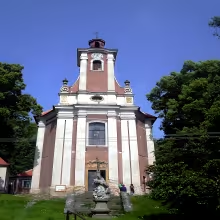
The Church of Saint Isidore in Luleč is an outstanding example of Baroque architecture set within the rural landscapes of Jihomoravský kraj, Czech Republic. Built in 1739 on the site of a former chapel dedicated to Saint Gotthard, this Roman Catholic parish church holds cultural heritage status in the Czech Republic. Its dedication to Saint Isidore and its role as a center for local religious activities make it an important destination for those interested in history and spirituality.
The origins of the Church date back to the early 18th century when Bohemia was part of the Habsburg Monarchy. During this time, Baroque influences spread across Europe, reflecting the Counter-Reformation's impact on religious architecture. The church replaced an earlier chapel dedicated to Saint Gotthard, marking a shift in architectural style and spiritual focus for the community.
Architecturally, the Church exemplifies Baroque design with its grandeur and intricate details. Constructed in the early 18th century, it has preserved its architectural integrity since then. Its design features typical Baroque elements such as dynamic shapes and elaborate ornamentation, common in religious buildings of that era.
Throughout its history, the Church has remained central to the local community's spiritual life. A significant event is the celebration on September 21st, known as the day for mutual prayers by parishes for seminarians and vice versa within the Brno diocese. This tradition highlights the church's role in promoting religious education and strengthening community ties.
Today, the Church of Saint Isidore continues to serve as a vital parish church within the Roman Catholic parish of Luleč. Its status as a cultural heritage site ensures its preservation for future generations. Visitors are attracted not only by its historical significance but also by its peaceful rural setting, offering insight into the region's rich cultural tapestry.
The Church of Saint Isidore is more than an architectural landmark; it is a living testament to Luleč's enduring spiritual and cultural heritage. Its Baroque elegance and historical importance make it a must-visit for those exploring the Jihomoravský kraj region, providing insights into both past and present religious life in the community.
Historical milestones
- 1739
- Construction of the Church of Saint Isidore in Luleč.
- c. 1700
- The spread of Baroque architecture across Europe.
- Late 17th century - early 18th century
- Influence of the Counter-Reformation on religious architecture.
- 21.9
- Day of mutual prayers for seminarians by parishes in the Diocese of Brno.
Architectural development
Originally built on the foundations of a chapel dedicated to Saint Gotthard, the Church of Saint Isidore was constructed in the baroque style during the early 18th century. The church has maintained its architectural integrity since its construction.
Historical events
The church was constructed in 1739, replacing an earlier chapel.
21st September is celebrated as a day of mutual prayers by parishes for seminarians and vice versa within the Brno diocese.
Points of interest
– The Church of Saint Isidore was built on the site of a former chapel dedicated to Saint Gotthard, reflecting an interesting shift in spiritual focus and architectural style from the early 18th century.
– Despite its Baroque grandeur, the church has maintained its original design features without major renovations since its construction in 1739, showcasing remarkable preservation efforts over nearly three centuries.
Guide
Show guide text
Welcome to the Church of Saint Isidore in Luleč! As you stand before this majestic baroque parish church, take a moment to soak in its grandeur and historical significance. Built in 1739 on the site of an earlier chapel dedicated to Saint Gotthard, this church is not just a place of worship but also a cultural treasure within the Roman Catholic parish of Luleč.
Let's delve into its origins. The construction of this church marks a fascinating period in history when baroque architecture was spreading across Europe around 1700. This era was characterized by dramatic expressions and grandeur, reflecting the influence of the Counter-Reformation on religious architecture between the late 17th and early 18th centuries.
As you look at the church now, notice its baroque features that have stood the test of time. The design elements from this period are evident in its structure, maintaining the original architectural style without modern alterations—a testament to its enduring legacy.
While specific architects remain unknown, the church's history is intertwined with the local community and broader religious movements. It continues to serve as a significant site for spiritual gatherings, such as the Day of Mutual Prayers for Seminarians on September 21st, fostering a sense of unity within the Diocese of Brno.
An intriguing aspect of this church lies in its transformation from a chapel dedicated to Saint Gotthard to one honoring Saint Isidore. This shift not only reflects changes in spiritual focus but also highlights an architectural evolution that mirrors broader historical currents.
As you conclude your visit, I invite you to explore further and discover more about the rich history and cultural heritage of Luleč. Thank you for joining me on this journey through time at the Church of Saint Isidore. Safe travels as you continue your exploration!
Businesses nearby
Do you run a restaurant, accommodation, shop, museum, rental, wellness or other visitor service near this monument? Show yourself directly to the people heading to it — this is how they will see you in the app and on the web:
Nearby
The church is situated in Luleč, within the Jihomoravský kraj region. The surrounding area includes typical rural landscapes and other local cultural sites.
Accommodation nearby
Trips and activities nearby
Guided tours, tickets and activities nearby from GetYourGuide
Search tours and activities →Themed route
Thematic Walking Tour: Luleč and its Cultural Heritage
1. Kostel svatého Isidora (Luleč) - Church - *Type:* Religious Site - *Why Visit:* Begin your journey at the heart of Luleč with this historic church dedicated to Saint Isidorus. The architecture reflects centuries-old traditions, offering a glimpse into the region's religious heritage and serving as a central point for local cultural gatherings.
2. Local Cultural Sites in Luleč - *Type:* Cultural Landmarks - *Why Visit:* Explore various local cultural sites scattered around Luleč that showcase traditional rural life. These spots highlight the community’s dedication to preserving its unique customs and history, providing insight into daily life in this picturesque part of Jihomoravský kraj.
3. Rural Landscapes Surrounding Luleč - *Type:* Scenic Area - *Why Visit:* Stroll through the typical rural landscapes that envelop Luleč. The serene countryside offers a peaceful retreat and an opportunity to appreciate the natural beauty of Jihomoravský kraj, characterized by rolling fields and traditional farming practices.
This tour encapsulates the essence of Luleč, blending its religious significance with cultural richness and natural charm.
Seasonal recommendations
Spring: As the snow melts and the first buds of spring appear, Luleč's Church of Saint Isidore is enveloped in a gentle atmosphere of renewal. The soft light filtering through budding trees creates a serene ambiance that enhances the church’s historical charm. During this time, nature begins to awaken around the site, offering visitors picturesque views as they explore the surrounding landscapes. It's advisable to wear comfortable layers, as temperatures can vary significantly between morning and afternoon. While crowds are generally manageable in early spring, arriving earlier in the day is recommended to fully appreciate the tranquil setting before more visitors arrive.
Summer: The Church of Saint Isidore shines under the bright summer sun, with lush greenery surrounding it providing a vibrant backdrop for exploration. This season is characterized by longer days and an abundance of natural light that highlights the architectural details of the church. It's the peak tourist season, so expect larger crowds, especially during weekends and holidays. To avoid the midday heat and throngs of visitors, plan your visit in the early morning or late afternoon. Light clothing and comfortable shoes are recommended for walking through Luleč’s scenic landscapes.
Autumn: Autumn brings a spectacular display of colors to the area around the Church of Saint Isidore as leaves turn vibrant shades of red, orange, and yellow. The cooler temperatures create an ideal atmosphere for leisurely strolls and photography, with the soft autumn light casting a warm glow over the church’s historic façade. As the season progresses into late fall, days become shorter, so it's wise to start your visit earlier in the day. Layered clothing is advisable to accommodate fluctuating temperatures throughout the day.
Winter: The Church of Saint Isidore takes on an ethereal quality during winter, as snow blankets the landscape and creates a quiet, contemplative atmosphere around this historic site. Shorter days mean that daylight hours are limited, so planning your visit for midday when there is more natural light is ideal. Winter weather can be unpredictable, with temperatures often dropping significantly, so warm clothing and sturdy footwear are essential. While fewer tourists venture out in the colder months, it's a perfect time to enjoy the church’s beauty without the hustle of peak tourist seasons.
Visualizations and artistic views

Vizualizace jsou generovány umělou inteligencí a slouží jako inspirace.

Tips from visitors
No tips yet. Be the first!
Log in and add your tip.



Reviews and comments