






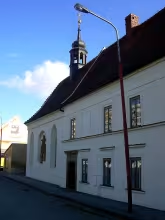
The Chapel of Saint Anne in Vyškov-Předměstí is a notable historical monument located in the town within the Vyškov District of the South Moravian Region. This simple yet significant chapel stands as a testament to the resilience and cultural heritage of the area, having been completed by at least 1584. Its survival through a devastating fire in 1753 that ravaged the city highlights its historical importance. Today, it is under the care of the Vyškov Museum, serving both as a repository for stone artifacts and an architectural relic from a pivotal era.
The chapel's origins date back to when Bohemia was part of the Habsburg Monarchy, experiencing religious tensions following the Protestant Reformation. During this time, significant cultural and architectural developments were taking place across the region. The construction of the Chapel of Saint Anne reflects these broader historical currents, with its completion by 1584 marking it as an enduring piece of late Renaissance architecture in Moravia.
Architecturally, the chapel is a simple single-nave building with an oblong shape, featuring a pentagonal presbytery at the eastern end. Its façade includes a niche containing a sculpture group from 1897 depicting the Crucifixion, adding artistic value to its historical significance. Over time, the chapel underwent modifications, including the addition of a sacristy in the first half of the 18th century. In 1999, restoration efforts were undertaken to repair and conserve various architectural elements, such as the stucco façade and sandstone components.
Ownership and administration of the chapel have seen significant changes over time. It became municipal property in 1974 and was subsequently transferred to the management of the Vyškov Museum in 1981. This transition underscores its cultural value, as it now serves not only as a historical monument but also as a repository for stone artifacts intended for a future lapidarium.
Key events in the chapel's history include its survival of the 1753 fire that devastated much of the city, leaving it unscathed and preserving its architectural integrity. This resilience is a testament to its construction quality and historical significance. The chapel continues to house important cultural artifacts, further enhancing its role as a custodian of regional heritage.
Today, the Chapel of Saint Anne remains an accessible site for visitors interested in exploring Moravian history and architecture. Its preservation under the Vyškov Museum ensures that it is maintained as both a historical monument and a cultural repository. Visitors are invited to appreciate its architectural simplicity, historical resilience, and the artifacts it houses, making it a worthwhile destination for those keen on understanding the region's past.
The Chapel of Saint Anne stands not only as a relic of architectural history but also as a symbol of endurance through turbulent times. Its continued preservation allows visitors to connect with the rich cultural tapestry of Vyškov-Předměstí and Moravia, offering insights into an era marked by significant historical developments. A visit to this chapel promises a journey through time, inviting exploration and appreciation of its enduring legacy.
Historical milestones
- 1584
- The Chapel of Saint Anne was completed.
- 1753
- The chapel survived the fire that destroyed the town.
- first half of the 18th century
- A sacristy was added to the chapel.
- 1974
- The chapel became the property of the municipality.
- 1981
- Management was transferred to the Vyškov Museum.
- 1999
- The restoration and conservation of the chapel were carried out.
Architectural development
Originally built with a simple design, the chapel underwent significant changes over time. A sacristy was added in the first half of the 18th century. In 1999, restoration work included repairing the stucco façade and conducting conservation efforts on various architectural elements.
Historical events
The chapel's construction was completed by at least 1584, as evidenced by an inscription in its vault.
In 1753, a destructive fire ravaged the city, but the Chapel of Saint Anne remained unharmed.
Owners
The chapel became municipal property in 1974 and was transferred to the management of the Vyškov Museum in 1981.
Points of interest
- The Chapel of Saint Anne is believed to have been built using stones from older structures in the area, which were dismantled during its construction, adding layers of historical significance to its walls.
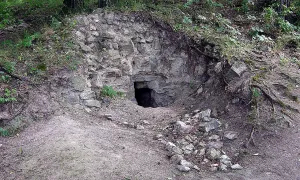
- Legend has it that a hidden tunnel once connected the chapel to another part of Vyškov-Předměstí, used by locals to safely transport religious artifacts during times of conflict and unrest.
Guide
Show guide text
Welcome to the historic Chapel of Saint Anne in Vyškov-Předměstí. As you stand here, take a moment to absorb the serene presence of this simple yet significant structure before you. Its single-nave design and oblong shape are complemented by a distinctive pentagonal presbytery at the east end, creating an inviting atmosphere that has withstood the test of time.
The chapel's origins date back to 1584 when it was completed, serving as a spiritual haven for the local community. Remarkably, during the devastating fire of 1753 that engulfed much of Vyškov-Předměstí, this chapel stood unscathed—a testament to its resilience and significance.
As you look around, notice the niche on the wall, which houses a sculpture group from 1897 depicting the Crucifixion. This poignant artwork adds depth to the chapel's historical narrative, inviting reflection on both faith and history.
In the first half of the 18th century, the chapel was expanded with the addition of a sacristy, further enhancing its capacity to serve the community. Over time, it became part of the town's heritage, eventually coming under the care of the Vyškov Museum in 1981. This stewardship has ensured that the chapel remains preserved for future generations.
Now, let your curiosity guide you as we delve into one of the chapel’s intriguing mysteries. Legend whispers of a hidden tunnel once connecting this sacred space to another part of Vyškov-Předměstí—a secret passage lost to time but alive in local lore.
As our journey through history draws to a close, take a moment to appreciate how this modest structure has witnessed centuries unfold. The chapel's walls, believed to be constructed from stones repurposed from older structures in the area, carry layers of stories waiting to be discovered.
We invite you to continue exploring Vyškov-Předměstí and uncover more hidden gems as you delve deeper into its rich history. Thank you for joining us on this journey through time at the Chapel of Saint Anne. Safe travels as you continue your exploration!
Tips for visitors
The best time to visit the Chapel of Saint Anne is during late spring or early autumn when the weather is mild, and the surrounding landscape is lush with greenery. These seasons offer pleasant temperatures for walking around Vyškov-Předměstí and enjoying outdoor activities. Additionally, visiting outside peak tourist seasons can provide a more tranquil experience, allowing you to appreciate the chapel's serene atmosphere without large crowds.
Parking and transportation options are convenient for visitors coming to see the Chapel of Saint Anne. There is parking available in the vicinity, though it’s advisable to arrive early or during off-peak hours to secure a spot easily. Public transport can also be used to reach Vyškov-Předměstí; however, specific routes and schedules should be checked in advance using a transportation search tool to ensure a smooth journey.
When planning your visit, consider bringing comfortable walking shoes as you may wish to explore the area around the chapel or nearby attractions. A camera is recommended for capturing the picturesque views and unique features of the chapel, such as its simple yet elegant architecture and the 1897 sculpture group in the niche. Early morning or late afternoon light can provide beautiful natural lighting conditions for photography.
For families with children, visiting the Chapel of Saint Anne can be an enriching experience. The open space around the chapel is suitable for a leisurely stroll, allowing kids to explore their surroundings safely. Engaging them with stories about the history and significance of the chapel can make the visit more interesting. Additionally, nearby attractions within 30 minutes offer further opportunities for family activities and exploration.
Businesses nearby
Do you run a restaurant, accommodation, shop, museum, rental, wellness or other visitor service near this monument? Show yourself directly to the people heading to it — this is how they will see you in the app and on the web:
Accommodation nearby
Trips and activities nearby
Guided tours, tickets and activities nearby from GetYourGuide
Search tours and activities →Themed route
Tematická výletní trasa: Kaple svaté Anny a její okolí
1. Kaple svaté Anny (Vyškov-Předměstí) - Kaple Začněte svůj výlet u kaple svaté Anny, která je nejen architektonickou perli obce Vyškov-Předměstí, ale také historickým místem s bohatou minulostí. Tato malebná kaple nabízí zároveň klidné prostory k odpočinku a krásný pohled na okolní krajinu.
2. Kaplička svatého Jiljí (Vyškov-Předměstí) - Kaplička Přibližně 500 metrů od kaple svaté Anny najdete kapličku svatého Jiljí. Tato malá, ale významná kaplička je známá pro svou historickou hodnotu a poskytuje další pohled na místní náboženské tradice. Je to ideální místo pro krátkou meditaci nebo zamyšlení.
3. Náves Vyškov-Předměstí - Místní centrum Následujte trasu směrem k návsi obce, která slouží jako srdce Vyškov-Předměstí. Toto místo je skvělým příležitostí prozkoumat místní atmosféru a navštívit tradiční české hospody nebo obchodky, kde si můžete zakoupit suvenýry nebo jen prohlédnout.
4. Městská zahrada (Vyškov-Předměstí) - Zahrada Konečnou zastávkou naší trasy je místní městská zahrada, která se nachází nedaleko návsi. Tento klidný prostor nabízí možnost procházet mezi květinami a stromy, což dokončuje vaši cestu poznáním přírodní krásy oblasti Vyškov-Předměstí.
Tato trasa vám umožní nejen objevit hlavní památku kaple svaté Anny, ale také se ponořit do místní kultury a přírody obce Vyškov-Předměstí.
Seasonal recommendations
Spring: The chapel of Saint Anne in Vyškov-Předměstí offers a refreshing experience during spring as the surrounding landscape bursts into vibrant colors with blooming flowers and fresh greenery. This season is characterized by mild temperatures and longer daylight hours, creating an ideal atmosphere for leisurely exploration. Visitors can enjoy the soft morning light that enhances the chapel's architectural details. To make the most of your visit, consider wearing comfortable walking shoes to explore nearby trails and bring a light jacket in case of cooler mornings or evenings. Arriving early helps avoid larger crowds as tourists begin to flock to outdoor sites with the warmer weather.
Summer: Summer at Saint Anne’s Chapel is marked by lush landscapes and warm sunshine that highlight the beauty of this historic site. The long days provide ample time for visitors to enjoy both indoor and outdoor activities, though it's essential to be mindful of potential crowds during peak tourist season. To ensure a comfortable visit, dress in light clothing and bring sunscreen, hats, or sunglasses to protect against the sun’s rays. Arriving early in the morning can help avoid the midday heat and larger groups, allowing for a more peaceful experience.
Autumn: Autumn transforms the chapel's surroundings into a picturesque scene with rich hues of reds, oranges, and yellows as leaves change color. The cooler temperatures make it an ideal time to visit without the summer crowds, offering a serene atmosphere perfect for reflection or photography. As daylight hours shorten, visitors should plan their visits accordingly, perhaps taking advantage of the golden hour light that beautifully illuminates the chapel’s façade. Layered clothing is recommended to stay comfortable as temperatures can vary throughout the day.
Winter: Visiting Saint Anne's Chapel in winter offers a unique and tranquil experience with snow-covered landscapes creating a magical setting around this historic site. The cooler weather means fewer visitors, allowing for an intimate exploration of the chapel’s interior and exterior beauty. However, shorter days mean planning is crucial; ensure you arrive during daylight hours to fully appreciate the site. Dress warmly in layers and wear sturdy footwear suitable for potentially icy conditions. This season provides a peaceful backdrop ideal for those seeking a quiet retreat from the hustle and bustle of busier times.
Visualizations and artistic views


Vizualizace jsou generovány umělou inteligencí a slouží jako inspirace.


Tips from visitors
No tips yet. Be the first!
Log in and add your tip.


Reviews and comments