





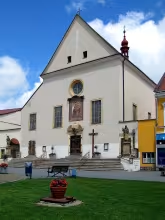
The Church of the Assumption of the Virgin Mary and Saints Cyril and Methodius in Kyjov stands as a prominent late Baroque structure dominating the northern part of Masaryk Square. Constructed between 1713 and 1720 according to Capuchin regulations, it has served as a parish church since 1784 and is recognized as a cultural monument in the Czech Republic. Its architectural significance and historical context make it an important site for those interested in religious history and Baroque architecture.
The origins of this church trace back to the early 17th century when Kyjov was under the ownership of the Premonstratensian monastery Hradisko. Following the Battle of White Mountain in 1621, nobleman Jiří Pogrel lost his property due to confiscation by Emperor Ferdinand II. In 1626, as a condition for granting this confiscated property to the town, Ferdinand II mandated the construction of a church dedicated to the Virgin Mary and Moravian patrons Cyril and Methodius. However, financial constraints delayed this project by nearly a century.
The early 18th century marked a turning point with Kyjov's aspirations for urban development and increased trade. The arrival of the Capuchin order in 1710 was pivotal; they were known for their simple yet functional architectural style, which aligned well with the town’s financial limitations. Key figures like Edmund Wendorf played crucial roles by advocating for a Capuchin monastery and church. This decision aimed to enhance Kyjov's religious presence and served as a counter-reformation measure.
Architecturally, the Church of the Assumption was built following late Baroque principles with an emphasis on simplicity and functionality, reflecting the Capuchin order’s design ethos. The construction adhered strictly to their regulations, resulting in a structure that is both modest and elegant. This period marked significant urban development for Kyjov, as the church became a central feature of Masaryk Square.
Throughout its history, the church has witnessed various administrative changes. Initially planned by Cardinal Dietrichstein, it was eventually realized under the Capuchin order's guidance. The church’s role evolved over time, becoming a parish church in 1784 and gaining cultural monument status due to its historical and architectural significance.
The church is not only an architectural marvel but also a site of historical curiosity. Its delayed construction reflects the financial challenges faced by Kyjov, while the Capuchin influence introduced new religious dynamics into the town. The erection of a statue dedicated to the Assumption of the Virgin Mary near the town hall further underscores the lasting impact of the Capuchin order.
Today, the Church of the Assumption remains an accessible and significant cultural site in Kyjov. Its preservation as a cultural monument ensures that visitors can appreciate its historical importance and architectural beauty. For those interested in exploring the religious and architectural heritage of South Moravia, this church offers a compelling glimpse into the past while standing proudly in the present.
Visitors are invited to explore this remarkable site, where history and architecture converge, offering insights into Kyjov's rich cultural tapestry. The Church of the Assumption of the Virgin Mary and Saints Cyril and Methodius is not just a place of worship but a testament to the enduring legacy of faith and community in Kyjov.
Historical milestones
- 1621
- Battle of White Mountain; Jiří Pogrel loses property.
- 1626
- Emperor Ferdinand II mandates church construction in Kyjov.
- 1710
- Capuchin order arrives in Kyjov, influencing architecture.
- 1720
- Construction of the Church of the Assumption completed.
- 1784
- Church becomes a parish church.
Architectural development
The church was constructed between 1713 and 1720 following late Baroque architectural principles. The design adhered to the Capuchin order's regulations, emphasizing simplicity and functionality. This period marked a significant development in Kyjov's urban landscape.
Historical events
- 1626
- Emperor Ferdinand II granted property to Kyjov with the condition of building a church dedicated to the Virgin Mary and Moravian patrons Cyril and Methodius.
- 1710
- The Capuchin order arrived in Kyjov, marking the beginning of the construction of their monastery and church.
Points of interest
- The construction of the Church of the Assumption was delayed by nearly a century due to financial constraints following its initial mandate in 1626, reflecting the economic challenges faced by Kyjov during that period.
- Cardinal Dietrichstein originally planned for the church's construction, but it was ultimately realized under the Capuchin order’s guidance, illustrating how religious and political changes influenced the project's timeline and execution.
Guide
Show guide text
Welcome to the Church of the Assumption of the Virgin Mary and Saints Cyril and Methodius in Kyjov, a stunning testament to late Baroque architecture that majestically dominates the northern part of Masaryk Square. As you stand here, take a moment to absorb the grandeur of this structure. The church's intricate facade beckons your gaze, inviting you to delve into its rich history and architectural beauty.
The story of this church begins in 1626 when Emperor Ferdinand II mandated its construction, envisioning it as a spiritual beacon for Kyjov. However, financial constraints delayed its realization by nearly a century, reflecting the economic challenges faced by the town during that period. It wasn't until 1713, with the arrival of the Capuchin order in 1710, that the church's construction commenced and was completed in 1720. Since 1784, it has served as a parish church, standing proudly as a protected cultural monument in the Czech Republic.
As you look around, notice how the late Baroque style influences every detail of this architectural masterpiece. The church’s facade is adorned with intricate designs that capture the essence of its era, while the overall structure exudes an air of solemnity and grace. Although specific architects remain unknown, the influence of the Capuchin order is evident in the building's design and purpose.
The history of this church intertwines with notable figures such as Cardinal Dietrichstein, who originally planned for its construction, and Edmund Wendorf along with Řehoř z Frank, whose stories are woven into the fabric of Kyjov’s past. These historical personalities played pivotal roles in shaping not only the physical landscape but also the cultural and spiritual life of the community.
An intriguing aspect of this church's history is its delayed construction due to financial constraints following its initial mandate in 1626. This delay reflects a broader narrative of resilience and determination, as the people of Kyjov eventually brought their vision for this sacred space to fruition despite economic hardships.
As you conclude your visit here at this remarkable site, we invite you to explore further into Masaryk Square and beyond. Discover more about Kyjov's rich history and its architectural treasures. Thank you for joining us on this journey through time and beauty. We hope this experience has enriched your understanding of the Church of the Assumption of the Virgin Mary and Saints Cyril and Methodius, leaving you with lasting impressions to cherish.
Tips for visitors
The best time to visit the Church of the Assumption of the Virgin Mary and Saints Cyril and Methodius in Kyjov is during late spring or early fall. During these seasons, the weather is typically mild and pleasant, making it ideal for exploring both the church's architectural beauty and the surrounding landscapes. Additionally, visiting outside of peak tourist season allows you to enjoy a more tranquil experience without large crowds.
Parking and transportation options are available for visitors. There are parking facilities in Kyjov that can accommodate vehicles, though spaces might be limited during busy times. Public transport is also accessible, with buses connecting Kyjov to nearby areas. It's advisable to check the latest schedules and routes online before your visit to ensure a smooth journey.
When visiting the church, it's recommended to bring comfortable walking shoes as you may want to explore both the interior of the church and its surroundings. A camera or smartphone is also useful for capturing the stunning architecture and picturesque landscapes nearby. Additionally, consider bringing a light jacket or sweater, especially if visiting in spring or fall, as temperatures can vary.
For photography enthusiasts, some of the best spots include the northern part of Masaryk Square where the church stands prominently. The late afternoon offers soft lighting that enhances the Baroque details of the structure. Inside, capturing the intricate altar and frescoes provides a glimpse into the rich history and artistry of the period.
Nearby attractions within a 30-minute drive include other historical sites and natural features characteristic of South Moravia. Exploring these areas can complement your visit to Kyjov by offering additional cultural insights and scenic views, making for a well-rounded day trip.
Businesses nearby
Do you run a restaurant, accommodation, shop, museum, rental, wellness or other visitor service near this monument? Show yourself directly to the people heading to it — this is how they will see you in the app and on the web:
Nearby
Kyjov is surrounded by picturesque landscapes typical of South Moravia, with nearby natural features and other historical sites within a five-kilometer radius.
Accommodation nearby
Themed route
Thematic Walking Tour: Kyjov's Historical and Cultural Gems
1. Kostel Nanebevzetí Panny Marie a svatého Cyrila a Metoděje (Church) Begin your journey at the heart of Kyjov with this stunning Kostel Nanebevzetí Panny Marie a svatého Cyrila a Metoděje. This church is not only an architectural marvel but also holds significant cultural importance as it celebrates Saints Cyril and Methodius, who are revered for their role in spreading Christianity among the Slavic peoples. Its intricate design and historical relevance make it a must-visit.
2. Kyjov's Historic Town Square A short walk from the church will lead you to Kyjov's historic town square, a vibrant area that encapsulates the essence of South Moravian charm. The square is surrounded by traditional buildings, each telling stories of the past and offering a glimpse into the daily life of Kyjov’s residents over centuries. It serves as an excellent spot for relaxation or enjoying local cuisine.
3. Local Artisan Shops Continue your exploration by visiting nearby local artisan shops, which are within walking distance from the town square. These shops offer unique handmade crafts, traditional Moravian pottery, and exquisite textiles that reflect the rich cultural heritage of the region. They provide a wonderful opportunity to support local artisans while taking home a piece of Kyjov’s artistic legacy.
4. Traditional South Moravian Gardens Conclude your tour with a visit to traditional South Moravian gardens, which are just a short stroll from the artisan shops. These gardens showcase native flora and traditional gardening techniques, offering a serene environment for reflection. They highlight the region's connection to nature and provide an ideal setting to appreciate Kyjov’s picturesque landscapes.
This thematic walking tour offers a comprehensive experience of Kyjov’s historical and cultural treasures, ensuring you leave with a deeper appreciation of this charming South Moravian town.
Seasonal recommendations
Spring: The arrival of spring brings a gentle transformation to the Church of the Assumption of the Virgin Mary and Saints Cyril and Methodius, with blooming flowers and lush greenery enhancing its historic beauty. The soft morning light accentuates the intricate architectural details, creating an ethereal atmosphere perfect for photography enthusiasts. Visitors should consider wearing comfortable walking shoes as they explore the surrounding gardens that come alive during this season. While crowds are generally moderate in spring, arriving early can ensure a more tranquil experience.
Summer: In summer, the church is bathed in warm sunlight, highlighting its vibrant colors and intricate designs against clear blue skies. The nearby Kyjov area comes alive with cultural events and outdoor activities, making it an ideal time for those interested in experiencing local traditions. Visitors should dress in light layers to stay comfortable during their visit, as temperatures can rise significantly. To avoid the larger crowds that flock to this popular destination during peak tourist season, arriving early in the morning is recommended.
Autumn: Autumn transforms the church and its surroundings into a tapestry of warm hues, with golden leaves creating a picturesque setting. The cooler weather makes for comfortable exploration of both indoor and outdoor areas, while shorter days mean that visitors should plan their visit to make the most of daylight hours. This season is excellent for those who appreciate nature's beauty without the summer crowds. Layered clothing is advisable due to fluctuating temperatures, ensuring a pleasant experience as you admire the seasonal changes.
Winter: During winter, the church takes on a serene and almost mystical appearance under a blanket of snow, offering a unique perspective on its historic architecture. The colder months bring shorter days and reduced opening hours, so it's wise for visitors to check current times before planning their visit. Wearing warm clothing is essential, as temperatures can be quite low, especially in the evenings. Despite fewer tourists during this season, experiencing the church in winter provides a peaceful atmosphere ideal for reflection and appreciation of its timeless beauty.
Visualizations and artistic views

Vizualizace jsou generovány umělou inteligencí a slouží jako inspirace.


Tips from visitors
No tips yet. Be the first!
Log in and add your tip.



Reviews and comments