






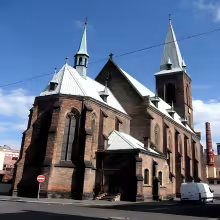
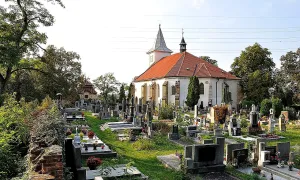
The Church of the Assumption of the Virgin Mary and St. Wenceslas in Kralupy nad Vltavou is a notable cultural monument located in the town within the Central Bohemian Region of the Czech Republic. Constructed between 1894 and 1895, this single-nave pseudo-Gothic brick church stands out for its architectural style and historical significance. It was built to facilitate Kralupy nad Vltavou's elevation to city status during a time when Bohemia was part of the Austro-Hungarian Empire and experiencing significant cultural developments.
The origin of this church is closely tied to the town's aspirations in the late 19th century. The construction was largely made possible by Dr. Eduard Tersche, a Prague provost who contributed approximately two-thirds of the costs. His support extended beyond financial aid; he also donated some furnishings, including an organ crafted by Em. Š. Petr featuring two manuals and sixteen stops. This philanthropy was instrumental in realizing the church's completion, which subsequently enabled Kralupy nad Vltavou to achieve city status.
Architecturally, the church is a testament to the Historicism movement, characterized by its revivalist style that draws from past architectural traditions. Designed initially by J. Kaure and later modified by A. Živný, the structure features a rectangular floor plan with a five-sided presbytery at one end, flanked by side annexes. The western façade is crowned by a striking 63-meter-high spire. Inside, visitors are greeted by an interior adorned with cross-ribbed vaulting and neo-Gothic furnishings from the late 19th century, creating a harmonious blend of form and function.
Throughout its history, the church has witnessed several key events that have left their mark on both the structure and its community. Notably, it was consecrated on October 27, 1895, by Dr. Eduard Tersche himself, who also delivered the sermon during the ceremony. The church's bells, replaced in 1991 with new ones purchased by the company Kaučuk, have been a part of its identity for over a century. These bells, along with the church itself, are celebrated in some poems by Jaroslav Seifert, highlighting their cultural resonance.
The exterior of the church bears witness to significant historical events through two memorial plaques. One commemorates the victims of an air raid in 1945, while another marks the flood level from a devastating event in 2002. These plaques serve as poignant reminders of the challenges faced by the community and its resilience over time.
Today, the Church of the Assumption of the Virgin Mary and St. Wenceslas remains accessible to visitors interested in exploring its architectural beauty and historical depth. As a protected cultural monument, it offers insights into the rich heritage of Kralupy nad Vltavou and the broader region. Its unique blend of architectural styles and historical significance makes it a worthwhile destination for those keen to delve into Czech history and culture.
In conclusion, this church is not only an architectural marvel but also a symbol of community spirit and resilience. It invites visitors to appreciate its historical context and artistic form while reflecting on the stories embedded in its walls. Whether drawn by its neo-Gothic elegance or intrigued by its storied past, a visit promises a rewarding experience.
Historical milestones
- 1895
- The church was consecrated on October 27, 1895, by Dr. Eduard Tersche who also preached during the ceremony.
- 1991
- New bells were installed on the tower in 1991, purchased by the company Kaučuk.
Architectural development
The church was designed by J. Kaure and later modified by A. Živný. It features a rectangular floor plan with a five-sided presbytery, side annexes, and a spire in the western façade. The interior is adorned with neo-Gothic elements from the late 19th century.
Historical events
The construction of the church was completed in 1895, enabling Kralupy nad Vltavou to be elevated to city status.
Dr. Eduard Tersche, a Prague provost, donated approximately two-thirds of the construction costs and some furnishings, including an organ with two manuals and sixteen stops by Em. Š. Petr.
Points of interest
- The Church of the Assumption of the Virgin Mary and St. Wenceslas was pivotal in Kralupy nad Vltavou's elevation to city status, reflecting its importance beyond just religious functions during a transformative period in Bohemia.
- Dr. Eduard Tersche not only funded two-thirds of the church’s construction but also donated an organ by Em. Š. Petr with two manuals and sixteen stops, showcasing his deep personal investment in the community's cultural development.
Guide
Show guide text
Welcome to the historic Church of the Assumption of the Virgin Mary and St. Wenceslas in Kralupy nad Vltavou. As you stand before this magnificent structure, take a moment to absorb its grandeur—a single-nave pseudo-Gothic brick building that commands attention with its striking presence.
This church was constructed between 1894 and 1895, during a period of transformation in Bohemia, reflecting both cultural aspirations and religious devotion. Designed by architects J. Kaure and A. Živný, it stands as a testament to the architectural ambitions of its time. The building's orientation is unique; its presbytery faces north, an intriguing choice that adds to its distinct character.
As you gaze at the church, notice the impressive height of its tower, soaring 63 meters into the sky—a beacon for both locals and visitors alike. Inside, the cross-ribbed vaulting creates a captivating atmosphere, enhancing the spiritual aura of this sacred space.
The consecration of the church on October 27, 1895, by Dr. Eduard Tersche marked a significant moment in its history. Not only did he play a pivotal role as the preacher during the ceremony, but his generous contributions also funded two-thirds of the construction costs, underscoring his deep commitment to this community.
Beyond its religious functions, the church played an instrumental role in Kralupy nad Vltavou's elevation to city status. This highlights its importance not just as a place of worship but as a cornerstone of civic pride and development during that era.
A fascinating tidbit about this landmark is the installation of new bells in 1991 by the company Kaučuk, adding another layer to its storied history.
As you continue your exploration, let yourself be drawn into the rich tapestry of stories and architectural details surrounding this cultural monument. Each step through its grounds invites a deeper appreciation for the people and events that have shaped its legacy.
Thank you for joining us on this journey through time at the Church of the Assumption of the Virgin Mary and St. Wenceslas. We hope your visit has been enlightening, inspiring you to delve further into the history and beauty that Kralupy nad Vltavou offers. Safe travels as you continue your exploration!
Tips for visitors
The best time to visit the Church of the Assumption of the Virgin Mary and St. Wenceslas is during late spring or early autumn when the weather is pleasant, allowing for a comfortable exploration of both the church's interior and its surroundings. These seasons offer ideal lighting conditions for photography and are less crowded than summer months, providing a more serene experience. Additionally, visiting on weekdays can ensure a quieter visit.
Parking near the church is limited, so it's advisable to use public transportation when possible. The area around Kralupy nad Vltavou is accessible by train from Prague, with further connections available via local buses or trams. For those driving, nearby parking options should be researched in advance, and always check for any restrictions or fees. Remember, the best way to confirm current transport links is through a reliable online search.
When visiting, it's recommended to bring comfortable walking shoes as you may wish to explore the area around the church further. A camera is also advisable if you're interested in capturing the unique pseudo-Gothic architecture of the building and its surroundings. Since weather can be unpredictable, especially during transitional seasons, carrying a light raincoat or umbrella could be beneficial.
For photography enthusiasts, the best spots to capture the essence of this church are from the front entrance for wide shots that encompass its architectural style, and inside for detailed photographs of the interior features. Early morning or late afternoon provides soft natural lighting that enhances the building's textures. Always check if photography is permitted inside the church.
For families with children visiting the Church of the Assumption of the Virgin Mary and St. Wenceslas, consider planning a visit to nearby attractions within a 30-minute radius as part of your itinerary. While specific places are not detailed in the provided information, exploring local parks or historical sites can be both educational and entertaining for children. Always check ahead for any family-friendly activities or events that might coincide with your visit.
Nearby, visitors can explore attractions within a 30-minute drive from Kralupy nad Vltavou. The area is rich in history and natural beauty, offering various opportunities to enjoy the Czech countryside. While specific places are not mentioned here, local historical sites or nature trails could provide an enriching experience for those interested in extending their visit beyond the church.
Businesses nearby
Do you run a restaurant, accommodation, shop, museum, rental, wellness or other visitor service near this monument? Show yourself directly to the people heading to it — this is how they will see you in the app and on the web:
Accommodation nearby
Trips and activities nearby
Guided tours, tickets and activities nearby from GetYourGuide
Search tours and activities →Themed route
Tematická výletní trasa: Kralupy nad Vltavou
1. Kostel Nanebevzetí Panny Marie a svatého Václava (Kralupy nad Vltavou) *Typ:* Historická památka *Proč stojí za návštěvu:* Tento barokní kostel je nejen architektonickým dílem, ale také svědkem bohaté historie Kralup nad Vltavou. Jeho významná varhanní mše a krásné interiér jsou nespornými atrakcemi pro milovníky dějin a umění.
2. Náměstí Svobody (Kralupy nad Vltavou) *Typ:* Městské náměstí *Proč stojí za návštěvu:* Toto centrální městské náměstí nabízí pohled na historický vzhled Kralup. Je to místo, kde se setkávají tradice a modernita, idealní pro relaxaci nebo prohlídku obchodů a restaurací.
3. Naděje (Kralupy nad Vltavou) *Typ:* Historický most *Proč stojí za návštěvu:* Most Naděje je významnou částí místní infrastruktury a historie. Překračuje řeku Vltavu a spojuje různé části města, nabízejíc krásné pohledy na okolí z obou stran.
4. Kostel Nanebevzetí Panny Marie (areál kostela) *Typ:* Expozice a park *Proč stojí za návštěvu:* Navštivte areál kolem kostela, kde můžete prozkoumat jeho parkové zóny. Jsou to klidné místa pro odpočinek a krásný pohled na okolní krajinu, což dokonale doplňuje návštěvu samotného kostela.
Tato trasa nabízí kombinaci historických památek a klidných míst pro relaxaci, idealně ukazující bohatou kulturu a přírodní krásy Kralup nad Vltavou.
Seasonal recommendations
Spring: The spring season at the Church of the Assumption of the Virgin Mary and St. Wenceslas in Kralupy nad Vltavou is marked by a vibrant display of nature as cherry blossoms and other flowers begin to bloom, creating an enchanting atmosphere around the historic church. The soft morning light enhances the architectural details, making it an ideal time for photography enthusiasts. Visitors should be aware that this period can attract more tourists due to the pleasant weather, so arriving early in the day is advisable to avoid larger crowds. Comfortable walking shoes and a light jacket are recommended, as temperatures can still vary.
Summer: During summer, the church basks in long daylight hours, offering warm golden hues that beautifully illuminate its gothic architecture. The lush greenery surrounding the site provides a serene backdrop for visitors seeking respite from the bustling city life. This is also peak tourist season, so planning your visit during early mornings or late afternoons can help avoid the crowds. Sunscreen and light clothing are essential to stay comfortable in the summer heat, and carrying water is advisable.
Autumn: Autumn brings a spectacular transformation as the surrounding landscape turns into shades of orange, red, and gold, offering a picturesque setting for visitors exploring the church grounds. The cooler temperatures make it an ideal time to enjoy outdoor activities without the discomfort of summer heat. While the number of tourists decreases compared to summer, arriving early can still ensure a more peaceful experience. Layered clothing is recommended to adapt to fluctuating temperatures throughout the day.
Winter: In winter, the Church of the Assumption of the Virgin Mary and St. Wenceslas presents a serene and mystical charm with snow-dusted surroundings that enhance its gothic features. The shorter days mean limited visiting hours, so it’s wise to check opening times in advance. Winter attire is crucial; visitors should dress warmly with coats, hats, gloves, and scarves to comfortably explore the site. Despite fewer tourists, the chilly weather can make outdoor exploration brief, making this a perfect time for those who appreciate quieter visits.
Visualizations and artistic views

Vizualizace jsou generovány umělou inteligencí a slouží jako inspirace.

Tips from visitors
No tips yet. Be the first!
Log in and add your tip.


Reviews and comments