





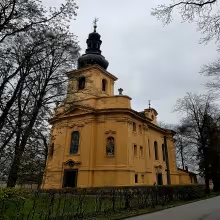
The Church of the Nativity of St. John the Baptist in Osov is a well-preserved Baroque structure along the Berounka River. Known for its architectural splendor and historical significance, this church exemplifies Bohemia's cultural prosperity during the early 18th century under the Habsburg Monarchy. It reflects the era's focus on religious devotion and artistic expression.
The church's origins trace back to between 1734 and 1738 when Jan Adolf Kaunic commissioned its construction. He owned the estate from 1677, making Osov the main seat of his family with Skřipel as a subsidiary. The need for a new church arose due to the deteriorating condition of an older Romanesque-Gothic church in nearby Skřipel, which could no longer serve the growing population. Construction began on April 18, 1734, and concluded four years later when Zikmund Ignác Quardinian consecrated it on September 28, 1738.
Architecturally, the Church of St. John the Baptist is a Baroque masterpiece designed by Italian architects Bartolomeo Scotti and Anselmo Martin Lurago. It features a single-nave structure with an oblong plan and a rounded presbytery. Built on deep oak pile foundations for stability, its western façade includes a central risalit with a portal displaying the Kaunic family crest from 1737. Inside, visitors find intricate stucco work and chiaroscuro paintings that enhance the spiritual ambiance. Frescoes by de Pini depict scenes such as the Nativity and Death of St. John the Baptist, while the presbytery features a fresco of God the Father surrounded by angels.
The Kaunic family has been closely linked to the church's ownership and administration. In 1741, Jan Adolf Kaunic requested an independent parish be established in Osov, with Skřipel as a subsidiary village. The church includes sculptures by František Ignác Weiss, considered some of his finest works. Notable pieces are statues of St. Wenceslas and St. Adolphus, showcasing the skill and artistry prevalent in Prague during the 1740s.
Today, the Church of the Nativity of St. John the Baptist remains a vital cultural landmark. Its bright interior, lit by fifteen large and five smaller windows, offers a cheerful atmosphere to visitors. The church's historical significance and architectural beauty make it an essential destination for those interested in Baroque art and Bohemian history. As one of the most well-preserved structures on Berounka, it continues to captivate with its timeless elegance and spiritual resonance.
Historical milestones
- 1734
- Zahájení stavby kostela Narození sv. Jana Křtitele.
- 1738
- Kostel byl zasvěcen Zikmundem Ignácem Quardinianem.
- 1741
- Jan Adolf Kaunic požádal o nezávislé farní obvod v Osově.
Architectural development
Constructed between 1734 and 1738, the church is a single-nave building with an oblong plan and rounded presbytery. It features deep foundations supported by oak piles. The western façade includes a central risalit with a portal bearing the Kaunic family crest. The interior boasts stucco decorations and frescoes by de Pini.
Historical events
- 1734
- Construction began on April 18.
- 1738
- The church was consecrated by Zikmund Ignác Quardinian on September 28.
Owners
The estate belonged to the Kaunic family starting in 1677, with Osov becoming the main seat and Skřipel a subsidiary. The church became part of an independent parish established in 1741.
Points of interest
- The Church of the Nativity of St. John the Baptist's construction was overseen by Italian architects Bartolomeo Scotti and Anselmo Martin Lurago, bringing a touch of Italian Baroque style to Bohemia.
- The church features sculptures by František Ignác Weiss, whose works in Osov are considered some of his finest, highlighting Prague's artistic influence during the 1740s.
- A unique architectural feature is the deep oak pile foundations used for stability, which reflect innovative building techniques of the time to ensure longevity along the Berounka River.
Guide
Show guide text
Welcome to the Church of the Nativity of St. John the Baptist in Osov, a magnificent testament to Baroque architecture nestled along the serene banks of Berounka River. As you stand here, take a moment to absorb the grandeur that unfolds before your eyes—a harmonious blend of intricate design and historical significance.
The story of this church begins in 1734 when its construction was initiated under the patronage of Jan Adolf Kaunic. Designed by renowned Italian architects Bartolomeo Scotti and Anselmo Martin Lurago, the building process spanned four years, culminating in a consecration ceremony in 1738 led by Zikmund Ignác Quardinian. This period marked an era when Baroque architecture was flourishing across Europe, characterized by dramatic expressions and grandeur—a style that these architects masterfully brought to Bohemia.
As you explore further, notice the exquisite stucco work adorning the church's interior. The interplay of light and shadow in its chiaroscuro paintings captures your attention, creating a dynamic visual experience. These elements are complemented by sculptures from František Ignác Weiss, whose artistry adds depth and character to this sacred space.
The history of this place is woven with stories of influential figures like Jan Adolf Kaunic, who not only commissioned the church but also sought an independent parish for Osov in 1741. His vision and patronage were instrumental in shaping this iconic structure that stands as a testament to his legacy.
One intriguing aspect of this church is its embodiment of Italian Baroque style within Bohemia—a fusion of cultures and artistic expressions brought forth by Scotti and Lurago's architectural genius. This cross-cultural influence adds layers of richness to the church, making it not just a place of worship but also a symbol of historical confluence.
As you continue your visit, let the atmosphere envelop you—feel the history resonating through its walls and be inspired by the stories that have unfolded within this sacred space. We invite you to explore further, discovering more about its architectural nuances and the lives it has touched over centuries.
Thank you for joining us on this journey through time at the Church of the Nativity of St. John the Baptist in Osov. May your visit leave a lasting impression as you carry forward the stories and beauty of this remarkable place.
Tips for visitors
The best time to visit the Church of the Nativity of St. John the Baptist in Osov is during late spring or early autumn, when the weather is pleasant and the natural landscapes surrounding the church are particularly vibrant. This period also tends to be less crowded, allowing for a more serene experience. The soft light during these times enhances the Baroque architecture's intricate details, making it ideal for photography enthusiasts.
Parking and transportation options include both private vehicles and public transport. There is parking available near the site, but it's advisable to check current availability online or upon arrival. Public transport can also be used; however, specific routes and schedules should be verified through a local transit search tool. The church’s location north of Osov castle makes it accessible for those exploring the Berounka region.
When visiting, consider bringing comfortable walking shoes as you may wish to explore the surrounding natural landscapes. A camera is recommended to capture the stunning architecture and scenic views. Additionally, carrying a light jacket or sweater can be beneficial due to variable weather conditions in the area.
For photography enthusiasts, the best spots are around the church's façade and within its interior where the play of light accentuates the Baroque elements. Early morning or late afternoon provides the most flattering natural lighting for capturing both the structure and its surroundings. Be mindful of any restrictions on flash photography inside the church.
In terms of nearby attractions, consider visiting Osov Castle, which is a short drive away. The castle offers historical insights and picturesque views of the Berounka region. For families with children, this area provides ample space for exploration and outdoor activities amidst nature. Always check current accessibility and any family-friendly facilities available at these sites.
Businesses nearby
Do you run a restaurant, accommodation, shop, museum, rental, wellness or other visitor service near this monument? Show yourself directly to the people heading to it — this is how they will see you in the app and on the web:
Nearby
Located north of the Osov castle, the church is surrounded by natural landscapes typical of the Berounka region, with no other significant monuments within a 5 km radius.
Accommodation nearby
Themed route
Thematic Walking Tour: The Church of the Nativity of St. John the Baptist and Surroundings
1. Church of the Nativity of St. John the Baptist (Osov) *Type:* Historical Religious Site This is the focal point of our tour, a beautiful example of ecclesiastical architecture nestled in the natural landscapes north of Osov Castle. The church stands as a testament to the region's rich religious history and offers visitors an opportunity to appreciate its serene atmosphere and architectural details.
2. Church Surrounding Landscape *Type:* Natural Scenery Just outside the church, explore the surrounding natural landscapes typical of the Berounka region. This area provides a tranquil setting for reflection and photography, with lush greenery and open spaces that highlight the harmonious blend of nature and architecture.
3. Church Nave and Interior *Type:* Architectural Exploration Venture inside to admire the church's interior, characterized by its historical artifacts and architectural elements. The nave offers a glimpse into the past through its preserved features, inviting visitors to immerse themselves in the spiritual ambiance of this sacred space.
4. Church Tower *Type:* Historical Observation Point Ascend the church tower for panoramic views of Osov and the surrounding countryside. This vantage point not only provides breathtaking scenery but also offers a unique perspective on the church's architectural significance within its natural setting.
This tour encapsulates the essence of Osov, focusing on the Church of the Nativity of St. John the Baptist and its immediate surroundings, providing an enriching experience that combines history, architecture, and nature.
Seasonal recommendations
Spring: Visiting the Church of the Nativity of St. John the Baptist during spring offers a unique experience as nature awakens around Osov. The blooming flowers and lush greenery create a vibrant backdrop, enhancing the church's historical beauty with natural light that highlights architectural details. This season is ideal for photography enthusiasts looking to capture the contrast between the ancient structure and the fresh surroundings. However, be prepared for fluctuating weather conditions; it’s wise to wear layers so you can adjust comfortably as temperatures change throughout the day. Early mornings are often less crowded, providing a peaceful atmosphere for exploration.
Summer: Summer brings long days and warm evenings, perfect for an extended visit to Osov's Church of the Nativity of St. John the Baptist. The natural light at this time accentuates the intricate details of the church’s architecture, while the surrounding greenery is in full bloom, creating a picturesque setting. This season often sees more visitors due to its popularity as a travel period, so consider arriving early to avoid crowds and fully enjoy your visit. Light, breathable clothing is recommended to stay comfortable under the sun, and carrying water will help you stay hydrated during your exploration.
Autumn: Autumn in Osov offers a stunning display of colors as the leaves turn vibrant hues of red, orange, and yellow, providing a breathtaking backdrop for the Church of the Nativity of St. John the Baptist. The cooler temperatures make it an ideal time to explore without the summer crowds, allowing for a more serene experience. As daylight hours shorten, bringing along a camera can help capture the picturesque scenery that autumn brings. Dress in layers to adapt to the changing weather and consider visiting later in the day when the lighting is softer, enhancing the church's historical charm.
Winter: Winter transforms Osov into a quiet, contemplative setting, with snow often blanketing the landscape around the Church of the Nativity of St. John the Baptist. The stark contrast between the white surroundings and the church’s historic architecture creates a magical atmosphere, ideal for those seeking tranquility away from bustling tourist spots. However, be mindful that winter conditions can lead to shorter opening hours and potential closures due to weather; checking in advance is advisable. Dress warmly in layers, wear comfortable footwear suitable for walking on snow or ice, and take advantage of the early morning light for a peaceful visit before any crowds arrive.
Visualizations and artistic views

Vizualizace jsou generovány umělou inteligencí a slouží jako inspirace.


Tips from visitors
No tips yet. Be the first!
Log in and add your tip.




Reviews and comments