





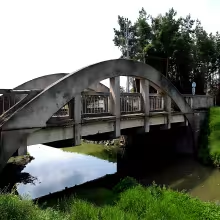
Křinecký most is a significant historical bridge in Křinec, located within Středočeský kraj of the Czech Republic. It spans the Mrlina River, connecting the village of Křinec with Zábrdovice. Constructed in 1915 by architect Stanislav Bechyně, it is celebrated for its parabolic arch design and has been protected as a cultural monument since its inception.
The bridge's historical importance is enhanced by baroque sculptures from 1707, crafted by Jan Brokof, which adorn its ends. Built during a period of political changes leading to Czechoslovakia's formation in 1918, it exemplifies advancements in engineering and architecture through Bechyně’s reinforced concrete design.
Křinecký most features parabolic arches with a three-meter span and rises four meters above the riverbed. Initially designed for both vehicular and pedestrian traffic, a steel walkway was later added to its southern side due to its narrow width.
Architecturally notable for its reinforced concrete construction, the bridge showcases Bechyně’s expertise. Its design incorporates parabolic arches that ensure structural integrity while creating a distinctive aesthetic. The baroque sculptures—representing Water, Air, Earth, and Fire—are particularly striking. These elements were relocated from a castle park in Kunratice, adding historical depth to the site.
Throughout its history, Křinecký most has undergone changes reflecting its enduring utility and evolving community role. In 2013, its load capacity was reduced to nine tons, excluding heavy traffic to preserve the structure while adapting it for contemporary use.
Today, Křinecký most remains functional and accessible, serving as an important link between communities. Its historical significance, architectural beauty, and cultural artifacts make it a worthwhile destination for visitors interested in Czech heritage. The bridge offers insights into early 20th-century engineering and provides a tangible connection to the past through its baroque sculptures. Visitors are invited to experience this remarkable monument firsthand, appreciating both its historical context and enduring legacy.
Historical milestones
- 1915
- The bridge was constructed by Stanislav Bechyně.
- 2013
- The load capacity of the bridge was reduced to 9 tons.
Architectural development
Křinecký most is a reinforced concrete structure designed by Stanislav Bechyně. The bridge features parabolic arches with a span of 3 meters and rises 4 meters above the riverbed. Originally, it had pedestrian walkways added to its southern side due to its narrow width.
Historical events
In 1915, the bridge was constructed and has remained functional ever since.
In 2013, the bridge's load capacity was reduced to 9 tons, excluding heavy traffic.
Points of interest
- The baroque sculptures adorning the ends of Křinecký most were originally part of a castle park in Kunratice, adding an intriguing layer of historical relocation to their presence on the bridge.
- Despite being constructed in 1915, Křinecký most's load capacity was significantly reduced in 2013 to nine tons, illustrating ongoing efforts to preserve its structural integrity amidst modern demands.
Guide
Show guide text
Welcome to the Křinecký most, a remarkable piece of history nestled in the charming village of Křinec within Středočeský kraj. As you stand here, take a moment to appreciate this architectural gem that stretches gracefully across the Mrlina River, connecting Křinec with Zábrdovice.
Constructed in 1915 by the esteemed architect Stanislav Bechyně, this bridge is more than just a crossing; it's a testament to early 20th-century engineering and design. The parabolic arch of the bridge draws your eyes upward, inviting you to consider its elegant form and structural ingenuity. As you look closely, notice how the baroque sculptures at each end add a touch of historical artistry to this modern marvel.
These sculptures hold their own intriguing tale—once part of a castle park in Kunratice, they found a new home here on Křinecký most, adding layers of history and relocation to their presence. This blend of past and present is what makes the bridge not just an architectural feat but also a cultural treasure.
As you continue to explore, consider how this bridge has stood the test of time. Built in 1915, it was designed to accommodate heavy loads. However, by 2013, its load capacity was reduced to 9 tons, reflecting changes and adaptations over nearly a century. This decision underscores the ongoing dialogue between preserving historical integrity and meeting contemporary needs.
While we may not know all the individuals who have walked this bridge throughout its history, it's clear that Křinecký most has been a silent witness to countless stories and journeys. Its enduring presence is a reminder of the craftsmanship and vision of Stanislav Bechyně, whose work continues to inspire admiration.
As you finish your visit here, take a moment to reflect on the bridge's role in connecting not just two landmasses but also different eras and cultures. We invite you to explore further around Křinec, where history and nature intertwine beautifully. Thank you for joining us on this journey through time at Křinecký most. Safe travels as you continue your adventure!
Tips for visitors
The best time to visit Křinecký most is during late spring or early autumn, when the weather is pleasant for walking and exploring the surrounding nature. During these months, the foliage around the Mrlina River offers a picturesque backdrop, enhancing the historical charm of the bridge. Additionally, visiting outside peak summer months can help avoid crowds, allowing for a more serene experience.
Parking near Křinecký most may be limited due to its rural setting, so it's advisable to plan accordingly. Public transport options are available and can provide convenient access to the area. Visitors should check local transportation websites or apps for current schedules and routes that connect nearby towns to Křinec. Arriving by car might require finding parking spaces in nearby villages.
When visiting Křinecký most, it's a good idea to bring comfortable walking shoes as you'll likely explore the surrounding paths along the Mrlina River. A camera or smartphone is recommended for capturing the scenic views and architectural details of the bridge. Additionally, consider bringing water and snacks, especially if planning an extended visit in the area.
For photography enthusiasts, the best spots to capture Křinecký most are from both ends of the bridge, where you can frame it against the natural landscape. Early morning or late afternoon light provides a soft glow that enhances the structure's features. Exploring nearby paths along the riverbank can also offer unique angles and compositions.
In addition to visiting Křinecký most itself, families with children might enjoy exploring the surrounding area within a 30-minute walk. The natural setting around the Mrlina River offers opportunities for outdoor activities such as picnicking or gentle hikes suitable for all ages. These excursions can be both educational and entertaining, providing insights into local history and nature.
Businesses nearby
Do you run a restaurant, accommodation, shop, museum, rental, wellness or other visitor service near this monument? Show yourself directly to the people heading to it — this is how they will see you in the app and on the web:
Nearby
Křinecký most is situated near the village of Křinec and connects it with Zábrdovice. The surrounding area includes natural features such as the Mrlina River, which the bridge spans.
Accommodation nearby
Themed route
Thematic Walking Tour: Křinecký Most and Surroundings
1. Křinecký most (Bridge) - Type: Historical Bridge - Why Visit: The Křinecký most is a charming stone bridge that spans the Mrlina River, connecting the villages of Křinec and Zábrdovice. Its historical significance and picturesque setting make it an ideal starting point for exploring this serene area.
2. Mrlina River - Type: Natural Waterway - Why Visit: Flowing alongside the bridge, the Mrlina River offers a tranquil environment perfect for a leisurely walk or picnic. The river's gentle currents and lush banks provide a peaceful retreat into nature.
3. Village of Křinec - Type: Historic Village - Why Visit: After crossing the bridge, explore the quaint village of Křinec. Its traditional architecture and quiet streets offer insight into rural life in the Středočeský region. The village is a testament to local history and culture.
4. Village of Zábrdovice - Type: Historic Village - Why Visit: On the other side of the bridge, visit Zábrdovice. This village complements Křinec with its own unique charm and historical buildings. Stroll through its streets to experience the continuity of history across both villages.
5. Mrlina Riverbanks - Type: Natural Scenery - Why Visit: Conclude your tour by returning along the Mrlina Riverbanks, where you can enjoy panoramic views of the surrounding countryside. This area is perfect for reflection and relaxation after exploring the historical sites nearby.
This walking tour offers a blend of history, nature, and cultural exploration, all within the charming setting of Křinec and its surroundings.
Seasonal recommendations
Spring: The arrival of spring breathes new life into the Křinecký most, with blossoming flora adorning its surroundings and providing a picturesque backdrop for visitors. The soft, dappled sunlight filtering through budding trees creates a serene and inviting atmosphere ideal for leisurely walks or photography sessions. During this season, it's wise to dress in layers as temperatures can be quite variable; light jackets are advisable in the morning and evening when it might still be cool. Although crowds are generally moderate, arriving early in the day allows you to enjoy the site with fewer people and better lighting for capturing the vibrant spring colors.
Summer: Summer at Křinecký most is characterized by long daylight hours and warm weather, making it perfect for outdoor activities such as picnics or cycling along nearby trails. The lush greenery and blooming flowers enhance the natural beauty of the area, while occasional evening events may be illuminated by charming lights, adding a magical touch to your visit. It's advisable to wear comfortable clothing and sunscreen due to the sun intensity, and consider visiting during off-peak hours like early morning or late afternoon to avoid larger crowds that typically gather in the heat of midday.
Autumn: Autumn transforms Křinecký most into a vibrant tapestry of reds, oranges, and yellows as the leaves change color. The crisp air and softer light create an enchanting atmosphere ideal for exploring the historical site at a leisurely pace. This season is particularly popular among photographers seeking to capture the stunning fall scenery. To fully enjoy your visit, dress warmly with layers that can be adjusted throughout the day, and consider bringing a hat or scarf as temperatures can drop in the evenings. Visiting on weekdays may help you avoid the weekend crowds drawn by the picturesque foliage.
Winter: Winter at Křinecký most offers a unique charm, with snow-covered landscapes providing a stark yet beautiful contrast to its historical architecture. The quietude of this season is perfect for those seeking a peaceful escape; however, visitors should be prepared for shorter opening hours and potential accessibility challenges due to weather conditions. Dressing warmly in insulated layers, including waterproof boots, is essential as temperatures can be quite low. Early morning visits are recommended not only to avoid crowds but also to experience the serene beauty of the site under soft winter light.
Visualizations and artistic views

Vizualizace jsou generovány umělou inteligencí a slouží jako inspirace.


Tips from visitors
No tips yet. Be the first!
Log in and add your tip.


Reviews and comments