





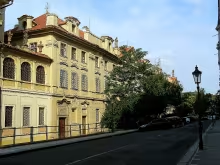
The Klášter milosrdných bratří, located in Prague's Old Town on Františku Street, is a historic monument that has functioned as a healthcare center since at least the mid-14th century. Established by Bohuslav z Olbramovic and later expanded under the Order of the Brothers Hospitallers of St. John of God, this Baroque complex remains significant for its enduring medical role in Prague's history.
The origins trace back to the mid-14th century when Bohuslav z Olbramovic founded a hospital and chapel dedicated to Saints Simon and Jude on the Vltava River banks. Consecrated by Arnošt z Pardubic in 1354, it became one of Prague’s earliest healthcare facilities. Over time, ownership and architectural styles evolved, reflecting broader historical trends within Bohemia.
Architectural changes at Klášter milosrdných bratří were significant throughout its history. Initially featuring a 14th-century chapel, the site later saw plans for a new church for the Czech Brethren in the early 17th century, though halted by structural issues. In 1620, the Order of the Brothers Hospitallers took over and began constructing a Gothic-Renaissance style church, which underwent Baroque renovations from 1700 to 1730. These developments highlight its adaptation to religious and practical needs.
Ownership shifts at Klášter milosrdných bratří mirrored broader political and religious changes in Prague. Initially acquired by Václav Vilém z Roupova for the Czech Brethren in 1615, it was taken over by the Order of the Brothers Hospitallers from King Ferdinand II on Christmas Day, 1620. These transitions underscore its role amidst early modern Bohemia's religious tensions.
Key events include its initial consecration in 1354 and construction challenges faced by the Czech Brethren in 1617 due to a vault collapse. The Order of the Brothers Hospitallers' takeover in 1620 marked significant architectural developments, integrating healthcare with religious functions. Despite political upheavals, it has continuously served as a medical center.
Today, Klášter milosrdných bratří is part of Na Františku Hospital, maintaining its historical healthcare role while welcoming visitors interested in its rich history. Near landmarks like Charles Bridge and Prague Castle, the complex offers insights into the evolution of medical and religious institutions in Prague. Its legacy as a care center makes it a worthwhile visit for those exploring the city's historical landscape.
Klášter milosrdných bratří stands as a testament to the intertwined history of healthcare and religion in Prague, offering visitors a unique glimpse into the past while continuing its mission of service. Its architectural beauty and historical significance make it an essential stop for anyone interested in exploring the cultural heritage of this vibrant city.
Historical milestones
- 1354
- Consecration of the chapel by Arnošt z Pardubic.
- 1617
- Construction halted due to a vault collapse during church building.
- 1620
- Order of the Brothers Hospitallers took over and began new construction.
Architectural development
The František Monastery underwent significant architectural transformations from its initial establishment as a hospital in the mid-14th century. After being acquired by Václav Vilém z Roupova, construction of a new church began but was delayed due to structural issues. The Order of the Brothers Hospitallers later initiated a Gothic-Renaissance style reconstruction, culminating in a Baroque renovation between 1700 and 1730.
Historical events
1354: Chapel of Saints Simon and Jude consecrated by Arnošt z Pardubic.
1617: Construction halted due to a vault collapse during the building of a new church for the Czech Brethren.
1620: The Order of the Brothers Hospitallers took over, initiating construction of a new Gothic-Renaissance church.
Owners
Founded by Bohuslav z Olbramovic and completed by Arnošt z Pardubic in 1354
Acquired by Václav Vilém z Roupova for the Czech Brethren in 1615
Taken over by the Order of the Brothers Hospitallers from King Ferdinand II on Christmas Day, 1620
Points of interest
- Despite its long history as a healthcare center, the chapel at Klášter milosrdných bratří was originally dedicated to Saints Simon and Jude, reflecting the medieval tradition of associating specific saints with healing.
- The construction plans for a new church by the Czech Brethren in the early 17th century were halted due to structural issues, specifically a vault collapse in 1617. This incident highlights the challenges faced during architectural expansions in that era.
Guide
Show guide text
Welcome to the historic site of Klášter milosrdných bratří in Prague's Old Town, a place rich with history and stories waiting to be discovered. As you stand here, take a moment to absorb the atmosphere surrounding this architectural gem. The complex before you has served as a beacon of healthcare since its inception in the mid-14th century, bearing witness to centuries of change and continuity.
The origins of this site trace back to 1354 when Bohuslav z Olbramovic founded a hospital and chapel dedicated to Saints Simon and Jude. This act was not just an architectural endeavor but also a spiritual one, as these saints were believed to bring healing. The consecration of the chapel by Arnošt z Pardubic further cemented its role in the community's healthcare and spiritual life.
As you explore, notice how the architecture speaks volumes about its past. While specific architects remain unnamed, the evolution from a medieval hospital to a significant Baroque complex reflects broader historical shifts. The halted construction of a church in 1617 due to a vault collapse is a testament to the challenges faced during its development. Yet, it was in 1620 that the Order of the Brothers Hospitallers took over, marking a new chapter in the site's history.
Key figures like Bohuslav z Olbramovic and Arnošt z Pardubic played pivotal roles in shaping this place. Their vision for healthcare and spirituality laid down roots that would grow through centuries. Václav Vilém z Roupova's involvement further highlights the interconnectedness of individuals dedicated to this cause.
A fascinating aspect of Klášter milosrdných bratří is its long-standing association with healing, underscored by the original dedication of its chapel to Saints Simon and Jude. This connection between saints and healthcare reflects a medieval tradition that adds depth to your visit today.
As we conclude our journey through this historic site, I invite you to continue exploring its grounds, perhaps imagining the countless stories untold within these walls. Klášter milosrdných bratří is not just a testament to architectural evolution but also a reminder of humanity's enduring spirit of care and compassion.
Thank you for joining me on this exploration. May your visit inspire reflection on the past and its influence on our present. Farewell, until we meet again at another historic site.
Businesses nearby
Nearby
Located in Prague's Old Town, the monastery is near historical sites such as Charles Bridge and Prague Castle. The Vltava River flows nearby, adding to the area's scenic and cultural significance.
Accommodation nearby
Trips and activities nearby
Guided tours, tickets and activities nearby from GetYourGuide
Search tours and activities →Themed route
Thematic Walking Tour: The Heart of Prague's Old Town
1. Klášter milosrdných bratří (Prague 1) - *Type:* Monastery - *Why Visit:* Begin your journey at the historic monastery of the Brothers Hospitallers, a serene sanctuary nestled in the heart of Prague's Old Town. Founded in the early 13th century, this site offers an intimate glimpse into medieval monastic life with its beautifully preserved architecture and tranquil gardens. The monastery is not only a place of worship but also houses a museum that showcases religious artifacts and art from centuries past.
2. Charles Bridge - *Type:* Historical Bridge - *Why Visit:* A short walk from the monastery, Charles Bridge stands as one of Prague's most iconic landmarks. This Gothic bridge, adorned with an array of statues and baroque ornaments, offers breathtaking views of the Vltava River and the city skyline. As you stroll across the bridge, take in its rich history dating back to 1357 and enjoy the vibrant atmosphere created by street performers and artists.
3. Prague Castle - *Type:* Historical Site - *Why Visit:* Although not directly adjacent, Prague Castle is a short distance from Charles Bridge and serves as a majestic conclusion to your tour. This sprawling complex has been the seat of power for kings and presidents alike and offers an unparalleled view of Prague's Old Town. Explore its many palaces, churches, and gardens, each telling a unique story of Czech history and culture.
This thematic walking tour encapsulates the historic and cultural essence of Prague’s Old Town, offering visitors a chance to immerse themselves in the city’s rich past while enjoying some of its most picturesque sites.
Seasonal recommendations
Spring: Visiting the Church of the Merciful Brothers during spring offers a serene experience as nature awakens around the historic site, with blooming flowers and lush greenery enhancing its beauty. The soft light of early mornings or late afternoons provides an ideal atmosphere for appreciating the intricate details of the church's architecture. While crowds are generally moderate, arriving earlier in the day can help avoid any unexpected gatherings as visitors enjoy the pleasant weather. Light layers are recommended to adapt to the varying temperatures typical of this season.
Summer: Summer is a vibrant time to explore the Church of the Merciful Brothers, with long daylight hours allowing for extended visits and the opportunity to experience the church's architecture bathed in warm sunlight. This period marks the peak tourist season; thus, visiting during off-peak times such as early mornings or weekdays can provide a more tranquil experience. The weather is generally warm, so comfortable, breathable clothing is advisable, along with sun protection if exploring nearby outdoor areas.
Autumn: Autumn brings a picturesque transformation to the Church of the Merciful Brothers, with vibrant foliage creating a stunning backdrop for photographs and sightseeing. The cooler temperatures make it an ideal time to explore without the summer heat, while the reduced number of tourists allows for a more leisurely visit. Layered clothing is recommended to accommodate fluctuating weather conditions, ensuring comfort throughout your exploration.
Winter: Winter at the Church of the Merciful Brothers offers a unique charm with its snow-covered surroundings and festive atmosphere during the holiday season. The shorter days mean earlier closures, so plan to arrive early to make the most of your visit. While the church itself remains open, some outdoor areas may be less accessible due to weather conditions. Warm clothing is essential to enjoy the site comfortably, along with sturdy footwear for navigating potentially icy paths.
Visualizations and artistic views


Vizualizace jsou generovány umělou inteligencí a slouží jako inspirace.

Tips from visitors
No tips yet. Be the first!
Log in and add your tip.

Reviews and comments