






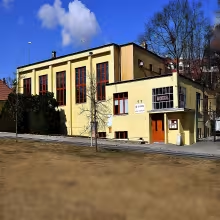
Hanspaulka is a residential area in Prague's Dejvice district, known for its functionalist architecture and rich history dating back to the Upper Paleolithic era. This sídelní útvar (residential unit) developed during Prague's early 20th-century expansion into an urban neighborhood with modern architectural styles. Its cultural significance includes a notable musical movement from the 1970s and associations with several prominent personalities.
Evidence suggests human settlement in Hanspaulka as far back as the Upper Paleolithic period. The area's strategic location, near the Šárka Valley and Vltava River, made it attractive to early inhabitants. In the Middle Ages, it was known for viticulture, benefiting from conditions favorable for vineyards until disruptions like the Hussite Wars.
Architecturally, Hanspaulka features functionalist villas and family homes built in the early 20th century, reflecting modern trends emphasizing functionality and simplicity. Its development was part of Prague's broader urban expansion during Czechoslovakia's modernization period.
Throughout its history, Hanspaulka has been home to notable figures, contributing to its cultural richness. In the 1970s, it became known for a musical movement that led to influential music groups' formation. The district also hosts the Hanspaulská liga, a small football league named after the area, highlighting community engagement.
Today, Hanspaulka remains an accessible and vibrant part of Prague, offering insights into its historical significance and contemporary cultural life. Its architectural heritage and rich history make it a worthwhile destination for those interested in urban living spaces' evolution and cultural movements within the city. Visitors are invited to experience this unique blend of past and present that defines Hanspaulka.
Historical milestones
- Upper Paleolithic era
- Evidence of early human settlement in Hanspaulka.
- Middle Ages
- Region known for viticulture, affected by Hussite Wars.
- Early 20th century
- Development of functionalist architecture during Prague's expansion.
- 1970
- Notable musical movement leading to influential music groups' formation.
Architectural development
Hanspaulka saw significant development in the early 20th century with the construction of functionalist villas and family homes. The area was designed as a residential district during Prague's expansion, featuring modern architectural styles that were prevalent at the time.
Historical events
In the early 20th century, Hanspaulka was developed into a residential district as part of Prague's expansion.
During the 1970s, Hanspaulka became known for its musical movement, which led to the formation of several notable music groups.
Points of interest
- Hanspaulka's Upper Paleolithic roots are intriguing, as it is one of the few urban areas in Prague with evidence of such ancient human settlement. This suggests that early inhabitants were drawn to its strategic location near natural resources like the Šárka Valley and Vltava River.
Guide
Show guide text
Welcome to Hanspaulka, a remarkable residential area nestled in the heart of Dejvice, Prague. As you stand here, surrounded by the unique charm of functionalist architecture, it's easy to feel connected to both the past and present. This site is steeped in history, dating back to the Upper Paleolithic era when early humans first settled here, drawn by its strategic location near natural resources like the Šárka Valley and Vltava River.
Let’s delve into this fascinating area's origins and historical context. Hanspaulka has been a witness to centuries of change. In the Middle Ages, it was renowned for viticulture, with vineyards flourishing in the region. However, the tumultuous Hussite Wars left their mark on this once thriving agricultural landscape. Fast forward to the early 20th century, and you'll find Hanspaulka undergoing significant transformation as Prague expanded. It became an urbanized part of the city, characterized by its distinctive functionalist architecture—a style that emphasizes simplicity and utility.
As we explore further, take a moment to observe the architectural details around you. The clean lines, geometric forms, and lack of ornamentation are hallmarks of this era's design philosophy. These buildings were crafted with an eye for efficiency and modernity, reflecting a period when Prague was embracing new ideas in urban planning.
While Hanspaulka may not be associated with specific architects or historical figures from its functionalist phase, the area itself is a testament to a pivotal moment in Prague’s development. The 1970s brought another layer of cultural significance as it became a hub for a notable musical movement, inspiring influential music groups and leaving an indelible mark on the city's cultural landscape.
Now, let's turn our attention to one of Hanspaulka's most intriguing aspects: its Upper Paleolithic roots. This is one of the few urban areas in Prague where evidence of such ancient human settlement has been found. Imagine early inhabitants navigating these lands thousands of years ago, drawn by the natural bounty and strategic advantages offered by this location.
As you continue your journey through Hanspaulka, I invite you to immerse yourself in its rich tapestry of history and architecture. Each building tells a story, each street corner holds a secret from the past. Explore at your own pace, and let your curiosity guide you as you uncover more about this remarkable part of Prague.
Thank you for joining me on this exploration of Hanspaulka. I hope it has inspired you to delve even deeper into its history and perhaps discover new layers of intrigue with each visit. Safe travels, and may your journey through the heart of Dejvice be both enlightening and enjoyable!
Tips for visitors
The best time to visit Hanspaulka is during the late spring or early autumn months, when the weather is mild and pleasant for outdoor activities. During these times, you can enjoy the natural beauty of the surrounding Šárka Valley and Vltava River meanders without the crowds that summer might bring. Additionally, the functionalist architecture of Hanspaulka looks particularly striking in the soft light of early morning or late afternoon.
Transportation to Hanspaulka is convenient via public transit or by car. The area is accessible by several tram and bus lines that serve Dejvice, making it easy to reach without needing a vehicle. If you prefer driving, there are parking options available in the vicinity, though spaces can be limited during peak hours. It's advisable to check for current transport connections online before your visit.
When visiting Hanspaulka, consider bringing comfortable walking shoes as exploring the area on foot will allow you to fully appreciate its architectural and natural surroundings. A camera is also recommended, especially if you plan to capture the unique functionalist buildings or the scenic views of the Vltava River. Don't forget a light jacket or umbrella in case of unexpected weather changes.
For photography enthusiasts, some of the best spots include viewpoints overlooking the Šárka Valley and areas near the river where the interplay of natural and architectural elements creates compelling compositions. The soft morning light is ideal for capturing the textures of Hanspaulka's buildings, while the golden hour provides a warm glow that enhances the landscape.
Within a 30-minute radius, you can visit Baba Hill, known for its historical significance and panoramic views of Prague. This site offers an excellent opportunity to learn more about the region's history and enjoy some leisurely exploration. For families with children, consider bringing along a picnic basket to enjoy in one of the nearby parks or green spaces, making your trip both educational and relaxing.
Businesses nearby
Nearby
Surrounding Hanspaulka are natural features such as the Šárka Valley and the meanders of the Vltava River. The nearby Baba hill is also significant for its historical settlements.
Accommodation nearby
Trips and activities nearby
Guided tours, tickets and activities nearby from GetYourGuide
Search tours and activities →Themed route
Thematic Walking Tour: Hanspaulka and Surroundings
1. Hanspaulka (Sídelní Útvar) - Type: Architectural Ensemble - Why Visit: Begin your journey at the iconic Hanspaulka, a unique residential complex designed by architect Karel Prager in 1930. This site is renowned for its innovative approach to communal living and modernist architecture, offering visitors a glimpse into early 20th-century urban planning.
2. Šárka Valley - Type: Natural Landscape - Why Visit: A short walk from Hanspaulka will lead you to the serene Šárka Valley. This picturesque area is steeped in legend, associated with the mythical tale of Libuše and Přemysl, and offers a peaceful natural retreat within the city. The valley's lush greenery and gentle slopes provide an ideal setting for contemplation and relaxation.
3. Baba Hill - Type: Historical Site - Why Visit: Continue your exploration to Baba Hill, located near the Vltava River. This historically significant site is known for its ancient settlements dating back to prehistoric times. The hill offers panoramic views of Prague and serves as a testament to the area's rich cultural heritage.
4. Vltava River Meanders - Type: Natural Feature - Why Visit: Conclude your tour by following the meandering path of the Vltava River near Hanspaulka. This stretch of river is celebrated for its natural beauty and offers a tranquil environment to reflect on the day's journey. The flowing waters, combined with the surrounding greenery, create an idyllic setting perfect for leisurely strolls or quiet reflection.
This thematic tour provides a balanced experience of architectural innovation, natural beauty, and historical significance, all within the charming vicinity of Hanspaulka in Dejvice.
Seasonal recommendations
Spring: Visiting Hanspaulka during spring offers a delightful experience as nature awakens with blooming flowers and lush greenery, creating a picturesque setting for exploring the historic site. The soft morning light enhances the architectural details of the building complex, providing ideal conditions for photography enthusiasts. It's advisable to wear comfortable walking shoes and layers that can be adjusted to the variable spring temperatures. While crowds are generally manageable, arriving early in the day ensures a more tranquil visit.
Summer: Summer at Hanspaulka is characterized by long daylight hours and vibrant green landscapes, making it an excellent time for outdoor activities around the site. The warm weather invites visitors to enjoy picnics or leisurely strolls through the surrounding gardens. However, this season also attracts larger crowds, so planning your visit early in the morning can help avoid peak times. Light clothing is recommended to stay comfortable under the sun, and carrying a hat or sunscreen is advisable for protection.
Autumn: Autumn transforms Hanspaulka into a warm-toned haven with its rich palette of reds, oranges, and yellows, offering stunning views that are particularly photogenic during golden hour. The cooler temperatures make it an ideal time to explore without the summer crowds, providing a more serene atmosphere. Layering clothing is essential as the weather can be unpredictable, ranging from crisp mornings to milder afternoons.
Winter: Winter at Hanspaulka presents a unique charm with its snow-covered surroundings and cozy ambiance, creating a picturesque scene that's especially enchanting during festive periods like Advent. However, shorter daylight hours mean planning your visit for midday when the light is best for photography. It's crucial to dress warmly in layers and wear waterproof footwear due to potentially icy conditions. Keep an eye on opening times as they may vary with seasonal changes.
Visualizations and artistic views


Vizualizace jsou generovány umělou inteligencí a slouží jako inspirace.


Tips from visitors
No tips yet. Be the first!
Log in and add your tip.

Reviews and comments