





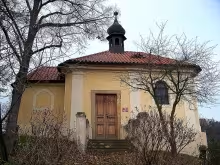
Kostel svatého Jana Nepomuckého in Dejvice stands as a testament to Prague's rich baroque heritage. Constructed in 1713, this church initially served as a chapel with a statue of Saint John of Nepomuk, reflecting the religious and cultural milieu of early 18th-century Bohemia under Habsburg rule. Over time, it evolved into a parish church by the mid-19th century before being repurposed as a chapel following World War II. Its historical significance is underscored by its location on a low rocky hill near a road leading from Prague to Horoměřice, marking it as an enduring landmark in the region.
The origins of Kostel svatého Jana Nepomuckého are deeply intertwined with the history of plague epidemics that ravaged Europe. In 1680, during a major outbreak, a plague cemetery was established on the site, which later became part of the church grounds. This area, once under the ownership of the Premonstratensians who held Jenerálka, saw the erection of a chapel with Saint John Nepomuk's statue at the beginning of the 18th century. Following another plague epidemic in 1713, this chapel was expanded into the current church structure. By 1785 (or possibly 1783), a local parish office was established here, which was elevated to an independent parish by 1857.
Architecturally, Kostel svatého Jana Nepomuckého embodies the baroque style prevalent during its construction period. The church features a square nave with a three-sided chancel closure and is complemented by a sacristy added in 1822. Its interior boasts diverse furnishings from the 18th and 19th centuries, including notable sculptures by František Platzera of Saint Norbert and Saint Wenceslas. Despite its historical richness, the church has faced challenges over time, having been repeatedly robbed in the 19th century, resulting in the loss of valuable liturgical furnishings and bells.
Throughout its history, Kostel svatého Jana Nepomuckého has undergone significant administrative changes. Initially part of the Strahov parish under the Church of Saint Roch (later transferred to the Church of the Assumption of the Virgin Mary), it became a local parish office in 1785 and was elevated to an independent parish by 1857. However, post-World War II saw a cessation of regular services until its restoration in the late 1980s, after which it resumed functioning as a chapel.
The church's history is marked by intriguing events and curiosities. Beneath its structure lies a cemetery that initially served as a plague burial site and later for parishioners from Nebušice and Střešovice. Some family tombstones were relocated to the newly established Střešovický hřbitov around 1900, preserving their historical significance.
Today, Kostel svatého Jana Nepomuckého stands as a serene chapel, accessible for visitors interested in exploring its baroque architecture and rich history. Its enduring presence on a scenic hill near Prague offers a unique glimpse into the past, making it a worthwhile destination for those keen to delve into the cultural tapestry of Dejvice. Visitors are invited to appreciate this historical monument's resilience and architectural beauty, reflecting centuries of Bohemian heritage.
Historical milestones
- 1680
- A plague cemetery was established on the site during a major epidemic.
- 1713
- The chapel was expanded into the current church following another plague epidemic.
Architectural development
The church began as a chapel with a statue of Saint John Nepomuk and evolved into the current structure after expansions following plague epidemics. A sacristy was added in 1822. The interior features diverse furnishings from the 18th and 19th centuries, including sculptures by František Platzera.
Historical events
In 1680, during a major plague epidemic, a plague cemetery was established on the site, which later became part of the church grounds.
The chapel with Saint John Nepomuk's statue was erected at the beginning of the 18th century and expanded into the current church after another plague epidemic in 1713.
In 1785 (or possibly 1783), a local parish office was established, elevated to an independent parish by 1857.
Points of interest
- Beneath the church lies a historical cemetery that originally served as a burial site during plague epidemics in the 17th century, highlighting its connection to one of Europe's most devastating periods.
- The statue of Saint John Nepomuk at Kostel svatého Jana Nepomuckého was erected in the early 18th century on land once owned by the Premonstratensians, reflecting the influence of this religious order in the region.
Guide
Show guide text
Welcome to the historic site of Kostel svatého Jana Nepomuckého in Dejvice, Prague. As you stand here, take a moment to soak in the serene atmosphere surrounding this baroque-style church, built in 1713. Nestled on a low rocky hill near a road leading from Prague to Horoměřice, its square nave captures your attention with its understated elegance and historical depth.
The story of this site begins during one of Europe's most challenging periods. In 1680, amidst a major epidemic, a plague cemetery was established here. The following decades saw another devastating plague, prompting the expansion of an existing chapel into the church you see today in 1713. This transformation reflects not just architectural development but also the resilience and faith of those who sought solace on this sacred ground.
As you explore Kostel svatého Jana Nepomuckého, notice its baroque style, characterized by symmetry and balance that invite contemplation. The church's structure, with its square nave, stands as a testament to the era's architectural sensibilities. Although the architects remain unknown, their vision has left us with a place of worship that has served many purposes over the centuries—from a parish church in the mid-19th century to a chapel after World War II.
Beneath your feet lies another layer of history—a cemetery that once held those who succumbed to past plagues. This hidden aspect connects you directly to the site's poignant past, reminding us of the human stories intertwined with this sacred place.
An intriguing piece of history is associated with the statue of Saint John Nepomuk originally placed here. While details about its early days are scarce, the presence of such a statue underscores the church’s spiritual significance and the veneration of Saint John Nepomuk in Czech culture.
As you continue your visit, allow yourself to be drawn into the quiet dignity of this place. Feel free to wander around and let the history speak through its walls and grounds. Each step is an opportunity to connect with the past, offering a unique perspective on resilience and faith through time.
Thank you for joining us at Kostel svatého Jana Nepomuckého. We hope this visit has enriched your understanding of Prague's rich tapestry of history. May your journey continue to be filled with discovery and wonder as you explore more of what Dejvice and Prague have to offer.
Tips for visitors
The best time to visit Kostel svatého Jana Nepomuckého is during the late spring or early fall when the weather is pleasant, allowing for a comfortable exploration of both the church and its surroundings. The natural light during these seasons enhances the baroque architecture's details, making it an ideal period for photography enthusiasts. Additionally, visiting outside of peak tourist seasons can offer a more serene experience.
Parking near Kostel svatého Jana Nepomuckého is limited due to its location in Dejvice; however, there are several parking facilities within walking distance. Public transportation offers convenient access to the church, with several bus and tram lines connecting Prague's city center to Dejvice. It's advisable to check the latest public transport options online before your visit.
When visiting Kostel svatého Jana Nepomuckého, it is recommended to bring comfortable walking shoes as you may wish to explore the surrounding area of Nebušice and Střešovice parishes. A camera or smartphone for capturing the church's architectural beauty is also suggested. Don't forget a light jacket or umbrella in case of unpredictable weather.
For photography, the best spots are around the church where you can capture its baroque architecture against the backdrop of the low rocky hill and surrounding greenery. Early morning or late afternoon provides soft lighting conditions ideal for photographs. The area near the road leading from Prague to Horoměřice also offers unique perspectives.
Nearby, within a 30-minute walk or short drive, are the historical sites of the former parishes of Nebušice and Střešovice. These areas offer additional cultural insights and scenic views, making them worthwhile for visitors interested in exploring more than just the church itself.
Businesses nearby
Nearby
The church is situated on a low rocky hill near a road leading from Prague to Horoměřice. The area includes historical sites such as the former parishes of Nebušice and Střešovice.
Accommodation nearby
Trips and activities nearby
Guided tours, tickets and activities nearby from GetYourGuide
Search tours and activities →Themed route
Tematická výletní trasa: Kostel svatého Jana Nepomuckého (Dejvice) a okolí
1. Kostel svatého Jana Nepomuckého (Dejvice) *Typ:* Náboženská památka *Proč stojí za návštěvu:* Tento barokní kostel, postavený v roce 1713, je nejen architektonickou perli, ale také důležitým místem pro kulturu a historii českého lidu. Je známý svou krásnou interiérovou dekorací a věží, která nabízí pohled na okolní Prahu.
2. Bývalé farnosti Nebušice *Typ:* Historické místo *Proč stojí za návštěvu:* Bývalé farnosti Nebušice jsou důležitým historickým prvkem, který odráží rozvoj oblasti a její vazby na Dejvice. Navštívit tento areál je cenné pro pochopení místního dějin a kultury.
3. Bývalé farnosti Střešovice *Typ:* Historické místo *Proč stojí za návštěvu:* Tato oblast je známá svou historií a architektonickým bohatstvím, které představuje klíčové aspekty místního dědictví. Je to ideální místo pro ty, kteří chtějí hlouběji pochopit historii a vývoj okolí Dejvic.
Tato trasa nabízí návštěvníkům možnost prozkoumat bohaté dědictví oblasti kolem Kostela svatého Jana Nepomuckého, od jeho architektonických krás až po historický význam okolních lokalit.
Seasonal recommendations
Spring: Visiting the Church of Saint John Nepomucene during spring offers a serene atmosphere as nature begins to awaken around Dejvice. The surrounding gardens and pathways are adorned with blooming flowers, creating a picturesque setting that enhances the church's historical beauty. As daylight extends into the evening, natural light beautifully illuminates the interior, making it an ideal time for photography enthusiasts. Spring can bring unpredictable weather, so visitors should dress in layers to accommodate changing temperatures throughout the day. The moderate visitor numbers make this season perfect for those seeking a peaceful experience without large crowds.
Summer: Summer is a vibrant time to explore the Church of Saint John Nepomucene with its lush green surroundings and warm sunlight accentuating the architectural details. This period often sees increased foot traffic, especially during the main tourist season, so arriving early in the morning can help avoid larger groups. The church's open spaces provide a cool retreat from the summer heat, making it an excellent spot for leisurely exploration. Visitors should wear comfortable clothing and bring water to stay hydrated, as well as sun protection if planning to spend time outdoors.
Autumn: Autumn transforms the Church of Saint John Nepomucene into a tranquil haven with its rich tapestry of reds, oranges, and yellows in the surrounding foliage. The cooler temperatures create an inviting atmosphere for leisurely walks through Dejvice's scenic landscape. As daylight hours shorten, visitors can enjoy the soft glow of early evening light filtering through stained glass windows, adding to the church’s mystical ambiance. This season is ideal for those who appreciate quieter visits, as crowds tend to diminish compared to summer months. Layered clothing is recommended to adapt to brisk mornings and milder afternoons.
Winter: Winter offers a unique charm at the Church of Saint John Nepomucene with its serene snow-covered surroundings providing a quiet backdrop that enhances the church's historic architecture. The shorter days mean visits are best planned for the morning when natural light is most abundant, though artificial lighting inside creates a warm and inviting environment. Wintertime often sees fewer visitors, making it an excellent opportunity to explore at your own pace. Visitors should dress warmly in layers and be prepared for potentially icy pathways around Dejvice. Despite the cold, this season offers a magical experience with its crisp air and peaceful atmosphere.
Visualizations and artistic views

Vizualizace jsou generovány umělou inteligencí a slouží jako inspirace.


Tips from visitors
No tips yet. Be the first!
Log in and add your tip.


Reviews and comments