






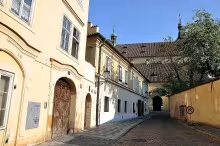
The Anežský Klášter, located in Prague 1 within the historic Old Town district, is a significant cultural monument founded by Saint Agnes of Bohemia in 1234. Situated on U Milosrdných Street and accessible via Anežská ulice from Haštalské náměstí, it holds notable historical importance as part of the National Gallery in Prague. Named after its founder, the site reflects the religious fervor and noble patronage characteristic of early 13th-century Bohemia.
The origin of the Anežský Klášter is deeply rooted in the religious and cultural milieu of medieval Bohemia. In 1234, Saint Agnes established this convent, marking a significant contribution to Central Europe's ecclesiastical landscape during the Přemyslid dynasty's influence. Her role as a noblewoman underscores the era’s intertwining of nobility with religious patronage.
Architecturally, while specific details about the building style and materials are not extensively documented in available sources, it is understood that the convent has evolved over centuries. The area surrounding Anežská ulice retains its medieval character, blending historical structures with modern establishments. This evolution highlights the site's ability to maintain cultural significance amidst changing times.
Throughout history, the ownership and administration of the Anežský Klášter have seen dramatic shifts, reflecting broader socio-political changes in Prague. Today, it is integrated into the National Gallery, emphasizing its continued relevance as a cultural institution. This transition from a purely religious site to part of a national gallery underscores its enduring legacy.
Key events associated with the Anežský Klášter are primarily centered around its founding by Saint Agnes and its subsequent role in Prague's ecclesiastical history. The convent has remained an important landmark, contributing to the rich tapestry of the Old Town’s historical narrative.
In contemporary times, the Anežský Klášter remains accessible to visitors as part of the National Gallery in Prague. Its significance is rooted not only in its religious origins but also in its contribution to the cultural and artistic heritage of the city. The surrounding area, including Haštalské náměstí and various historical buildings, adds to the site's allure.
Visiting the Anežský Klášter offers a unique glimpse into Prague’s medieval past while appreciating its ongoing role in the city's cultural landscape. Its integration with modern institutions like the National Gallery makes it a must-see for those interested in both history and art, inviting visitors to explore the enduring legacy of Saint Agnes of Bohemia and her convent.
Historical milestones
- 1234
- Založení Anežského kláštera svatou Agnesí z Čech.
- 13. století
- Vliv dynastie Přemyslovců na náboženský a kulturní život v Čechách.
- Středověk
- Evoluce architektury kláštera s zachováním historického charakteru oblasti.
- Moderní doba
- Integrace kláštera do Národní galerie v Praze.
Architectural development
The street and its surrounding buildings have evolved over centuries, with the Anno Domini Convent being a significant historical structure. The area has maintained its medieval character while integrating modern establishments.
Historical events
1234: Saint Agnes of Bohemia founded the Anno Domini Convent.
Points of interest
- Although the Anežský Klášter was founded in 1234 by Saint Agnes of Bohemia, there is a legend that she had visions guiding her to establish this convent, reflecting the mystical aura often surrounding religious figures of medieval Europe.
- The site has been rumored to have hidden passageways beneath its foundations, remnants from its early days when it served not only as a spiritual haven but also as a strategic location during times of political unrest in Prague.
Guide
Show guide text
Welcome to Anežská ulice, a historic street nestled in the heart of Prague's Old Town. As you stand here, imagine yourself stepping back into time on this path that stretches from Haštalské náměstí to the Anno Domini Convent on U Milosrdných Street. The air is filled with whispers of history and echoes of footsteps from centuries past.
This street owes its name to Saint Agnes of Bohemia, a revered figure who founded the convent here in 1234. As you look around, take in the rich tapestry of historical buildings that line this area. Notice the Haštalský Church nearby, standing as a testament to the enduring legacy of faith and community.
The creation of Anežský Klášter by Saint Agnes was more than just an architectural endeavor; it was a pivotal moment in the religious and cultural life of 13th-century Bohemia. The Přemyslid dynasty's influence during this period shaped much of what you see today, with the convent serving as a spiritual beacon.
Now, let your eyes wander over the architecture that has evolved through the ages while maintaining its historical essence. Although specific architects remain unknown, the structures here tell their own stories through their form and function.
Saint Agnes herself is an integral part of this narrative. Her life and work left an indelible mark on this place, inspiring generations with her dedication to faith and charity.
There's a captivating legend associated with this site: it is said that Saint Agnes was guided by visions in establishing the convent. This mystical aura adds a layer of intrigue to your visit, inviting you to ponder the spiritual experiences of medieval Europe.
As we conclude our journey here, I invite you to continue exploring and discovering more about this fascinating corner of Prague. There's so much history waiting for you just around the corner, ready to be uncovered by curious minds like yours. Thank you for joining me on this walk through time.
Tips for visitors
The best time to visit Anežská Street is during the late spring or early fall when the weather is pleasant, allowing for comfortable exploration of its historic charm without the summer crowds. These seasons offer a perfect balance between good lighting for photography and manageable temperatures for walking around the area. Additionally, visiting on weekdays can provide a more intimate experience with fewer tourists.
Parking near Anežská Street can be challenging due to its location in the heart of Prague's Old Town. Public transportation is highly recommended; visitors can easily access the area using trams or buses that stop at nearby stops such as Haštalské náměstí. For those driving, it’s advisable to park further away and use public transport for the final leg of the journey.
When visiting Anežská Street, it's wise to bring comfortable walking shoes, a hat or umbrella depending on the weather, and perhaps a light jacket as temperatures can vary throughout the day. Since you’ll be exploring historic sites, carrying water is also recommended to stay hydrated during your visit.
For photography enthusiasts, some of the best spots along Anežská Street include capturing the street’s architecture in the soft morning or late afternoon light, which enhances the textures and colors of the buildings. The view from Haštalské náměstí towards U Milosrdných Street offers a picturesque scene with the historic backdrop of Prague.
Nearby attractions within 30 minutes include the iconic Old Town Square, where you can visit the Astronomical Clock and St. Nicholas Church. Additionally, exploring the Jewish Quarter provides insights into Prague's rich cultural tapestry, featuring sites like the Old-New Synagogue and the Jewish Museum.
Businesses nearby
Nearby
The surrounding area includes notable landmarks such as Haštalské náměstí and various historical buildings. The Old Town of Prague, with its rich history and architecture, is within close proximity.
Accommodation nearby
Trips and activities nearby
Guided tours, tickets and activities nearby from GetYourGuide
Search tours and activities →Themed route
Thematic Walking Tour: Anežská Monastery and Surroundings
1. Anežská Monastery (Monastery) Begin your journey at the heart of this spiritual retreat, the Anežská Monastery, a serene haven with a rich history dating back to its founding in 1233. Explore the monastery's beautiful baroque architecture and tranquil gardens, offering a peaceful respite from the bustling city.
2. Haštalské náměstí (Square) A short walk from the monastery will bring you to Haštalské náměstí, an inviting square known for its vibrant atmosphere and historical significance. This charming area is perfect for a leisurely stroll, allowing you to soak in the local culture and perhaps enjoy a coffee at one of the nearby cafes.
3. Old Town Hall (Historical Building) Continue your exploration by heading towards the iconic Old Town Hall. Located within walking distance from Haštalské náměstí, this architectural masterpiece is renowned for its astronomical clock, an engineering marvel that has fascinated visitors since 1410. The surrounding area offers a glimpse into Prague's medieval past.
4. Church of Our Lady before Týn (Church) Conclude your tour at the majestic Church of Our Lady before Týn, situated in the Old Town near Haštalské náměstí. This stunning Gothic church is famous for its impressive twin spires and intricate sculptures, making it a must-see for anyone interested in Prague's religious heritage.
This thematic walking tour offers an intimate look at the historical and cultural treasures surrounding the Anežská Monastery, providing a perfect blend of spirituality, history, and architectural beauty.
Seasonal recommendations
Spring: Visiting Anežská Monastery during spring offers a serene experience as the surrounding gardens begin to bloom with vibrant flowers, creating a picturesque backdrop for your exploration. The soft light of early morning or late afternoon enhances the beauty of the monastery's architecture, casting gentle shadows that add depth and character to its historic walls. As nature awakens, you may encounter fewer visitors compared to summer, allowing for a more tranquil visit. It’s advisable to wear comfortable layers as temperatures can vary, and an umbrella might be handy due to occasional spring showers.
Summer: The monastery is particularly inviting in the long days of summer when the sun illuminates its historic structures with a warm glow. Visitors are treated to lush greenery and blooming gardens that provide a refreshing contrast to the city's hustle and bustle. This season attracts more tourists, so arriving early can help you avoid crowds and fully appreciate the site's tranquility. Light, breathable clothing is recommended for comfort during your visit, along with sunscreen and sunglasses to protect against the bright summer sun.
Autumn: Autumn brings a unique charm to Anežská Monastery as the leaves turn into shades of orange, red, and gold, creating a stunning visual feast that complements the monastery's historic atmosphere. The cooler temperatures make for a pleasant visit, especially in the late afternoon when the light is softer and more golden. This season sees moderate visitor numbers, offering a balance between summer crowds and winter quietness. Wearing layers can help you adjust to changing temperatures throughout your visit.
Winter: Winter transforms Anežská Monastery into a serene and mystical destination, with snow often blanketing its surroundings and creating a magical atmosphere. The shorter days mean the monastery is best visited in the morning or late afternoon when the light is most enchanting, highlighting the intricate details of its architecture against the crisp winter sky. Visitor numbers are typically lower, providing an intimate experience. Dress warmly in layers to stay comfortable during your visit, as temperatures can be quite chilly, and check opening times which may vary due to shorter daylight hours.
Visualizations and artistic views

Vizualizace jsou generovány umělou inteligencí a slouží jako inspirace.


Tips from visitors
No tips yet. Be the first!
Log in and add your tip.
Location on the map




Příběhy a pověsti
Legendy, pověsti a příběhy spjaté s touto památkou
Reviews and comments