






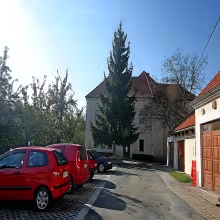
Zámek Sedlec is a classicist structure located in Sedlec, within Kutná Hora. It has transformed from a Cistercian monastery founded in 1142 to an administrative estate by the early 19th century. Over the centuries, it has undergone significant architectural and functional changes, reflecting broader cultural shifts in Bohemia during the Austrian Empire's rule.
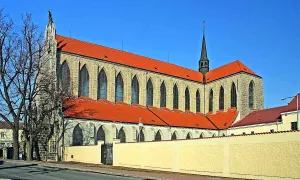
The origins of Zámek Sedlec trace back to the establishment of a Cistercian monastery in 1142. The first monastic buildings were constructed in the latter half of the 12th century, with further developments throughout subsequent centuries. By the late 13th century, a church dedicated to Saints Philip and James was likely built within the monastery's gatehouse, serving both monastic and lay members. After being captured and burned by Hussite forces in 1421, restoration began gradually in 1454. A major reconstruction of the conventual church occurred at the end of the 17th century under Jan Blažej Santini-Aichel, transitioning it into a baroque style.
The architectural evolution continued into the early 19th century when the former provost's residence was transformed into the classicist Zámek Sedlec. This marked a shift from its medieval roots to a structure reflecting classical trends of the time. The zámek served administrative purposes, housing officials and functioning as office space until it fell into disrepair after World War II.
Ownership of Zámek Sedlec has seen dramatic changes over the centuries. The Schwarzenberg family held the estate until 1945, after which it was utilized by the state for offices. In 1993, Karel Schwarzenberg regained ownership through restitution, but no suitable use was found, leading to its deterioration.
Today, Zámek Sedlec stands as a testament to its rich history and architectural transformations. Although parts of the site have suffered from neglect, efforts have been made to preserve certain elements, such as repairs to the classicist building's roof. The surrounding area features other historical monuments, including the Church of All Saints with a crypt and Santini's church of the Assumption of the Virgin Mary and St. John the Baptist, adding to its cultural significance.
Visiting Zámek Sedlec offers a unique glimpse into Bohemia's layered history, from its medieval monastic origins to its classical architectural rebirth. The site invites exploration for those interested in historical architecture and the dynamic changes that have shaped this region over centuries.
Historical milestones
- 1142
- Foundation of the Cistercian monastery.
- c. 1350
- Probable construction of the Church of Sts.
Architectural development
The site has seen multiple architectural phases from its origins in the 12th century as a Cistercian monastery. The conventual church underwent significant reconstruction by Jan Blažej Santini-Aichel in 1708, transitioning into baroque style. By the early 19th century, the former provost's residence was transformed into the classicist zámek.
Historical events
1421: The monastery was captured and burned by Hussite forces.
1783: The Cistercian monastery was dissolved, leading to the eventual transformation of the provost's residence into a classicist zámek.
Owners
The Schwarzenberg family owned the estate until 1945, after which it was used by the state for office space. In 1993, Karel Schwarzenberg regained ownership through restitution, but no suitable use was found for the zámek, leading to its deterioration.
Points of interest
- Despite its classical architecture today, Zámek Sedlec's origins lie in a Cistercian monastery established as early as 1142, showcasing the site's deep medieval roots and religious significance. - The church within the former monastery was reconstructed into baroque style by Jan Blažej Santini-Aichel at the end of the 17th century, reflecting the artistic transition from Gothic to Baroque in Bohemia.
Guide
Show guide text
Welcome to the historic Zámek Sedlec, nestled in the charming town of Sedlec within Kutná Hora. As you stand here, take a moment to absorb the elegant classical architecture that defines this 19th-century structure. Though it presents itself with a serene and refined exterior today, its origins are deeply rooted in medieval history.
The story of Zámek Sedlec begins in 1142 when a Cistercian monastery was established on these grounds. This site has witnessed significant transformations over the centuries, each layer adding to its rich tapestry of history. Originally part of this religious foundation, the current zámek emerged from the reconstruction of what once served as a provost's residence after the dissolution of the monastery in 1783.
As you gaze upon the structure, notice how it harmoniously blends with its surroundings while standing out for its classical elegance—a stark contrast to the turbulent events that unfolded here. The church within the former monastery complex underwent a remarkable transformation into baroque style under the guidance of Jan Blažej Santini-Aichel in the late 17th century. Although today's zámek is not baroque, this period left an indelible mark on the site’s architectural narrative.
The history of Zámek Sedlec is punctuated by dramatic events. In 1421, the monastery was destroyed by Hussite forces, a significant event that marked a turbulent chapter in Bohemia's religious and political landscape. However, resilience defined this place as reconstruction began in 1454, breathing new life into the devastated site.
Jan Blažej Santini-Aichel, an architect of great renown, played a pivotal role in shaping the monastery’s church during its baroque transformation, leaving behind a legacy that continues to captivate visitors. His influence is part of what makes this place not just a historical site but also a testament to architectural evolution.
One intriguing aspect of Zámek Sedlec is how it encapsulates centuries of history within its walls—from its medieval origins as a Cistercian monastery to its current classical form. This transformation reflects the broader cultural and political shifts that have swept through this region over time.
As you continue your exploration, let yourself be drawn into the layers of history that Zámek Sedlec embodies. Each step around this site invites reflection on the past lives and stories that have unfolded here. We invite you to delve deeper into its history and perhaps discover more about the architectural marvels and tales it holds.
Thank you for joining us at Zámek Sedlec. May your visit inspire a lasting appreciation for the rich tapestry of history woven into this remarkable place. Enjoy your journey through time!
Businesses nearby
Nearby
Nearby, the area features other historical monuments such as the Church of All Saints with a crypt and Santini's church of the Assumption of the Virgin Mary and St. John the Baptist. The surrounding landscape includes remnants of medieval structures integrated into later buildings.
Accommodation nearby
Trips and activities nearby
Guided tours, tickets and activities nearby from GetYourGuide
Search tours and activities →Themed route
Thematic Tour Plan: Sedlec and Surroundings
1. Zámek Sedlec (Castle of Sedlec) - Type: Castle - Why Visit: The Castle of Sedlec is a quintessential example of Renaissance architecture, offering visitors stunning views from its tower over the surrounding landscape. Its rich history and beautiful interiors make it an essential starting point for exploring the area.
2. Church of All Saints with Crypt (Kostel Všech Svatých s kryptou) - Type: Church - Why Visit: Located a short walk from the castle, this church is renowned for its stunning Gothic architecture and the famous Sedlec Ossuary beneath it. The crypt houses an artistic arrangement of human bones, making it a unique historical and cultural experience.
3. Santini's Church of the Assumption of the Virgin Mary and St. John the Baptist (Santiniho kostel Nanebevzetí Panny Marie a svatého Jana Křtitele) - Type: Church - Why Visit: Designed by the Baroque architect Kilian Ignaz Dientzenhofer, this church is an exquisite example of late Baroque architecture. Its intricate design and beautiful frescoes offer insight into the artistic heritage of the region.
4. Surrounding Medieval Structures - Type: Historical Ruins - Why Visit: As you explore the area around Sedlec, you'll encounter remnants of medieval structures integrated into later buildings. These ruins provide a tangible connection to the past and illustrate the historical evolution of the landscape.
This tour offers a comprehensive exploration of Sedlec's rich cultural and architectural heritage, providing insights into its historical significance and artistic legacy.
Seasonal recommendations
Spring: Visiting the Sedlec Castle during spring offers a unique experience as nature begins to awaken around this historic site. The castle grounds are adorned with blooming flowers and lush greenery, providing a picturesque backdrop that enhances the atmosphere of exploration. Soft morning light illuminates the ruins beautifully, creating an ethereal setting perfect for photography enthusiasts. Visitors should be prepared for occasional rain showers typical of spring; therefore, wearing layers and carrying an umbrella is advisable. While the weather can be unpredictable, arriving early in the day helps avoid larger crowds as more people seek to enjoy the pleasant outdoor conditions.
Summer: Summer at Sedlec Castle brings vibrant energy with longer daylight hours and warmer temperatures, making it ideal for exploring the extensive grounds. The lush landscape is at its peak, providing a verdant setting that contrasts strikingly with the castle's ancient ruins. During this season, the site sees increased visitor traffic, especially on weekends and holidays. To fully enjoy your visit without feeling rushed by crowds, consider arriving early in the morning or later in the afternoon. Comfortable walking shoes and light clothing are recommended to stay cool under the sun, and don't forget a hat and sunscreen for added protection.
Autumn: Autumn transforms Sedlec Castle into a stunning tapestry of warm colors as leaves change from green to vibrant hues of orange, red, and yellow. This season offers a magical atmosphere with crisp air and soft lighting that accentuates the castle's historic features. The cooler temperatures make it comfortable for walking around the grounds without the summer heat. Visitors should plan their trip on weekdays if possible, as weekends can still attract significant crowds looking to experience the autumnal beauty. Layered clothing is essential to accommodate fluctuating temperatures throughout the day.
Winter: Winter at Sedlec Castle presents a serene and mystical atmosphere with snow-covered ruins that create a hauntingly beautiful scene. The shorter days mean fewer visitors, allowing for a more intimate exploration of this historic site. However, the castle's accessibility may be limited due to weather conditions; thus, checking ahead for any closures or restricted areas is wise. Visitors should dress warmly in layers, wear waterproof boots, and bring gloves and hats to stay comfortable during their visit. The soft winter light offers unique photographic opportunities, capturing the castle's grandeur against a snowy backdrop.
Visualizations and artistic views

Vizualizace jsou generovány umělou inteligencí a slouží jako inspirace.

Tips from visitors
No tips yet. Be the first!
Log in and add your tip.



Reviews and comments