





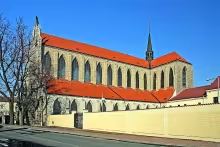
Sedlecký Klášter, located near Kutná Hora in the Czech Republic, is a historically significant cultural monument. Founded in 1142 as Bohemia's first Cistercian monastery, it is notable for its architectural evolution and regional historical role. In 1995, it gained recognition when included in the UNESCO World Heritage Site listing for Kutná Hora town centre, primarily due to its outstanding Baroque architecture. Additionally, Sedlecký Klášter houses the unique Sedlec Ossuary.
The monastery's origins trace back to 1142, established by Miroslav under Bishop Jindřich Zdík of Olomouc's guidance. This marked the beginning of Cistercian monasticism in Bohemia during a period of political and religious consolidation under the Přemyslid dynasty. It thrived particularly under Abbot Heinrich Heidenreich, who leveraged regional silver mining to enhance its influence and wealth.
Architecturally, Sedlecký Klášter underwent several transformations. Initially Romanesque, it was remodeled into Gothic architecture between 1280 and 1320. The abbey church, dedicated to the Assumption of Mary and Saint John the Baptist, exemplifies this transition with its basilica form featuring five naves built during this period. However, in April 1421, Hussite forces led by Jan Žižka destroyed the monastery, resulting in significant loss, including many monks' lives. Despite these setbacks, parts of the convent church survived, and reconstruction began at the start of the 18th century.
The abbey's fortunes fluctuated over time, with a revival occurring in 1620 after its destruction by the Hussites. This resurgence was marked by further architectural developments post-Thirty Years' War, enhancing its Baroque elements. The chapel of All Saints, associated with the Brotherhood of the Holy Sepulchre since 1389, underwent several reconstructions and significant Baroque remodeling in 1710 by Jan Santini Aichel.
Ownership and administration of Sedlecký Klášter saw dramatic changes over the centuries. After its revival post-1421, it flourished until its dissolution in 1783. The abbey's influence extended through the establishment of daughter monasteries like Frauental in Pohled, reflecting its broader impact on Cistercian expansion.
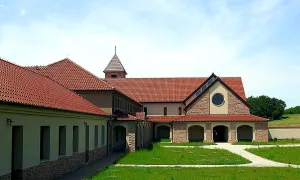
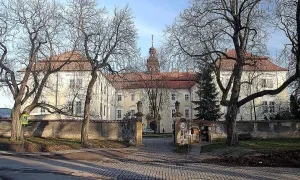
Today, Sedlecký Klášter blends historical significance with modern industry. While remnants of its past are evident, the area now hosts a cigarette factory operated by Philip Morris ČR a. s., indicating a shift from monastic origins to contemporary use. Despite these changes, the monastery remains an important cultural and historical landmark.
Visitors can explore Sedlecký Klášter's rich history and architectural beauty, particularly appreciating its Baroque elements that contribute to its UNESCO status. The presence of the Sedlec Ossuary adds a unique dimension, making it a compelling destination for those interested in both history and art. This monument stands as a testament to the enduring legacy of Cistercian monasticism in Bohemia, inviting exploration and reflection on its historical journey.
Historical milestones
- 1142
- Foundation of the Sedlec Monastery as the first Cistercian abbey in Bohemia.
- 1280-1320
- Renovation of the monastery into Gothic architecture.
- 1421
- Destruction of the monastery by Hussite forces led by Jan Žižka.
- 1620
- Restoration of the monastery after its destruction by the Hussites.
- 1710
- Baroque renovation of the All Saints' Chapel by Jan Santini Aichel.
- 1783
- Dissolution of the monastery and it
Architectural development
The original construction began in 1142, following Cistercian architectural principles. Over time, it expanded its influence and wealth through land ownership and mining operations. The monastery faced several periods of decline due to economic hardships and political turmoil.
Historical events
1142: Foundation of Sedlecký klášter by Miroslav with advice from Bishop Jindřich Zdík.
1421: Destruction by Hussite forces, leading to the monastery's decline.
Points of interest
- The Sedlecký Klášter was founded in 1142 by Miroslav under the guidance of Bishop Jindřich Zdík of Olomouc, marking it as Bohemia's first Cistercian monastery during a time when the Přemyslid dynasty was consolidating power.
- Under Abbot Heinrich Heidenreich, Sedlecký Klášter capitalized on regional silver mining to boost its wealth and influence, showcasing how economic resources were pivotal in enhancing monastic power.
Guide
Show guide text
Welcome to the historic Sedlecký Klášter in Sedlec, a place where history whispers through its stones and stories of faith echo across centuries. As you stand here, surrounded by the serene beauty of this ancient site, imagine yourself stepping back into a time when monastic life was at the heart of spiritual and cultural development.
The origins of Sedlecký Klášter date back to 1142 when it was founded by the nobleman Miroslav. Guided by Bishop Jindřich Zdík of Olomouc, this monastery became Bohemia's first Cistercian establishment during a time when the Přemyslid dynasty was consolidating power. This pivotal moment in history marked the beginning of a spiritual journey that would see Sedlecký Klášter become one of the most influential monastic communities in the region.
As you look around, take note of the architectural evolution that this site has undergone. Initially constructed as a Cistercian monastery and priory, its transformation into a Gothic masterpiece between 1280 and 1320 reflects not just changes in style but also the monastery's growing importance. The baroque chapel of Všech svatých, designed by Jan Santini Aichel in 1710, stands out as a testament to the artistic and architectural innovation that flourished here.
The history of Sedlecký Klášter is rich with stories of key figures who shaped its destiny. Among them was Abbot Heinrich Heidenreich, whose leadership propelled the monastery into a period of significant development and influence. His vision and dedication left an indelible mark on this sacred site, weaving his legacy into the very fabric of Sedlecký Klášter.
One intriguing aspect of this place is its resilience in the face of adversity. In 1421, it was destroyed by Hussite forces led by Jan Žižka, yet like a phoenix rising from the ashes, the monastery was restored after the Battle of White Mountain in 1620. This cycle of destruction and renewal speaks volumes about the enduring spirit of Sedlecký Klášter.
As we conclude our journey through time at this historic site, I invite you to linger a little longer, to explore every corner and imagine the lives that once filled these spaces with prayer, work, and community. Sedlecký Klášter is not just a monument; it's a portal to the past, offering insights into the spiritual and cultural tapestry of Bohemia.
Thank you for joining me on this exploration of history and heritage at Sedlecký Klášter. May your visit inspire reflection, curiosity, and a deeper appreciation for the stories etched in stone and spirit here in Sedlec. Farewell, until our paths cross again in another chapter of discovery.
Businesses nearby
Nearby
Today, the site hosts a cigarette factory operated by Philip Morris ČR a. s., with remnants of its historical significance still evident.
Accommodation nearby
Trips and activities nearby
Guided tours, tickets and activities nearby from GetYourGuide
Search tours and activities →Themed route
Tematická výletní trasa: Sedlecký klášter a jeho okolí
1. Sedlecký klášter (klášter) Začněte svou cestu u samotného Sedleckého kláštěru, který je nejvýznamnější památkou obce Sedlec. Klášter je známý zejména díky svému historickému hrobu s kostmi a bohaté architektuře z gotického období. Je to místo, kde můžete prozkoumat fascinující minulost a uchvátivou atmosféru klášterního života.
2. Philip Morris ČR a. s. (cigaretový závod) Přibližně 1 km od kláštěra najdete dnešní závod Philip Morris, který se nachází na původním místě bývalého klášterního areálu. Zde je zajímavé prozkoumat, jak historické místo přežilo a transformovalo se do moderního průmyslového prostředí. Navštívte závod, abyste si všimli, jak se historie prolíná s současným podnikáním.
3. Památník na hřbitově u kláštera (pohřebiště) Na samotném hřbitově u kláštěra je umístěn památník, který připomíná historické dějiny a význam tohoto místa. Je to místo, kde můžete zastavit a reflektovat nad minulostí kláštera a jeho vlivem na okolní oblasti. Navštívte ho pro hlubší pochopení kulturního dědictví Sedlec.
Tato trasa nabízí kombinaci historických, architektonických i průmyslových zajímavostí v blízkosti kláštera, což umožňuje prohloubené poznání oblasti.
Seasonal recommendations
Spring: Visiting Sedlec Monastery during spring offers a unique experience as the ruins are enveloped by a blanket of fresh greenery and blooming flowers, creating a vibrant contrast against the ancient stones. The soft, dappled sunlight filtering through budding trees enhances the mystical atmosphere of the site, making it an ideal time for photography enthusiasts. While the weather can be unpredictable with occasional showers, layers of clothing are recommended to adapt to changing conditions. Early mornings or late afternoons are best for visiting to avoid larger crowds that gather as the day warms up.
Summer: Summer at Sedlec Monastery is characterized by long daylight hours and warm temperatures, making it perfect for leisurely exploration of the ruins. The lush landscape in full bloom adds a picturesque quality to the site, while the bright sunlight accentuates the textures of the ancient architecture. However, this season also attracts more visitors, so arriving early in the morning or later in the afternoon can help avoid peak times. Light, breathable clothing and sun protection are advisable due to the increased UV exposure.
Autumn: The autumn months bring a stunning display of fall colors at Sedlec Monastery, with vibrant reds, oranges, and yellows transforming the surrounding landscape into a breathtaking backdrop for the ruins. Cooler temperatures make it an ideal time for walking around without the discomfort of summer heat, while the crisp air enhances the serene atmosphere. As the days shorten, planning your visit during daylight hours is recommended to fully appreciate the site's beauty. Layered clothing will ensure comfort as temperatures can vary.
Winter: Winter at Sedlec Monastery offers a stark yet beautiful landscape, with snow-covered ruins providing a hauntingly picturesque scene. The shorter days and colder weather create an intimate atmosphere, perfect for those seeking solitude or inspiration. However, accessibility might be limited due to potential snowfall, so checking the site's opening hours in advance is wise. Warm clothing, including hats and gloves, along with sturdy footwear, are essential for a comfortable visit during this season.
Visualizations and artistic views

Vizualizace jsou generovány umělou inteligencí a slouží jako inspirace.


Tips from visitors
No tips yet. Be the first!
Log in and add your tip.
Location on the map


Příběhy a pověsti
Legendy, pověsti a příběhy spjaté s touto památkou
Reviews and comments