






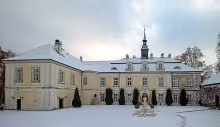
Nový Berštejn Castle is a 16th-century Renaissance castle situated in the village of Nový Berštejn, near Dubá. This castle stands out for its unique pseudobaroque style, which was popular in the 19th century, and its beautiful chapel and large park. Built as a replacement for the old Berkenštejn Castle, destroyed by the Hussites, Nový Berštejn Castle has undergone several transformations over the centuries, including a Baroque renovation in the 18th century and a pseudobaroque update in the 19th century.
The castle was constructed in the 16th century by Adam Berka of Dubá, a member of the noble family of Berka of Dubá. It was built as a replacement for the old Berkenštejn Castle, which was destroyed by the Hussites. The castle's original style is Renaissance, but it underwent a Baroque renovation in the 18th century, featuring new wings and a chapel. In the 19th century, the castle was updated in the pseudobaroque style.
Throughout its history, the castle has had several owners. Adam Berka of Dubá built the castle in 1553, and it was later owned by Václav Berka z Dubé, Adam z Valdštejna, Albrecht z Valdštejna, Theobald Václav Buttler, František Karel Rudolf Swéerts-Sporck, Arnošt z Valdštejna, Tomáš Maglič, Růžena Jiratová-Kabátová, and others. The castle was renovated in the Baroque style in 1723 by Theobald Václav Buttler and updated in the pseudobaroque style in the 19th century.
One of the most interesting aspects of Nový Berštejn Castle is its unique pseudobaroque style, which was popular in the 19th century. The castle also features a beautiful chapel and a large park. Today, the castle is a luxury hotel and a protected cultural monument.
Located in the village of Nový Berštejn, near the town of Dubá, the castle is situated in the rolling hills and forests of the surrounding landscape. Visitors can explore the castle's beautiful chapel and large park, and appreciate the unique pseudobaroque style of the castle. Nový Berštejn Castle is a must-see destination for anyone interested in history, architecture, and culture.
In conclusion, Nový Berštejn Castle is a remarkable monument offering a glimpse into the rich history and culture of the Czech Republic. Its unique pseudobaroque style, beautiful chapel, and large park make it a must-see destination for anyone interested in history, architecture, and culture. We invite you to visit Nový Berštejn Castle and experience its beauty and significance for yourself.
Historical milestones
- 1553
- The castle was built by Adam Berka of Dubá as a replacement for the old Berkenštejn Castle.
- 1723
- The castle was renovated in the Baroque style by Theobald Václav Buttler.
- 1810
- The castle was sold to Arnošt z Valdštejna.
- 1920
- The castle was bought by Tomáš Maglič and used as a luxury hotel.
Architectural development
The castle was built in the Renaissance style in the 16th century. It underwent a Baroque renovation in the 18th century, which included the addition of new wings and a chapel. In the 19th century, the castle was updated in the pseudobaroque style. Today, the castle is a luxury hotel and a protected cultural monument.
Historical events
The castle was built as a replacement for the old Berkenštejn Castle, which was destroyed by the Hussites.
The castle was renovated in the Baroque style in the 18th century.
The castle was updated in the pseudobaroque style in the 19th century.
The castle was used as a luxury hotel and a protected cultural monument.
Owners
Adam Berka z Dubé (1553-1618), Václav Berka z Dubé (1618-1634), Adam z Valdštejna (1634), Albrecht z Valdštejna (1634-1723), Theobald Václav Buttler (1723-1723), František Karel Rudolf Swéerts-Sporck (1723-1810), Arnošt z Valdštejna (1810-1918), Tomáš Maglič (1920-1935), Růžena Jiratová-Kabátová (1935-1945)
Points of interest
– The castle's chapel is said to contain a crypt where the remains of the Berka family are buried, including Adam Berka of Dubá, who built the castle in 1553.
– According to local legend, the castle's park is haunted by the ghost of a young woman who died under mysterious circumstances in the 18th century.
– The castle has undergone several transformations over the centuries, including a Baroque renovation in 1723, which was paid for by Theobald Václav Buttler, but the exact reason for this renovation remains unclear.
Guide
Show guide text
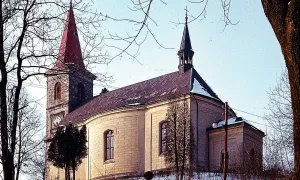
Welcome, and thank you for joining me at this remarkable place. You are standing before the imposing façade of Nový Berštejn, a Renaissance castle that has watched centuries pass from its hilltop perch in the village of Nový Berštejn, just a stone’s throw from the town of Dubá. The stone walls rise in a dignified rhythm, the windows framed by subtle stonework that hints at the castle’s layered history. Feel the cool stone under your fingertips and imagine the generations of people who have walked these same steps.
Let’s step back in time. In 1553, Adam Berka of Dubá, a man of ambition and vision, commissioned the construction of this very castle to replace the older Berkenštejn fortress. He wanted a home that reflected the elegance of the Renaissance, a symbol of his status and a sanctuary for his family. The castle’s original design, attributed to architect Václav Špaček, embraced the symmetry and proportion that were hallmarks of the era, while also incorporating the practical needs of a noble residence.
Fast forward to the early 18th century. In 1723, the castle underwent a significant transformation. Theobald Václav Buttler, a prominent figure of his time, led a Baroque renovation that added sweeping curves, ornate balconies, and a more dramatic façade. Notice how the windows now have slightly larger frames, and the stonework appears more elaborate—these are the marks of the Baroque touch that softened the strict Renaissance lines. The castle’s appearance today is a blend of these two styles, a visual narrative of its evolution.
The next chapter of Nový Berštejn’s story begins in 1810, when the estate was sold to Arnošt z Valdštejna. Though the records are sparse, this change of ownership brought new life to the castle’s interiors. The Valdštejna family, known for their patronage of the arts, likely added their own touches, perhaps commissioning frescoes or rearranging the rooms to suit their tastes. The castle’s name, however, remained tied to its original builder, a testament to Adam Berka’s lasting legacy.
In the early 20th century, in 1920, the castle entered a new era under the ownership of Tomáš Maglič. He transformed the historic residence into a luxury hotel, opening its doors to guests who could now experience the grandeur of the castle firsthand. Imagine the guests strolling through the halls, the scent of polished wood, the echo of their footsteps on the stone floors—an intimate blend of history and hospitality.
Now, let’s focus on the architecture that you can see right now. The façade is dominated by a symmetrical arrangement of windows, each framed by stone lintels that hint at the Renaissance influence. The Baroque renovation is evident in the subtle curves that soften the edges of the façade, especially around the central entrance. Notice the modest yet elegant balcony that crowns the main door—a small but significant detail that speaks to the castle’s layered aesthetic. The stone walls themselves are a testament to the craftsmanship of the 16th century, yet they have weathered the transformations of the centuries with resilience.
Inside, the castle’s chapel holds a secret that adds a layer of intrigue to this historic site. According to tradition, the chapel houses a crypt where the remains of the Berka family are interred. Among those buried are Adam Berka of Dubá himself, the very man who commissioned this fortress. The chapel’s modest interior, with its simple altar and subdued lighting, offers a quiet space for reflection. If you could step inside, you would feel the weight of history, the quiet reverence that has been preserved for generations.
Now, let’s turn to a tale that has lingered in the local folklore for centuries. The park surrounding Nový Berštejn is said to be haunted by the ghost of a young woman who died under mysterious circumstances in the 18th century. While the exact details of her story remain shrouded in mystery, the legend speaks of a sorrowful spirit that wanders the grounds, a reminder of the human stories that intertwine with the stone and mortar of this place. Whether you believe in ghosts or not, the tale adds a layer of mystique that invites you to ponder the unseen lives that have touched this castle.
As we stand here, the castle’s past and present converge. The stone walls, the Baroque balconies, the Renaissance proportions—all speak to the people who have shaped this place. The chapel’s crypt connects us to the family that built it, and the ghostly legend invites us to imagine the untold stories that linger in the air. Each detail, each stone, each window frame is a page in the book of Nový Berštejn’s history.
I invite you to take your time exploring the grounds. Walk along the perimeter, feel the texture of the stone, and let your imagination fill in the gaps of the stories we’ve touched upon. If you have the chance, step into the castle’s interior—if it’s open to visitors—and let the whispers of the past guide you through its halls. Whether you’re drawn by the architecture, the history, or the legend, Nový Berštejn offers a unique experience that blends the tangible with the intangible.
Thank you for sharing this moment with me. I hope the stories of Adam Berka, Theobald Václav Buttler, Arnošt z Valdštejna, and Tomáš Maglič have enriched your visit. May the echoes of the past
Businesses nearby
Do you run a restaurant, accommodation, shop, museum, rental, wellness or other visitor service near this monument? Show yourself directly to the people heading to it — this is how they will see you in the app and on the web:
Nearby
The castle is located in the village of Nový Berštejn, near the town of Dubá. The surrounding landscape is rolling hills and forests. The castle is surrounded by a large park and a chapel.
Accommodation nearby
Themed route
Nový Berštejn Castle – Castle – The centerpiece of the area, its Renaissance architecture and storied history offer a glimpse into the region’s past. Castle Park – Park – A sprawling green space surrounding the castle, perfect for leisurely strolls and scenic photo opportunities. Chapel of the Castle – Chapel – A tranquil, architecturally distinct chapel that adds spiritual depth to the castle grounds. Dubá Town Center – Town – A short walk to the nearby town where local shops, cafés, and historic streets provide a charming contrast to the castle’s grandeur. Rolling Hills and Forests Walk – Nature Walk – Explore the gentle hills and dense woods that frame the area, offering panoramic views and a peaceful escape into nature.
Seasonal recommendations
Spring at Nový Berštejn is a gentle awakening: the castle’s stone walls catch the soft, golden glow of early‑morning sun, while the surrounding gardens burst into a riot of tulips and crocuses. A light jacket and a walking stick for the cobbled paths are enough; the usual crowds are still thin, so you can wander the courtyard before the midday rush. If you’re after the best light for photos, aim for the first hour after opening—mist still lingers over the moat, adding a dreamy haze.
Summer brings a bright, almost theatrical atmosphere. The long daylight hours mean the castle’s interior halls are bathed in warm, natural light that highlights the intricate woodwork and frescoes. Expect larger crowds, especially on weekends, so arriving right when the gates open keeps you ahead of the tide. Pack a wide‑brimmed hat, sunscreen, and a reusable water bottle; the stone can feel hot under the sun, and a light, breathable outfit will keep you comfortable while you explore the expansive gardens and the panoramic views of the Liberec countryside.
Autumn paints the estate in rich amber and russet tones. The cooler temperatures and crisp air make the castle’s stonework feel almost dramatic, with the surrounding trees shedding leaves that drift across the courtyard. Mid‑afternoon, when the light softens, is ideal for capturing the castle’s silhouette against the sky. A layered outfit—think a light sweater over a long‑sleeve tee—provides flexibility as the temperature can swing from cool mornings to pleasantly warm afternoons. The visitor numbers dip after the peak summer season, offering a quieter, more contemplative experience.
Winter offers a quiet, almost ethereal setting. Snow dusts the towers and the moat, turning the castle into a winter postcard. The opening hours are shorter, so plan to arrive around midday when the castle is fully lit and the interior is warm. Heavy coats, gloves, and sturdy boots are essential, as the paths can be icy. The stillness of the grounds, broken only by the occasional footfall, makes for a peaceful walk that feels like stepping back in time.
Visualizations and artistic views

Vizualizace jsou generovány umělou inteligencí a slouží jako inspirace.


Tips from visitors
No tips yet. Be the first!
Log in and add your tip.


Reviews and comments