





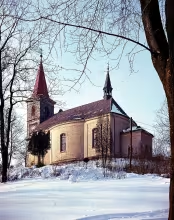
The Church of Saint Peter and Paul in Tanvald is a Roman Catholic parish church located in the town of Tanvald, within the Liberec Region. Constructed between 1787 and 1789 in the Rococo style, this architectural gem underwent significant renovations from 1889 to 1890. Its historical significance lies not only in its religious function but also as an example of late 18th-century European architecture influenced by cultural shifts within the Habsburg Monarchy.
Originally built during a period when Bohemia was part of the Habsburg Monarchy, the church reflects cultural and architectural developments influenced by Rococo style. This era saw significant political changes leading up to the French Revolution, contextualizing the church's construction as part of broader European trends. Its completion in 1789 marked a time when religious architecture evolved alongside societal shifts.
Architecturally, the Church of Saint Peter and Paul features a single-nave design with slightly convex side walls and an oblong presbytery that includes a sacristy. The tower, constructed from ashlar blocks, showcases pilasters, segmental windows, and a robust portal, blending Rococo elements with historicist styles introduced during late 19th-century renovations. The nave and presbytery have flat ceilings, while the undercroft boasts a cross vault, adding to its architectural interest.
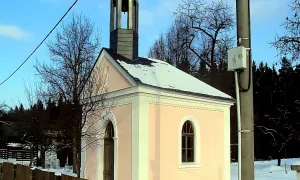
The church's interior includes historical artifacts such as a portrait of town mayor J. M. Friedrich, dated 1790, housed within the sacristy. This piece adds a personal touch to the church’s history by linking it directly to local figures from its early years. Nearby stands a Baroque chapel constructed in 1727, featuring an onion dome and cross vault, complementing the church's historical narrative.
Today, the Church of Saint Peter and Paul remains accessible for visitors interested in architectural history and religious heritage. Its proximity to other historic structures like the Baroque chapel and the statue of Saint Joseph from 1777 enriches its appeal as part of a broader cultural landscape. The church’s preservation allows it to serve not only as a place of worship but also as an educational site for those interested in regional architectural evolution.
Visiting the Church of Saint Peter and Paul offers a unique glimpse into the past, where architecture and history converge. Its enduring presence is a testament to the cultural and religious significance that has shaped Tanvald over centuries. For anyone with an interest in historical architecture or European heritage, this church provides a compelling reason to explore the rich tapestry of stories embedded within its walls.
Historical milestones
- 1787
- Začátek stavby kostela svatého Petra a Pavla v Tanvaldu.
- 1789
- Dokončení stavby kostela svatého Petra a Pavla.
- 1889
- Začátek významných rekonstrukcí kostela.
- 1890
- Dokončení významných rekonstrukcí kostela.
- 1790
- Portrét starosty J. M. Friedricha uložen do sakristie.
Architectural development
The Church of Saint Peter and Paul was initially built in the Rococo style during the late 18th century. A century later, it underwent renovations that introduced elements of historicism. The church's architecture includes a tower with ashlar blocks, pilasters, segmental windows, and a prominent portal. Both the nave and presbytery feature flat ceilings, while the undercroft boasts a cross vault.
Historical events
Construction completed in 1789
Renovations carried out from 1889 to 1890
Points of interest
- The Church of Saint Peter and Paul was completed in 1789, coinciding with the French Revolution's onset, reflecting how European architectural styles were influenced by contemporaneous political upheaval.
- During its late 19th-century renovations, the church incorporated historicist elements into its original Rococo design, showcasing a blend of stylistic influences that highlight evolving aesthetic preferences within the Habsburg Monarchy.
Guide
Show guide text
Welcome to Tanvald, where you are standing before the historical monument of St. Peter and Paul Church, which is not only a spiritual center but also an architectural gem. You stand in front of an elegant structure from the 18th century, whose history intertwines with key events in European destiny.
Let's start by recognizing what you see before you: a single-story church with gently bulging sides and a rectangular presbytery that contains the sacristy. Its architecture is influenced by Rococo style, giving it delicate and elegant features. Although the specific architects remain unknown, their work stands as a testament to the artistic taste of the era.
The church was built between 1787 and 1789, during a time full of changes and revolutions. Its completion coincides with the beginning of the French Revolution, reflecting how political events could influence artistic expression at that time. This historical context adds another layer of significance to the church.
Let's examine the architectural details you can notice: the single-story layout and gently curved sides. These elements are characteristic of Rococo style, which was developing in Europe during this period. The interior space is designed to be harmonious and welcoming, reflecting the spiritual purpose of this place.
Key historical figures associated with this site include Mayor J. M. Friedrich, whose portrait was placed in the sacristy in 1790. Although specific individuals are not documented, it's interesting to consider that the church served as a center for the local community and likely many personal and social events.
An intriguing aspect of this place is that during significant reconstructions from 1889 to 1890, historical elements were incorporated into the church's architecture. These changes reflect the evolution of aesthetic preferences and technologies, giving the church a unique blend of elements from different periods.
As you walk around the church, take note of the delicacy of details and the atmosphere this ancient temple exudes. Whether you look at the façade or ponder the historical events associated with this monument, it is a place full of stories and inspiration.
I recommend paying attention to other details and perhaps deciding to explore the surrounding areas of Tanvald. Whether you return to the church or continue your journey, I hope your visit was filled with discoveries and understanding of this historic site. Godspeed on the next part of your adventure!
Tips for visitors
The best time to visit the Church of Saint Peter and Paul in Tanvald is during late spring or early autumn when the weather is pleasant, and you can enjoy the surrounding natural beauty without the crowds typical of summer months. The soft light during these seasons also enhances the architectural details of both the church and nearby Baroque chapel.
Parking near the Church of Saint Peter and Paul is generally available in Tanvald's town center. For those preferring public transport, there are bus services that connect to Tanvald; however, it’s advisable to check current schedules online for the most accurate information. The area around the church is pedestrian-friendly, making it easy to explore on foot.
When visiting, consider bringing comfortable walking shoes as you'll likely want to explore both the church and its surroundings. A camera or smartphone with a good camera can help capture the intricate details of the Rococo-style architecture and the serene atmosphere of the Baroque chapel nearby. Don’t forget your water bottle and perhaps some snacks if planning an extended visit.
For photography enthusiasts, early morning light offers a soft glow that beautifully illuminates the church's façade and highlights the architectural features of the adjacent Baroque chapel. The statue of Saint Joseph near house number 166 also makes for a compelling subject, especially with its relief of the Virgin Mary when backlit by the setting sun.
Families visiting the Church of Saint Peter and Paul can enjoy a peaceful walk to the nearby Baroque chapel built in 1727, which is an excellent spot for children to learn about historical architecture. The statue of Saint Joseph offers another engaging point of interest with its artistic detail. Exploring these sites within a short distance from each other makes it convenient for family outings.
Businesses nearby
Do you run a restaurant, accommodation, shop, museum, rental, wellness or other visitor service near this monument? Show yourself directly to the people heading to it — this is how they will see you in the app and on the web:
Nearby
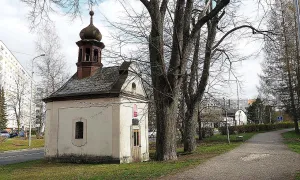
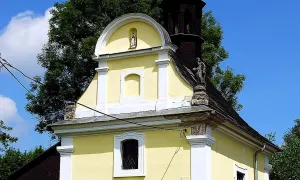
In the vicinity of the church, there is a Baroque chapel built in 1727 with distinctive architectural features such as oblique corner pilasters and a polycapital portal. Additionally, a statue of Saint Joseph from 1777 stands near house number 166, featuring a relief of the Virgin Mary on its stone base.
Accommodation nearby
Trips and activities nearby
Guided tours, tickets and activities nearby from GetYourGuide
Search tours and activities →Themed route
Tematická výletní trasa: Kostel svatého Petra a Pavla (Tanvald)
1. Kostel svatého Petra a Pavla (Tanvald) - *Typ:* Kostel - *Proč stojí za návštěvu:* Tento kostel je centrálním duchovním místem v obci Tanvald, nabízející pohled na historickou architekturu a klidnou atmosféru. Je to ideální místo pro ty, kteří chtějí zažít bohaté dědictví regionu a uvolnit se v jeho klidné prostředí.
2. Barokní kaple (Tanvald) - *Typ:* Kaple - *Proč stojí za návštěvu:* Postavená v roce 1727, tato barokní kaple je známá svými jedinečnými architektonickými rysy, jako jsou skloněné koutové pilastry a polycapitální portál. Je to krásný příklad barokního umění v regionu a nabízí pohled na historickou architekturu, která se liší od kostela.
3. Socha svatého Josefa (Tanvald) - *Typ:* Socha - *Proč stojí za návštěvu:* Umístěná u domu číslo 166, tato socha z roku 1777 je významnou kulturní památkou. Její kamenitá podstavba s reliéfem Panny Marie přidává hloubku a historický kontext této oblasti. Socha svatého Josefa je ideálním místem pro ty, kteří mají zájem o sochařské umění a náboženskou ikonografii.
Tato trasa nabízí pohled na klíčové historické a kulturní prvky v obci Tanvald, zaměřené kolem kostela svatého Petra a Pavla.
Seasonal recommendations
Spring: Visiting the Church of Saints Peter and Paul during spring offers a refreshing experience as nature awakens around Tanvald. The surrounding landscape is adorned with blooming flowers, creating a picturesque setting that enhances the church's historical charm. The gentle warmth of the season makes it an ideal time for leisurely exploration without the summer crowds. Visitors are advised to wear comfortable layers, as temperatures can vary throughout the day. Early mornings or late afternoons are recommended for quieter visits, allowing you to fully appreciate the serene atmosphere and natural beauty.
Summer: In summer, the Church of Saints Peter and Paul is bathed in warm sunlight, which highlights its architectural details beautifully. This season attracts more visitors due to Tanvald's pleasant weather and vibrant greenery. The church grounds can be lively with families enjoying outdoor activities nearby. To avoid crowds, consider visiting early in the morning or later in the afternoon. Light clothing is recommended for comfort during your visit, but don't forget a hat and sunscreen if you plan on spending time outside.
Autumn: Autumn brings a stunning display of colors to the area surrounding the Church of Saints Peter and Paul, with leaves turning shades of red, orange, and gold. This season offers a unique atmosphere as the cooler temperatures create a tranquil environment for visitors seeking solace in nature's beauty. It’s an excellent time to capture photographs of the church against the backdrop of fall foliage. Dressing in layers is advisable due to fluctuating temperatures throughout the day. Visiting during weekdays can provide a more peaceful experience, allowing you to enjoy the serene ambiance without large crowds.
Winter: Winter transforms the Church of Saints Peter and Paul into a picturesque scene with snow-covered surroundings that add an enchanting touch to its historic architecture. The colder months bring shorter days, so plan your visit accordingly, as opening hours may be limited. It's essential to dress warmly in layers and wear appropriate footwear for walking on potentially icy paths. Despite the chill, winter offers a quiet time to explore with fewer visitors, providing a more intimate experience of this historical site. Early visits are advisable to make the most of daylight hours and enjoy the unique charm of Tanvald in the snow.
Visualizations and artistic views

Vizualizace jsou generovány umělou inteligencí a slouží jako inspirace.


Tips from visitors
No tips yet. Be the first!
Log in and add your tip.



Reviews and comments