





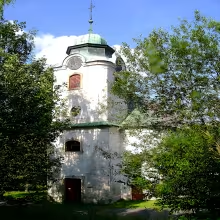
The Church of Saint Martin in Zlatá Olešnice stands as a testament to the late Baroque period's architectural and cultural heritage within the Czech Republic. Constructed between 1780 and 1784, this Roman Catholic parish church embodies religious devotion and reflects significant artistic trends of its time. Its designation as a cultural monument since 1963 highlights its role in preserving regional architecture.
The origins of the Church of Saint Martin are deeply rooted in the late 18th century, during Bohemia's integration into the Habsburg Monarchy. This era saw notable cultural and architectural developments influenced by Baroque art. Built to serve as both a place of worship and a symbol of religious power, its consecration on the third Sunday of October in 1784 marked its readiness for these roles.
Architecturally, the Church of Saint Martin is distinguished by its late Baroque style, featuring a single-nave structure with a segmental presbytery. The design includes a sacristy on the south side and a distinctive pyramidal tower at the western façade. Inside, visitors find a flat ceiling complementing the Baroque furnishings that adorn the interior, contributing to both its aesthetic appeal and historical significance.
Over the years, the church has undergone modifications and restorations to preserve its structural integrity and artistic value. In 1933, the original shingle roof was replaced with sheet metal, reflecting practical adaptations to changing materials and technologies. A comprehensive restoration occurred between 1970 and 1972, involving extensive labor and funding by the District Heritage Care, ensuring the church's preservation for future generations.
The interior is richly decorated with Baroque furnishings, including a main altar featuring a mid-18th-century painting of Saint Martin. Although considered an average work of its time, this artwork holds historical value as part of the original design. The altar also houses statues of Saints Lawrence, Florian, John of Nepomuk, and John the Baptist, all crafted in the mid-18th century. Additionally, a small altar dedicated to Saint Luke showcases a late 18th-century folk painting, adding artistic interest.
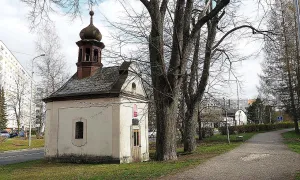
Nearby, on a bridge, stands a statue of Saint John of Nepomuk by A. Sucharda, dating back to 1885. This sculpture enriches the historical and cultural landscape surrounding the church, offering visitors more than just an exploration of the church itself.
Today, the Church of Saint Martin remains accessible to those wishing to experience its architectural beauty and historical significance firsthand. As a protected cultural monument, it continues to serve as a place of worship while attracting history and architecture enthusiasts. Its preservation efforts ensure that this late Baroque masterpiece endures as a cherished landmark in Zlatá Olešnice.
Visiting the Church of Saint Martin offers a unique opportunity to connect with the past and appreciate the enduring legacy of Baroque artistry within the Czech Republic. Whether drawn by its historical significance, architectural beauty, or spiritual ambiance, this church is undoubtedly worth exploring.
Historical milestones
- 1963
- The church was designated as a cultural monument.
- 1784
- The church was consecrated on the third Sunday of October.
- 1933
- The original shingle roof was replaced with sheet metal.
- 1970-1972
- A major restoration took place.
Architectural development
Constructed in the late Baroque style during 1780-1784, the church underwent significant changes over time. In 1933, its original shingle roof was replaced with sheet metal. A comprehensive restoration occurred from 1970 to 1972, involving extensive labor and funding by the District Heritage Care.
Historical events
The church was consecrated in 1784.
In 1933, the original shingle roof was replaced with sheet metal.
A major restoration took place between 1970 and 1972.
Points of interest
- The Church of Saint Martin's consecration date is particularly notable as it occurred on the third Sunday of October in 1784, aligning with a tradition that emphasizes specific liturgical periods for dedicating churches.
- A unique aspect of the church’s history involves its roof; originally covered with shingles, it was replaced with sheet metal in 1933. This change reflects broader trends in construction materials and techniques during that period.
Guide
Show guide text
Welcome to the Church of Saint Martin in Zlatá Olešnice, a remarkable gem nestled within the scenic landscapes of Liberecký kraj. As you stand before this historical monument, take a moment to soak in its serene presence and architectural grace that have captivated visitors for centuries.
The journey of this church began between 1780 and 1784, emerging as a testament to the late Baroque style's elegance during a time when spiritual devotion was intertwined with artistic expression. Although the architects remain unnamed, their vision has left an indelible mark on Zlatá Olešnice. The Church of Saint Martin was consecrated on a significant day—the third Sunday of October in 1784—a date that aligns beautifully with liturgical traditions emphasizing specific periods for dedicating churches.
As you gaze upon the church's structure, notice its single-nave design leading to a segmental presbytery. To your right, the sacristy adds a subtle yet important detail to its southern side. The pyramidal tower at the western façade draws your eyes upward, inviting you to ponder the craftsmanship of an era long past.
Inside, the church reveals more of its character with a flat ceiling that creates an intimate atmosphere for reflection and worship. Although specific interior details remain unmentioned, the simplicity of design speaks volumes about the period's architectural ethos.
Throughout its history, the Church of Saint Martin has witnessed several key events. In 1933, it underwent a significant change when its original shingle roof was replaced with sheet metal, marking an evolution in preservation techniques. A major restoration between 1970 and 1972 further ensured that this cultural monument, designated as such in 1963, would continue to stand proudly for future generations.
An intriguing aspect of the church's history is tied to its roof—a unique narrative element that connects it to both tradition and change over time. This detail not only adds a layer of historical interest but also highlights the ongoing dialogue between preserving heritage and embracing modernity.
As you prepare to explore further, let the Church of Saint Martin inspire you with its rich history and architectural beauty. We invite you to delve deeper into this sacred space, discovering the stories it holds within its walls. Thank you for visiting, and may your journey through Zlatá Olešnice be as enlightening as it is enchanting.
Businesses nearby
Do you run a restaurant, accommodation, shop, museum, rental, wellness or other visitor service near this monument? Show yourself directly to the people heading to it — this is how they will see you in the app and on the web:
Nearby
Near the church, on a bridge, stands a statue of Saint John of Nepomuk by A. Sucharda from 1885.
Accommodation nearby
Trips and activities nearby
Guided tours, tickets and activities nearby from GetYourGuide
Search tours and activities →Themed route
Thematic Walking Tour: Zlatá Olešnice
1. Kostel svatého Martina (Zlatá Olešnice) - Church Begin your journey at the heart of Zlatá Olešnice with a visit to the Church of Saint Martin. This historic church is renowned for its architectural beauty and cultural significance in the region. Explore its serene interior, which features stunning frescoes and intricate woodwork that reflect centuries of religious devotion.
2. Statue of Saint John of Nepomuk - Statue A short walk from the church, you'll find a remarkable statue of Saint John of Nepomuk on a nearby bridge. Created by A. Sucharda in 1885, this statue is not only an artistic masterpiece but also holds historical importance as it commemorates the patron saint of bridges and rivers. Take a moment to appreciate its detailed craftsmanship and the peaceful surroundings.
3. Nearby Bridge - Landmark Continue your exploration by visiting the bridge where the statue stands. This area offers picturesque views of the surrounding landscape, providing an ideal spot for reflection or photography. The bridge itself is a testament to local engineering skills from the past, adding another layer of historical interest to your visit.
This thematic tour allows you to immerse yourself in the rich history and cultural heritage of Zlatá Olešnice, focusing on its most significant landmarks within close proximity to each other.
Seasonal recommendations
Spring: Visiting the Church of St. Martin in Zlatá Olešnice during spring offers a unique experience as nature begins to awaken. The surrounding landscape bursts into vibrant colors with blooming wildflowers and fresh greenery, creating an enchanting atmosphere around the historic church. The gentle sunlight casts soft shadows on the stone walls, enhancing their ancient beauty. Visitors should consider wearing comfortable walking shoes for exploring nearby trails and light layers that can be adjusted as temperatures fluctuate throughout the day. While crowds are generally manageable, arriving earlier in the morning ensures a more peaceful visit before local tourists arrive.
Summer: Summer is an ideal time to explore the Church of St. Martin with its lush surroundings providing a picturesque backdrop. The warm sunshine illuminates the church’s architecture, casting long shadows that add depth and character to its historic façade. This season often sees increased visitor numbers due to the pleasant weather, so it's advisable to arrive early in the day to avoid larger crowds. Comfortable walking shoes are recommended for exploring the area, along with light clothing suitable for warm temperatures. Don't forget a hat or sunglasses to protect against the sun while enjoying your visit.
Autumn: Autumn brings a magical transformation to the Church of St. Martin as the leaves around Zlatá Olešnice change into rich hues of red, orange, and gold. This seasonal shift creates a stunning contrast with the church’s timeless architecture, making it an exceptionally photogenic destination. The cooler temperatures make for comfortable exploration without the summer heat. Visitors should wear layers to accommodate fluctuating weather conditions throughout the day. Although crowds are smaller compared to summer, arriving early is still recommended to fully appreciate the serene beauty of this season.
Winter: A winter visit to the Church of St. Martin offers a serene and contemplative experience as snow blankets the landscape, adding an ethereal quality to the historic site. The church stands out against the white backdrop, with its architecture taking on a majestic appearance under the soft glow of low-hanging sun or moonlight. Due to shorter daylight hours and potential weather conditions, it's best to check opening times in advance. Visitors should dress warmly in layers and wear sturdy boots for navigating snowy paths. The atmosphere is typically quieter during this season, providing an opportunity for a peaceful visit away from the busier summer months.
Visualizations and artistic views

Vizualizace jsou generovány umělou inteligencí a slouží jako inspirace.


Atmosphere of the place
Atmospheric visualization of the setting and era
Tips from visitors
No tips yet. Be the first!
Log in and add your tip.



Reviews and comments