





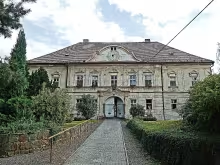
Zámek Choryně is a cultural monument located in the village of Choryně, about 6 km northwest of Valašské Meziříčí in the Zlín Region. Originally built as a Gothic water fortress, it transformed significantly over centuries into an Empire-style château by the early 19th century. This site is notable for its rich history and architectural evolution, reflecting various ownerships and styles that mark important periods in Czech cultural heritage.
The origins of Zámek Choryně date back to a Gothic water fortress purchased in 1480 by Ctibor Chorynský z Ledské, who began the family's association with the castle. The structure was later renovated into a Renaissance fortress, as evidenced by a stone plaque bearing the family coat of arms from 1573. During its early history, the castle played a role in regional political dynamics, notably when it was confiscated and sold to Hynk Sevěřský z Kuličova in 1623 following involvement in a rebellion.
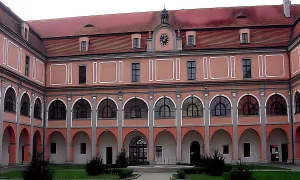
Architecturally, Zámek Choryně began as a Gothic fortress with features typical of medieval fortifications, such as being surrounded by a moat connected via a drawbridge. By the early 19th century, under Jan Křtitel Forgatsch's direction, it was transformed into an Empire-style château, reflecting broader European architectural trends influenced by Enlightenment ideals and the aftermath of the Napoleonic Wars.
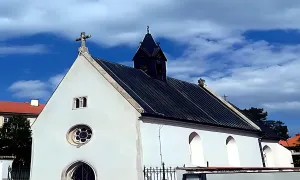
Ownership of Zámek Choryně changed hands several times throughout its history. After Hynk Sevěřský z Kuličova's acquisition in 1623, it was held by the free lords Kaldtschmidt von Eisenberg from 1653 until 1808. During their tenure, significant developments occurred, including the construction of St. Barbara's Church adjacent to the château in 1784 under Jan Nepomuk Kaldtschmidt z Eisenberku. In 1822, Jan Křtitel Forgatsch transformed it into an Empire-style château. The property later passed through various owners, including the knights of Holle and the Roman Catholic Church, before becoming a convent for Sisters of St. Cross in 1882.
The site served as a convent until its confiscation by the state in 1948, after which it was managed by Česká katolická charita. Post-1989, ownership returned to the Kongregace Milosrdných sester svatého Kříže, who used it until 2004. Since 2006, the château has been leased to Institutu Krista Velekněze, which operates a senior home for women named Panna Marie Královna.
Today, Zámek Choryně stands as a testament to its layered history and architectural transformations. Visitors can explore this cultural monument, appreciating both its historical significance and the serene beauty of its surroundings in the scenic landscapes of the Zlín Region. The château's rich past and current role make it a worthwhile destination for those interested in Czech heritage and architecture.
Historical milestones
- 1573
- Installation of a stone plaque with the family coat of arms on the castle courtyard.
- 1784
- Construction of St. Barbara's Church adjacent to the château under Jan Nepomuk Kaldtschmidt z Eisenberku.
Architectural development
Château Choryně began as a Gothic water fortress, later renovated to Renaissance style. In the early 19th century, it was transformed into an Empire-style château under Jan Křtitel Forgatsch's direction. The structure has seen various architectural phases reflecting its evolving function and ownership.
Historical events
1480: Purchased by Ctibor Chorynský z Ledské, initiating the family's association with the castle.
1623: Confiscated and sold to Hynk Sevěřský z Kuličova after involvement in a rebellion.
1822: Transformed into an Empire-style château by Jan Křtitel Forgatsch.
Owners
Ctibor Chorynský z Ledské (1480), Hynk Sevěřský z Kuličova (1623), free lords Kaldtschmidt von Eisenberg (1653-1808), Jan Křtitel Forgatsch (1822), knights of Holle, Roman Catholic Church, Česká katolická charita (1948-1989), Kongregace Milosrdných sester svatého Kříže (post-1989).
Points of interest
- The transformation of Zámek Choryně from a Gothic water fortress to an Empire-style château reflects the broader European architectural trends influenced by Enlightenment ideals and post-Napoleonic Wars aesthetics. This transition is particularly notable under Jan Křtitel Forgatsch's direction in the early 19th century.
- In 1623, Zámek Choryně was confiscated due to Hynk Sevěřský z Kuličova’s involvement in a rebellion against the ruling powers. This event underscores the castle's role in regional political dynamics and its strategic importance during periods of unrest.
Guide
Show guide text
Welcome to the historic site of Zámek Choryně, nestled in the picturesque village of Choryně within the Zlínský kraj region. As you stand here with your headphones on, ready to delve into its storied past, take a moment to absorb the serene surroundings and the grandeur that has stood the test of time.
Zámek Choryně began its journey as a Gothic structure, reflecting the architectural styles of its era. Over centuries, it transformed significantly—first into a Renaissance fortress and later, under the influence of Enlightenment ideals and post-Napoleonic aesthetics, into an Empire-style château at the dawn of the 19th century. This evolution mirrors broader European trends, making Choryně not just a local treasure but part of a larger historical narrative.
As you look around, notice the harmonious blend of architectural styles that tell tales of adaptation and change. The courtyard, with its stone plaque featuring the family coat of arms installed in 1573 by Ctibor Chorynský z Ledské, is a testament to the castle's storied past. This plaque remains a silent witness to the many hands that have shaped this place.
Adjacent to the château stands St. Barbara's Church, constructed in 1784 under the guidance of Jan Nepomuk Kaldtschmidt z Eisenberku. The church adds another layer to Choryně’s rich tapestry, reflecting religious and cultural influences during a period of significant transformation.
The history of Zámek Choryně is marked by notable figures such as Hynk Sevěřský z Kuličova and Jan Křtitel Forgatsch. It was under Forgatsch's direction that the château embraced its Empire-style makeover, a period during which it gained much of its current character.
A fascinating aspect of Zámek Choryně is how it encapsulates the shifting tides of history through architecture and ownership. Each layer added to its structure represents an era, an owner, or a style that contributed to its legacy.
As you continue your exploration, allow yourself to be immersed in the atmosphere of this cultural monument. Let the stories embedded within these walls inspire curiosity and wonder. Remember, every corner holds a piece of history waiting to be discovered.
Thank you for joining me on this journey through time at Zámek Choryně. I invite you to delve deeper into its mysteries and enjoy uncovering more hidden gems as you explore further. Until next time, may your adventures be filled with discovery and delight.
Tips for visitors
The best time to visit Château Choryně is during the late spring or early autumn months, from May to September. During these periods, the weather is typically mild and pleasant, making it ideal for exploring both the castle grounds and the surrounding natural beauty of the Zlín Region. Additionally, visiting in this timeframe allows you to experience local cultural events that may be held at the château or nearby Valašské Meziříčí.
Parking is available near Choryně village, but it's advisable to check for any restrictions or availability beforehand. Public transport options can take you close to the area; however, specific routes and schedules should be verified through a local transportation search tool. Once in Choryně, walking paths lead directly from the parking areas to the château.
When planning your visit, consider bringing comfortable walking shoes, as exploring the castle grounds and nearby trails can involve some walking. A camera is recommended for capturing the picturesque landscapes and architectural details of the château. Additionally, weather-appropriate clothing should be packed, especially if you plan on spending time outdoors in the surrounding natural areas.
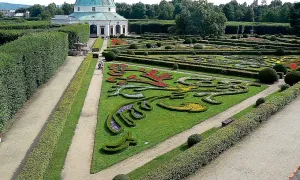
For photography enthusiasts, the best spots to capture Château Choryně are from its eastern wing during sunrise or sunset when the light is soft and warm, highlighting the Gothic architecture against the landscape. The gardens offer a beautiful backdrop for portraits with the château as a scenic background. Early morning visits can provide softer lighting conditions ideal for photography.
Within 30 minutes of Choryně, you can visit Valašské Meziříčí, known for its well-preserved historical center and cultural events. The area is rich in history and offers several other attractions, including the Museum of Folk Architecture and Way of Life. It's an excellent opportunity to explore more about the region’s heritage after visiting Château Choryně.
For families with children, Château Choryně provides a fascinating glimpse into historical architecture that can be both educational and entertaining. The surrounding nature trails offer opportunities for outdoor activities such as hiking or picnicking. Ensure to check if there are any family-friendly events or guided tours available during your visit, which can enhance the experience for younger visitors.
Businesses nearby
Do you run a restaurant, accommodation, shop, museum, rental, wellness or other visitor service near this monument? Show yourself directly to the people heading to it — this is how they will see you in the app and on the web:
Nearby
Château Choryně is located near Valašské Meziříčí, surrounded by the scenic landscapes typical of the Zlín Region. The area features natural beauty and other historical sites within a short distance.
Accommodation nearby
Themed route
Thematic Vltour: Choryně Castle and Surroundings
1. Château Choryně (Castle) - Type: Historical Monument - Why Visit: The Château Choryně is a stunning example of Renaissance architecture, offering visitors a glimpse into the region's rich history. Its beautifully preserved interiors and scenic location make it an ideal starting point for exploring the area.
2. Valašské Meziříčí (Nearby Town) - Type: Cultural and Historical Site - Why Visit: Located just a short distance from Château Choryně, Valašské Meziříčí is renowned for its vibrant cultural heritage. The town features traditional wooden architecture and hosts various cultural events that showcase the unique customs of the region.
3. Local Nature Trails (Nearby) - Type: Natural Scenery - Why Visit: Surrounding Château Choryně are picturesque nature trails perfect for a leisurely walk or hike. These paths offer stunning views of the Zlín Region's landscapes, providing an opportunity to enjoy the tranquility and natural beauty of the area.
This thematic tour provides a balanced experience of history, culture, and nature, all within close proximity to Château Choryně.
Seasonal recommendations
Jaro: Během jara nabízí Zámek Choryně jedinečné zážitky, kdy se rozkvétající keře a stromy vyměňují své bledé listí za živý lesk. To vytváří přitažlivou atmosféru plnou naděje a obnovy, ideální pro návštěvu. Jaro je také známé svým mírným počasím, což znamená krásné slunečné dny, které jsou perfektní pro procházky kolem zahrady a pozorování přírodního obnovování. Navštěvující by měli být oblečeni v mírném oděvu s možností přidat vrstvy, protože teploty se mohou rychle měnit. Kvůli relativnímu nedostatku turistického proudu je jaro ideálním časem pro klidný zážitek.
Léto: Létě nabízí Zámek Choryně návštěvníkům bohatství slunečních dnů a teplých večerů, které jsou ideální pro prozkoumání zahrady a okolní přírody. Atmosféra je plná života s kvetoucími keři a stromy, což vytváří idylický pozadí pro návštěvu. Tento čas ročního období má nejvyšší počet turistů, takže je vhodné navštívit zámek brzy ráno, aby se předešlo davu a užilo se si mírného tepla dne. Návštěvníci by měli být oblečeni v lehkém oděvu, s ochranou proti slunci jako kloboukem nebo parasolem, a neměli by zapomenout na dostatek pitného.
Podzim: Podzim přináší Zámku Choryně nádherné zlaté a rudé listí, které vytvářejí spektakulární pohledy. Tato sezónní změna nabízí jedinečné fotografické příležitosti s dramatickými barevnými kontrasty. Atmosféra je mírně chladná a klidná, což vytváří ideální podmínky pro relaxovanou návštěvu bez nadměrného davu. Návštěvníci by měli být oblečeni v mírném oděvu s možností přidat vrstvy, aby se přizpůsobili chladným ráno a večerem. Tento čas ročního období je také ideální pro návštěvníky hledající klidné zážitky s méně turisty.
Zima: Zimní návštěva Zámku Choryně nabízí úplně jiný typ zážitku, kdy je krajinářský pohled pokryt sněhem a ledem. Tato sezónní změna vytváří dramatickou a tichou atmosféru, která může být velmi oslňující. Nicméně, zimní podmínky často vedou k kratší otevírací době pro návštěvníky, takže je důležité se předem informovat o aktuálním provozu. Návštěvníci by měli být dobře obléčeni, s teplým oděvem a ochranou proti větru a sněhu, jako jsou pekařské boty nebo kvalitní deky. Navzdory chladným podmínkám může být zimní návštěva klidná a intimní.
Visualizations and artistic views

Vizualizace jsou generovány umělou inteligencí a slouží jako inspirace.

Tips from visitors
No tips yet. Be the first!
Log in and add your tip.

Reviews and comments