






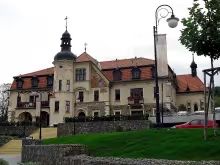
Augustiniánský dům in Luhačovice stands as a testament to the rich architectural heritage of the Czech Republic. Built between 1902 and 1904, this historicist villa was originally constructed for the Augustinian monastery of St. Thomas in Brno. Designed by architect Vladimír Fischer, it served as a recreational facility for Augustinian priests and Catholic families. Its transformation into a luxury hotel after being declared a cultural monument in 2007 highlights its enduring significance.
The villa's construction occurred during a period when the Czech lands were part of the Austro-Hungarian Empire, a time marked by a rise in historicist architecture and cultural awakening movements across Europe. This context underscores the importance of Augustiniánský dům as an architectural embodiment of its era. The building was completed in 1904, reflecting the stylistic preferences and social dynamics of early 20th-century Czech society.
Architecturally, Augustiniánský dům is a blend of neorenaissance and neo-Gothic elements. Vladimír Fischer's design draws inspiration from English country houses, evident in its sgraffito decorations featuring acanthus motifs. The main wing boasts a polygonal tower with a lantern, while the attached chapel showcases neogothic characteristics such as massive supporting pillars and a cross vault. These architectural details not only highlight Fischer's skill but also reflect the stylistic eclecticism of the time.
Ownership and administration of Augustiniánský dům have seen significant changes over the years. Initially owned by the Augustinian monastery, it later became a cultural monument under state protection in 2007. Subsequent renovations culminated in its reopening as a luxury hotel in 2010, marking a new chapter in its history.
The villa has been home to notable figures, most prominently Leoš Janáček, who frequently stayed there between 1912 and 1928. During his visits, Janáček composed works such as the opera "Příhody lišky Bystroušky" and the "Glagolská mše." His presence adds a layer of cultural significance to Augustiniánský dům, linking it to one of Czech music's most celebrated composers.
Today, Augustiniánský dům stands as a luxury hotel in Luhačovice, a spa town known for its natural landscapes. Its status as a cultural monument ensures that visitors can appreciate both its historical and architectural value. The villa is not only a place of relaxation but also a site where history and art converge, offering guests an immersive experience into the past.
Augustiniánský dům's transformation from a monastic retreat to a modern luxury hotel underscores its adaptability and enduring appeal. Its rich history, combined with architectural beauty, makes it a must-visit destination for those interested in exploring the cultural heritage of the Czech Republic. Visitors are invited to step into this historic villa, where they can experience a unique blend of past and present.
Historical milestones
- 1902
- Začátek stavby Augustiniánského domu.
- 1904
- Dokončení Augustiniánského domu.
- 1912
- Leoš Janáček začíná pravidelně navštěvovat Augustiniánský dům.
- 1928
- Poslední návštěva Leoše Janáčka v Augustiniánském domu.
- 2007
- Augustiniánský dům deklarován kulturním památkou.
- 2010
- Otevření Augustiniánského domu jako luxusního hotelu po rekonstrukci.
Architectural development
The villa, designed by Vladimír Fischer, combines neorenaissance and neo-Gothic elements. The main wing is inspired by English country houses, featuring sgraffito decorations and a polygonal tower with a lantern. A significant reconstruction started in 1987 but was not completed until later renovations that transformed it into a hotel.
Historical events
1902-1904: Construction completed for use by the Augustinian order.
1987: First major reconstruction began but was not completed.
2007: Declared a cultural monument of the Czech Republic.
2010: Reopened as a luxury hotel after further renovations.
Owners
Originally owned by the Augustinian monastery of St. Thomas in Brno; later became a cultural monument and is now operated as a luxury hotel.
Points of interest
- Augustiniánský dům was originally built as a recreational facility for the Augustinian monastery of St. Thomas in Brno, highlighting its religious and community-oriented origins before becoming a luxury hotel. - The villa's design by Vladimír Fischer incorporates sgraffito decorations with acanthus motifs, showcasing an artistic technique that involves scratching through a surface layer to reveal a contrasting color underneath, reflecting the influence of English country houses.
Guide
Show guide text
Welcome to the Augustiniánský dům, a remarkable historicist villa nestled in the charming town of Luhačovice. As you stand here today, take a moment to absorb its grandeur and elegance—a testament to architectural beauty and historical significance.
The story of this magnificent building begins at the turn of the 20th century. Between 1902 and 1904, under the skilled hands of architect Vladimír Fischer, the Augustiniánský dům rose from the ground as a recreational haven for Augustinian priests and Catholic families. Its origins are deeply rooted in serving the spiritual and community needs of the Augustinian monastery of St. Thomas in Brno.
As you gaze upon its façade, notice how it seamlessly blends two architectural styles. The main wing exudes neorenaissance elegance, while an attached chapel adds a touch of neo-Gothic charm. These stylistic choices not only reflect Fischer's versatility but also the villa’s dual purpose as both a place of leisure and worship.
The Augustiniánský dům holds a special place in cultural history, particularly for its connection to the renowned composer Leoš Janáček. Beginning in 1912, Janáček made this place his retreat, finding inspiration within these walls until his last visit in 1928. His presence here adds an enchanting layer of musical heritage to your exploration.
One intriguing aspect of the villa is its intricate sgraffito decorations featuring acanthus motifs—a detail that invites closer inspection and admiration for Fischer's artistic vision. These elements not only enhance the aesthetic appeal but also speak volumes about the craftsmanship of the era.
In 2007, recognizing its cultural significance, the Augustiniánský dům was declared a cultural monument. This designation underscores its importance as a historical treasure worthy of preservation and appreciation.
After undergoing a thoughtful restoration, the villa opened its doors in 2010 as a luxury hotel, offering guests the unique opportunity to experience history firsthand while enjoying modern comforts.
As you continue your journey through this remarkable site, I encourage you to explore every corner, imagine the lives that have passed through here, and immerse yourself in the rich tapestry of stories woven into its very fabric. Thank you for joining us today at the Augustiniánský dům. We hope this experience has inspired a deeper appreciation for the artistry and history it embodies. Safe travels on your next adventure!
Tips for visitors
The best time to visit the Augustiniánský dům, or Augustinian Villa, is during late spring through early autumn when the weather is pleasant for exploring both the villa and its natural surroundings. This period offers a vibrant atmosphere in Luhačovice, known for its spa town vibe, making it an ideal time to appreciate the historicist architecture of the villa against the backdrop of blooming landscapes.
Parking and transportation options are available for visitors coming by car or public transport. The area around Luhačovice is accessible by both means, with parking spaces likely available in nearby areas. For those preferring public transport, it's advisable to check current routes and connections online prior to your visit to ensure a smooth journey.
When planning your visit, consider bringing comfortable walking shoes for exploring the villa and its surroundings. Given Luhačovice’s spa town atmosphere, you might also want to bring along a light jacket or sweater as evenings can be cooler, especially outside of summer months. Additionally, carrying water and snacks is recommended if you plan to spend several hours in the area.
For photography enthusiasts, the Augustiniánský dům offers picturesque views best captured during the golden hour—shortly after sunrise or before sunset—when the light accentuates the villa’s historicist features. The natural landscapes within 5 km of Luhačovice also provide stunning backdrops for photographs, making it a rewarding experience for those interested in capturing the beauty of this region.
Families with children will find the area around the Augustiniánský dům welcoming and full of activities. While exploring the villa itself can be educational and interesting for all ages, the natural landscapes within a 30-minute drive offer opportunities for outdoor adventures suitable for families. These include hiking trails and picnic spots where you can enjoy a leisurely day out in nature.
Businesses nearby
Do you run a restaurant, accommodation, shop, museum, rental, wellness or other visitor service near this monument? Show yourself directly to the people heading to it — this is how they will see you in the app and on the web:
Nearby
Located in Luhačovice, known for its spa town atmosphere, surrounded by natural landscapes within 5 km.
Accommodation nearby
Themed route
Thematic Walking Tour: Augustinian House and Luhačovice Spa Town
Welcome to this curated walking tour that highlights the charm of Luhačovice, a renowned spa town known for its therapeutic atmosphere and picturesque natural landscapes. This tour focuses on exploring key attractions within 5 km of the Augustinian House (Villa).
1. Augustinian House (Villa) - *Type*: Historical Building - *Why Visit*: The Augustinian House, a stunning example of Baroque architecture, offers visitors a glimpse into the rich history and cultural heritage of Luhačovice. Its beautifully preserved interiors and historical significance make it an essential stop for anyone interested in architectural beauty and local history.
2. Luhačovice Spa Park - *Type*: Natural Landscape - *Why Visit*: Just a short walk from the Augustinian House, the Luhačovice Spa Park is renowned for its lush greenery and serene atmosphere. This park provides an ideal setting to relax and unwind while enjoying scenic walking paths and beautifully manicured gardens that embody the spa town's tranquil spirit.
3. Luhačovice Mineral Springs - *Type*: Natural Feature - *Why Visit*: The mineral springs are a cornerstone of Luhačovice’s reputation as a health resort. Visitors can explore the various spring areas, each with its unique properties and historical significance, offering insights into why this town has been a destination for wellness seekers for centuries.
This tour encapsulates the essence of Luhačovice's spa culture, inviting you to immerse yourself in its natural beauty and historical charm. Enjoy your journey through this enchanting town!
Seasonal recommendations
Spring: The arrival of spring at the Augustinian House brings a refreshing transformation as nature awakens with vibrant blooms and lush greenery surrounding the historic site. The soft, gentle light of longer days enhances the architectural details of the villa, casting intricate shadows that highlight its historical charm. Visitors can enjoy peaceful strolls through nearby gardens, where the air is filled with the scent of fresh flowers. It's advisable to wear comfortable layers as temperatures can vary, and early mornings or late afternoons are ideal for avoiding larger crowds.
Summer: Summer at the Augustinian House offers a lively atmosphere with extended daylight hours that illuminate the villa in warm hues, making it perfect for exploring its historical architecture. The surrounding area is lush and vibrant, providing an idyllic backdrop for leisurely walks or picnics. This season attracts more visitors due to the pleasant weather, so arriving early can help avoid crowds. Light clothing and sun protection are recommended, along with staying hydrated during your visit.
Autumn: Autumn at the Augustinian House is characterized by a stunning display of fall foliage, transforming the surrounding landscape into a tapestry of reds, oranges, and yellows. The cooler temperatures create a cozy atmosphere ideal for enjoying the villa's historical ambiance in a more tranquil setting. As daylight hours shorten, visitors can appreciate the soft, golden light that enhances the architectural features. Layered clothing is advisable to accommodate fluctuating weather conditions, and visiting during weekdays can help avoid larger groups.
Winter: Winter at the Augustinian House offers a serene and picturesque experience as snow blankets the landscape, adding a magical touch to its historic architecture. The shorter days mean fewer visitors, allowing for a more intimate exploration of the site. While some outdoor areas may be less accessible due to snow, the villa itself provides warmth and shelter with its rich history. Visitors should dress warmly in layers and check opening hours, as they might be reduced during this season. An early visit is recommended to fully enjoy the quiet beauty before closing time.
Visualizations and artistic views


Vizualizace jsou generovány umělou inteligencí a slouží jako inspirace.


Atmosphere of the place
Atmospheric visualization of the setting and era
Tips from visitors
No tips yet. Be the first!
Log in and add your tip.


Reviews and comments