





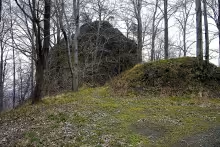
Vraty, also known as Rattenstein or Pustý Zámek, is a fortified site located approximately 2 km southwest of Těchlovice in the Děčín District. Initially thought to be a castle, archaeological surveys have determined it was actually a refuge situated on an outcrop extending from Buková hora at an elevation of 500 meters above sea level. The site's historical significance is tied to its strategic location and the mystery surrounding its origins, as no written records directly link it to known historical figures or events.
The exact origins of Vraty remain shrouded in mystery due to a lack of documented evidence. Historical sources suggest that the site was established in the second half of the 13th century and fell into disuse by the early 14th century. August Sedláček once associated it with an unknown castle mentioned in 1404 as part of Kačna z Rychenburka's heritage, but this connection is contradicted by archaeological findings that date its establishment earlier.
Architecturally, Vraty presents a challenging puzzle due to modern interventions and the passage of time. The southern part has been significantly damaged, making it difficult to reconstruct its original structure. It is assumed that a neck ditch once protected the entrance to the site, but this feature no longer exists due to road construction. In contrast, the northern section features prominent rock formations without evidence of any buildings, suggesting these were not part of the fortified area.
Ownership and administration details are sparse, as there are no known written records directly linking Vraty to specific historical figures or events. The site's role during its period of use remains unclear, reflecting broader patterns of fortification efforts across Europe in the 13th century under the Přemyslid dynasty, when Bohemia experienced significant political and territorial changes.
Despite its name suggesting a castle, Vraty served as a refuge rather than a fortified stronghold. The site's exact historical role remains elusive due to the absence of written records, adding an element of intrigue for historians and visitors alike.
Today, Vraty stands as a testament to medieval fortification efforts in Bohemia. Although modern interventions have altered parts of the site, its strategic location on an outcrop offers panoramic views over the surrounding landscape. The area's natural features provide context for understanding the historical significance of such refuges during times of political and territorial flux.
Visiting Vraty offers a unique opportunity to explore a site steeped in mystery and history. Its enigmatic past and scenic setting make it a worthwhile destination for those interested in medieval fortifications and the broader historical landscape of Bohemia.
Historical milestones
- c. 1250-1300
- Vraty was founded as a refuge.
- Late 13th century
- The founding of Vraty within the framework of European fortifications under the rule of the Přemyslids.
- Early 14th century
- Vraty ceased to be used.
- 1404
- Mentioned as part of the heritage of Kačna z Rychenburka, although the connection is uncertain.
Architectural development
The southern part of Vraty has been damaged by modern interventions, making it difficult to reconstruct its original structure. It is believed that a neck ditch once protected the entrance to the site, which no longer exists due to road construction. The northern section features prominent rock formations without evidence of any buildings.
Historical events
The archaeological findings suggest that the site was established in the second half of the 13th century and fell into disuse by the early 14th century.
Points of interest
- Despite its name suggesting a castle, Vraty was actually a refuge, reflecting the broader trend of constructing fortified refuges rather than full castles in 13th-century Bohemia. - The site's connection to Kačna z Rychenburka is speculative and contradicted by archaeological evidence, highlighting the challenges historians face when piecing together medieval history without written records. - Modern road construction has erased much of Vraty’s original defensive features, such as a neck ditch, complicating efforts to understand its historical layout and purpose fully.
Guide
Show guide text
Welcome to the historic site of Vraty, also known as Rattenstein or Pustý Zámek, nestled in the picturesque landscape southwest of Těchlovice. As you stand here on this elevated outcrop extending from Buková hora at 500 meters above sea level, take a moment to soak in the serene beauty surrounding you. The remnants of history whisper through the air, inviting you into a story woven over centuries.
Vraty's origins trace back to around 1250-1300 when it was established as a refuge. This period marked an era where fortified refuges became more prevalent than full-fledged castles in Bohemia, reflecting strategic defensive considerations of the time. The site emerged under the influence of the Přemyslids, who were instrumental in developing such fortifications across Europe during the late 13th century.
As you explore this enigmatic site, notice how nature has reclaimed much of the area. While specific architectural details are lost to time, the strategic placement on this elevated terrain speaks volumes about its past importance. The refuge was designed for defense, and though no grand structures remain, the very landscape tells a story of vigilance and survival.
Throughout history, Vraty's narrative is intertwined with various figures, one being Kačna z Rychenburka, who is mentioned in historical records from 1404 as part of her inheritance. However, this connection remains speculative, as archaeological evidence does not fully support it, adding an intriguing layer of mystery to the site.
One fascinating aspect of Vraty is its name, which might suggest a castle, yet it was primarily a refuge—a testament to the broader trend in 13th-century Bohemia where such refuges were more common than castles. This distinction highlights how historical narratives can evolve and sometimes mislead us about the true nature of ancient sites.
As you continue your journey through this captivating landscape, let your imagination wander through the epochs that have shaped Vraty. Consider the lives that once moved within these walls, even if only as a sanctuary in times of need.
We invite you to delve deeper into the stories and secrets that Vraty holds, exploring its surroundings with curiosity and wonder. Thank you for joining us on this adventure through time, and may your exploration be filled with discovery and awe.
Businesses nearby
Do you run a restaurant, accommodation, shop, museum, rental, wellness or other visitor service near this monument? Show yourself directly to the people heading to it — this is how they will see you in the app and on the web:
Nearby
Vraty is located on an outcrop from Buková hora and offers views over the surrounding landscape. The area includes natural features typical of the region, though specific nearby monuments are not documented.
Accommodation nearby
Trips and activities nearby
Guided tours, tickets and activities nearby from GetYourGuide
Search tours and activities →Themed route
Thematic Walking Tour: The Ruins of Vraty and Surrounding Natural Beauty
1. Vraty (Ruins) - *Type:* Historical Ruin - *Why Visit:* Begin your journey at the captivating ruins of Vraty, perched on an outcrop from Buková hora. This site offers breathtaking panoramic views over the surrounding landscape and serves as a poignant reminder of the region's rich history. Explore the remnants of what once was and immerse yourself in the stories etched into these ancient stones.
2. Buková Hora Outcrop - *Type:* Natural Landmark - *Why Visit:* Just a short walk from Vraty, the Buková hora outcrop provides an ideal spot for nature enthusiasts to appreciate the unique geological formations of the area. The elevated position offers additional stunning vistas and is perfect for photography or simply enjoying a moment of tranquility amidst nature's splendor.
3. Local Flora and Fauna Observation - *Type:* Natural Exploration - *Why Visit:* As you explore the vicinity around Vraty, take time to observe the local flora and fauna that thrive in this region. The area is rich with biodiversity typical of Ústecký kraj, offering a chance to connect with nature and learn about the ecosystem's delicate balance.
4. Scenic Walk through Surrounding Landscape - *Type:* Scenic Route - *Why Visit:* Conclude your tour with a leisurely walk through the picturesque landscape surrounding Vraty. This path allows you to fully absorb the natural beauty of the area, from rolling hills to lush greenery, making it an ideal way to unwind and reflect on the day's discoveries.
This thematic walking tour offers a harmonious blend of history and nature, providing visitors with a comprehensive experience of the unique charm that Těchlovice has to offer.
Seasonal recommendations
Spring: Visiting the Vraty ruins in Těchlovice during spring offers a unique experience as nature begins to awaken. The landscape is adorned with vibrant wildflowers and fresh greenery, creating a picturesque setting that enhances the historical ambiance of the site. The gentle warmth of the season makes it an ideal time for exploration without the intense heat of summer. However, be prepared for occasional rain showers, which can add a mystical quality to your visit but also make paths slippery. Early morning or late afternoon visits are recommended when the light is soft and the crowds are fewer, allowing you to fully appreciate the serene beauty of the ruins.
Summer: Summer at the Vraty ruins is characterized by long daylight hours and warm temperatures, perfect for leisurely exploration. The lush greenery surrounding the site provides a refreshing backdrop, while the sun casts dramatic shadows over the ancient stones, highlighting their intricate details. This is a popular time to visit, so expect larger crowds, especially on weekends and holidays. To avoid the midday heat and throngs of visitors, plan your visit for early morning or late afternoon. Comfortable walking shoes and light clothing are advisable, along with sun protection such as hats and sunscreen.
Autumn: Autumn brings a stunning transformation to the Vraty ruins, with the surrounding landscape painted in warm hues of orange, red, and gold. The crisp air and cooler temperatures make it an ideal time for photography enthusiasts eager to capture the ruins against the backdrop of fall foliage. As the days grow shorter, visiting earlier in the day is recommended to take advantage of the soft, golden light. Be mindful that weather can be unpredictable during this season, so layered clothing and a waterproof jacket are practical additions to your attire.
Winter: Winter at the Vraty ruins offers a starkly beautiful experience as snow blankets the site, creating a serene and almost ethereal atmosphere. The contrast between the white landscape and the ancient stones is striking, providing a unique perspective on this historical landmark. However, the colder temperatures mean that visits are best suited for those prepared with warm clothing, including thermal layers, gloves, and hats. Trails may be icy or covered in snow, so sturdy boots with good traction are essential. The ruins can feel quite isolated during this time, offering a peaceful retreat away from the bustle of more frequented sites.
Visualizations and artistic views

Vizualizace jsou generovány umělou inteligencí a slouží jako inspirace.

Tips from visitors
No tips yet. Be the first!
Log in and add your tip.


Reviews and comments