





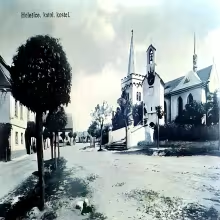
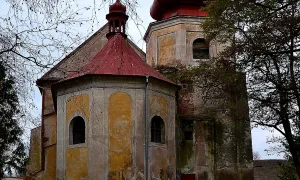
The Church of Saint Nicholas in Malé Březno stands as a testament to the historical and architectural evolution that characterized what is now Ústecký kraj. Originally located in the vanished village of Holešice, this Roman Catholic church served its community until it was demolished in 1981 due to coal mining activities at Lom Vršany. Its significance lies not only in its religious function but also in its architectural transformations over centuries, reflecting broader historical and cultural shifts.
Constructed during the Gothic period when Bohemia was part of the Holy Roman Empire, the Church of Saint Nicholas underwent several significant changes throughout its history. Initially built as an early Gothic structure, it expanded and fortified in the 15th century to meet parishioner needs. A devastating fire in 1616 led to a restoration completed by 1678, marking the start of modifications that continued into the modern era.
Architecturally, the church featured distinctive elements typical of its time and subsequent periods. Situated on an island surrounded by a water moat and originally fortified with walls, it was accessible via two-arched bridges. The main structure included a single-nave design ending in a narrower rectangular presbytery. A notable feature was the polygonal tower with a battlemented parapet supported on corbels, housing a bell and later clock mechanisms. This tower also contained the original sacristy, characterized by ribbed vaulting with a circular keystone adorned with vegetal motifs from the 14th century.
Over time, the church's interior saw significant changes as well. In 1847, a chapel dedicated to Our Lady of Sorrows was added to its northern side. By 1894, renovations replaced weathered stone ribs in the presbytery with stucco ones and updated other aspects of the interior. The nave extended by 1908, accompanied by a new sacristy, reflecting ongoing adaptations for liturgical needs.
The church's furnishings also evolved, incorporating elements from various periods. Notably, it housed a 16th-century stone baptismal font and an organ crafted in 1890 by local maker Langenauer. These additions underscored the blend of historical styles that characterized the building over time.
Despite its rich history, the Church of Saint Nicholas no longer stands today. Its demolition in 1981 was due to industrial expansion, specifically coal mining operations at Lom Vršany, necessitating the removal of the village and its structures. This loss marks not only an end to a physical monument but also a chapter in the region's cultural heritage.
Today, while the church itself is no longer accessible for visits, its historical significance remains a point of interest for those exploring the area's past. The story of the Church of Saint Nicholas serves as a reminder of the dynamic interplay between history, architecture, and industry that has shaped Malé Březno and its surroundings. Visitors to the region are encouraged to reflect on this legacy, appreciating how such sites contribute to our understanding of cultural evolution and resilience in the face of change.
Historical milestones
- 1616
- The church suffered a fire.
- 1678
- Restoration of the church after the fire.
Architectural development
Originally built as an early Gothic structure, the Church of Saint Nicholas underwent significant changes over time. In the 15th century, it was expanded and fortified. After a fire in 1616, restoration took place by 1678. The church saw further modifications with the addition of a chapel in 1847 and interior renovations in 1894 that replaced weathered stone ribs with stucco ones. By 1908, its nave was extended, and a sacristy was added.
Historical events
In the 15th century, the early Gothic church was expanded and fortified. In 1616, it suffered a fire but was restored by 1678.
The church was demolished in 1981 to make way for coal mining operations.
Points of interest
- The Church of Saint Nicholas was originally situated on an island surrounded by a water moat and accessed via two-arched bridges, highlighting its strategic and defensive design typical of medieval architecture.
- After a devastating fire in 1616, the church underwent restoration that included modifications to its polygonal tower. This tower featured a battlemented parapet supported on corbels, housing both a bell and later clock mechanisms, reflecting evolving architectural needs over time.
Guide
Show guide text
Welcome to the site of the Church of Saint Nicholas in Malé Březno, a place where history whispers from its silent grounds. As you stand here, imagine the serene yet strategic setting that once surrounded this now-vanished church. Originally nestled on an island, it was encircled by a water moat and connected to the mainland through two-arched bridges—a testament to medieval architectural ingenuity designed for both beauty and defense.
The Church of Saint Nicholas has its roots deeply embedded in history, dating back several centuries as a significant Roman Catholic church. Its original location in the now-vanished village of Holešice marked it as an important spiritual center for the local community until its demolition in 1981 due to coal mining activities at Lom Vršany.
As you look around this historic site, envision the architectural evolution that took place over the centuries. The church underwent several expansions and renovations, adapting to the needs of its time while maintaining its sacred purpose. Although specific architectural details are lost to history, the remnants and stories suggest a structure that was both resilient and revered.
In 1616, the church faced a devastating fire, an event that marked a significant chapter in its history. The subsequent restoration in 1678 not only repaired the damage but also reinforced the community's dedication to preserving this sacred space. Although the architects remain unknown, their work ensured the church's continued presence as a beacon of faith and resilience.
While specific historical figures associated with the church are not documented, it is clear that countless individuals found solace and community within its walls over the years. The church's story is one of collective memory, shared by those who gathered here for worship, celebration, and reflection.
One intriguing aspect of this site is its original strategic design—situated on an island with protective moats and bridges. This layout highlights a fascinating blend of functionality and aesthetics typical of medieval architecture, inviting you to ponder the lives that once moved through these spaces.
As we conclude our exploration, let your imagination wander over what remains of this historic church. The spirit of Saint Nicholas's Church continues to resonate here in Malé Březno, offering a unique glimpse into the past. We invite you to continue exploring and discovering more about this remarkable site and its enduring legacy. Thank you for joining us on this journey through history.
Tips for visitors
The best time to visit the site of the Church of Saint Nicholas is during late spring or early autumn. These seasons offer pleasant weather, which enhances your experience exploring the historical surroundings without the discomfort of extreme temperatures. Additionally, these periods often coincide with local festivals and events that celebrate regional history and culture, providing a richer context for your visit.
Parking and transportation to the site are convenient. While there is no dedicated parking at the exact location due to its nature as a former village, nearby towns such as Ústí nad Labem offer ample parking facilities. Public transport options are also available; you can use regional buses or trains to reach Malé Březno. For the most current transportation schedules and routes, it's advisable to check online travel resources.
When visiting this historical site, consider bringing comfortable walking shoes as there may be uneven terrain around the area where the church once stood. A camera is recommended for capturing the scenic views of the surrounding landscape and any remaining architectural elements. Additionally, carrying a light jacket or umbrella can be useful due to unpredictable weather changes.
Photography enthusiasts will find several spots around the former island location ideal for capturing the essence of the site's history. The best lighting conditions are typically during early morning or late afternoon when the sunlight is softer and more flattering. Try to capture the area where the two-arched bridges once stood, as they add a dramatic element to your photos.
For those interested in exploring nearby attractions within 30 minutes of Malé Březno, consider visiting the historic town of Ústí nad Labem. This city offers several cultural sites and museums that provide insights into the region's rich history. Additionally, the scenic landscapes along the Elbe River are perfect for a leisurely walk or bike ride, offering beautiful views and a peaceful escape from urban life.
Families with children will find this site an educational outing. The historical context of the Church of Saint Nicholas can be an engaging topic to discuss while exploring the area. For younger visitors, consider bringing along a small picnic for a relaxing break amidst nature. Additionally, local parks or playgrounds in nearby towns could provide entertainment and rest after your visit.
Businesses nearby
Do you run a restaurant, accommodation, shop, museum, rental, wellness or other visitor service near this monument? Show yourself directly to the people heading to it — this is how they will see you in the app and on the web:
Nearby
The church was situated on an island surrounded by a water moat and originally fortified with walls. It featured two-arched bridges leading to it, along with sculptures from the early 18th century.
Accommodation nearby
Themed route
Thematic Walking Tour: Malé Březno and the Church of Saint Nicholas
1. Church of Saint Nicholas (Malé Březno) - Historical Landmark Begin your journey at the iconic Church of Saint Nicholas, a remarkable historical landmark situated on an island surrounded by a water moat. Originally fortified with walls, this church offers visitors a glimpse into early 18th-century architecture and artistry, highlighted by its two-arched bridges and exquisite sculptures from that era. The unique location and defensive features make it a must-visit for history enthusiasts.
2. Two-Arched Bridges - Architectural Marvels After exploring the church, take a leisurely stroll across the two-arched bridges leading to the island. These architectural marvels not only served as access points but also exemplify the strategic design of the period. The bridges provide an excellent opportunity for photography and reflection on their historical significance in connecting the island to the mainland.
3. Water Moat - Defensive Feature Walk along the water moat that encircles the church, appreciating its role as a defensive feature designed to protect this sacred site. This tranquil area offers a serene environment where visitors can enjoy the natural beauty and contemplate the historical context of the church's fortifications. The moat is an integral part of understanding how the church was protected throughout history.
4. Sculptures from the Early 18th Century - Artistic Treasures Conclude your tour by focusing on the sculptures from the early 18th century that adorn the church and its surroundings. These artistic treasures provide insight into the cultural and religious influences of the time, showcasing intricate craftsmanship and historical narratives. The sculptures are a testament to the artistic heritage preserved in Malé Březno.
This thematic walking tour offers an immersive experience centered around the Church of Saint Nicholas and its unique features, providing a deep dive into the history and artistry of this remarkable site.
Seasonal recommendations
Spring: Visiting the site of St. Nicholas Church during spring offers a unique experience as nature awakens around the ruins. The surrounding landscape is vibrant with blooming wildflowers and budding trees, creating a picturesque setting that enhances the historical ambiance. While exploring, visitors can enjoy the gentle warmth of longer daylight hours, making it an ideal time for leisurely walks through the area. To fully appreciate this season's beauty, consider wearing comfortable walking shoes and layers to accommodate fluctuating temperatures. Although crowds are generally manageable, arriving early in the morning can provide a more serene experience.
Summer: Summer is characterized by lush greenery and vibrant colors surrounding the former site of St. Nicholas Church. The warm weather invites visitors to spend extended periods outdoors, exploring the area's natural beauty under clear blue skies. This season often sees an influx of tourists, so planning your visit early in the day can help avoid larger crowds. Light clothing is advisable due to the heat, and carrying water is essential for staying hydrated during your exploration. The longer daylight hours also allow for more time to appreciate both the historical significance and natural surroundings.
Autumn: Autumn brings a stunning transformation to the area around St. Nicholas Church with its rich palette of reds, oranges, and yellows as leaves change color. This season offers a particularly atmospheric experience, with cooler temperatures and crisp air enhancing the sense of history at the site. The natural beauty during this time is ideal for photography enthusiasts looking to capture the serene landscape. Since visitor numbers tend to decrease compared to summer, it's a great opportunity for a quieter exploration. Dressing in layers will ensure comfort as temperatures can vary throughout the day.
Winter: Winter envelops the ruins of St. Nicholas Church in a quiet, snow-covered blanket that adds an ethereal quality to the site. The stark beauty of the landscape under winter skies creates a contemplative atmosphere, perfect for those seeking solitude and reflection. However, visitors should be prepared for shorter opening hours due to weather conditions, so checking ahead is recommended. Warm clothing, including hats and gloves, is essential to stay comfortable during your visit. While fewer people venture out in the cold, arriving early can help maximize daylight and enhance the experience of this serene winter setting.
Visualizations and artistic views

Vizualizace jsou generovány umělou inteligencí a slouží jako inspirace.

Atmosphere of the place
Atmospheric visualization of the setting and era
Tips from visitors
No tips yet. Be the first!
Log in and add your tip.




Reviews and comments