






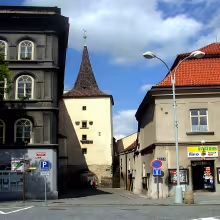
Velvarská brána is a remarkable medieval gate within Slaný's former fortifications, notable for being the city's only surviving gate. Situated several dozen meters north of Masaryk Square, this historical monument features relief inscriptions and coats of arms from six guilds, highlighting its significance through history. Today, it houses a museum dedicated to the town's history and fortifications, making it essential for understanding Slaný's past.
The origins of Velvarská brána are somewhat mysterious, as there is no precise record of when it was constructed. The first documented mention dates back to 1443, with an inscription crediting Aleš Krejčí and Václav Novinka, long-serving Slaný councilors, for its early construction efforts. During Jiří z Poděbrad's reign in the mid-15th century, the gate underwent repairs and was renamed Nová brána, reflecting its evolving role within the town's defenses.
Architecturally, Velvarská brána originally included additional fortifications such as bastions and a bridge over a moat, indicating its strategic importance. Throughout history, it faced challenges like significant damage from 16th-century fires. Despite these adversities, the gate was preserved during early 19th-century road construction. In 1868, it underwent restoration, which included adding a copper rooster atop its roof—a feature still visible today.
Ownership and administration of Velvarská brána have shifted dramatically over time. Initially crucial for defense, its importance waned with changes in military technology and urban development. After a fire destroyed a nearby town hall in 1795, a bell from 1514 was relocated to the gate, serving both practical and symbolic purposes.
Key events include its repair and renaming during Jiří z Poděbrad's reign in 1461. The gate has also witnessed Bohemia's broader historical context as part of the Holy Roman Empire, experiencing significant political and social changes, including the Hussite Wars.
Today, Velvarská brána is an accessible monument offering visitors a glimpse into Slaný's medieval past. Its current state includes a museum within its walls, providing insights into the town's history and fortifications. The gate remains a testament to architectural ingenuity of its time and continues to be a focal point for those exploring Czech history.
Visiting Velvarská brána offers an opportunity to connect with Slaný's historical narrative, appreciating both its architectural beauty and cultural significance. It stands as a symbol of resilience and continuity, inviting visitors to explore its storied past and reflect on the enduring legacy of medieval fortifications in modern times.
Historical milestones
- 1443
- First written records of Velvarská brána.
- 1461
- Gate repaired and renamed Nová brána during Jiří z Poděbrad's reign.
Architectural development
Velvarská brána originally included additional fortifications such as bastions and a bridge over a moat. It underwent several repairs and modifications throughout its history, including significant damage from fires in the 16th century. In 1868, it was restored rather than demolished during road construction.
Historical events
- 1443
- First written records mentioning Velvarská brána.
- 1461
- The gate was repaired during the reign of Jiří z Poděbrad and received a new name, Nová brána.
Points of interest
- Despite its significance, the exact date of construction for Velvarská brána remains unknown, with only a first documented mention in 1443, highlighting the enigmatic nature of medieval record-keeping.
- The gate was renamed Nová brána during Jiří z Poděbrad's reign in the mid-15th century after repairs, reflecting its evolving role and importance within Slaný’s defenses throughout history.
Guide
Show guide text
Welcome to the historic Velvarská brána, a remarkable medieval gateway that stands as a testament to Slaný's storied past. As you stand here, just north of Masaryk Square, imagine yourself stepping back in time to when this gate was an integral part of the town’s fortifications. The sight before you is both imposing and inviting—a structure with layers of history etched into its very stones.
The Velvarská brána first appeared in written records in 1443, marking it as a significant feature of Slaný's medieval landscape. While the exact date of its construction remains shrouded in mystery, this enigmatic absence only adds to its allure. It was during the reign of Jiří z Poděbrad that the gate underwent repairs and was renamed Nová brána, reflecting the dynamic history and changing political landscapes of the 15th century.
As you take a closer look at Velvarská brána, notice the intricate relief inscription and the coats of arms representing six guilds. These details not only highlight the craftsmanship of an era long past but also tell us about the vibrant community life that once thrived here. The gate's architecture is a silent witness to centuries of history, inviting you to ponder the countless stories it holds.
This site has been touched by notable historical figures such as Aleš Krejčí and Václav Novinka, whose contributions have helped preserve its legacy. Their efforts ensure that we can still appreciate this remarkable piece of heritage today.
One intriguing aspect of Velvarská brána is the mystery surrounding its construction date. Despite being documented in 1443, no records specify when it was originally built. This gap in history invites us to imagine the hands and minds that brought it into existence, adding a layer of intrigue to your visit.
As you continue exploring, I encourage you to delve deeper into the museum housed within the gate. It offers rich insights into Slaný’s past, allowing you to connect more fully with this historic site. Thank you for joining me on this journey through time at Velvarská brána. May your curiosity lead you to discover even more about the fascinating history of Slaný. Safe travels as you continue exploring!
Tips for visitors
The best time to visit Velvarská brána is during late spring or early autumn when the weather is mild, making it ideal for exploring the historical site comfortably. During these months, you can enjoy pleasant temperatures and clear skies, which enhance your experience of the medieval gate and its surroundings. Additionally, visiting outside peak tourist seasons often means fewer crowds, allowing for a more relaxed exploration.
Parking near Velvarská brána is relatively convenient, with several parking areas available in Slaný. If you prefer public transportation, there are bus services that connect to the town center where the gate is located. For those using personal vehicles, it's advisable to check for any local regulations or restrictions related to parking when planning your visit.
When visiting Velvarská brána, consider bringing comfortable walking shoes as you'll likely explore both the gate and nearby historical sites on foot. A camera or smartphone is recommended to capture the architectural beauty of the medieval structure. Additionally, carrying a water bottle and some snacks can enhance your visit, especially if you plan to spend several hours exploring the area.
For photography enthusiasts, the best spots around Velvarská brána are those that offer clear views of the gate against the backdrop of Slaný's historic architecture. Early morning or late afternoon light provides a soft glow that accentuates the textures and details of the medieval stone work. Capturing images from Masaryk Square can also provide interesting perspectives, showcasing the gate in relation to other historical elements.
Nearby attractions within 30 minutes include remnants of Slaný's medieval fortifications, which offer fascinating insights into its past as a fortified town. These sites are perfect for history buffs and those interested in architectural heritage. For families with children, these areas can be both educational and entertaining, providing a glimpse into life during the Middle Ages.
Businesses nearby
Do you run a restaurant, accommodation, shop, museum, rental, wellness or other visitor service near this monument? Show yourself directly to the people heading to it — this is how they will see you in the app and on the web:
Nearby
Velvarská brána is situated near Masaryk Square and close to other historical sites within Slaný. The surrounding area includes remnants of medieval fortifications, offering insights into the town's past.
Accommodation nearby
Trips and activities nearby
Guided tours, tickets and activities nearby from GetYourGuide
Search tours and activities →Themed route
Velvarská Trasa v Slaném
1. Velvarská brána (Historická památka) - Začni svou cestu u Velvarské brány, klíčového prvků zastavění dřívějších obranných hradb Slaného. Tato brána vás přivítá na Masarykově náměstí a nabídne pohled do minulosti města, kdy byla klíčovou součástí jeho obrany.
2. Relikty středověkých hradb (Historické zbytky) - Krátce po procházení Velvarskou branou se pohybujte směrem k zbytkům starých městských hradb. Tyto historické struktury vám umožní představit si, jak bylo Slané chráněno a organizováno v dobách středověku. Vzdálenost je krátká, což zajišťuje pohodlný průchod.
3. Masarykovo náměstí (Historické a kulturní centrum) - Následujícím krokem bude prozkoumání Masarykova náměstí, které leží v bezprostřední blízkosti Velvarské brány. Toto místo je nejen historickým centrem města, ale také hostí různé kulturní akce a události, což činí náměstí živou součástí dnešního Slaného.
4. Staroměstský park (Kulturní a rekreační prostor) - Zavádějící koncepce historických míst do moderních časů, Staroměstský park vám nabídne místo na oddech po prozkoumání starších struktur. Park je ideálním místem pro relaxaci a posledního pohledu na architektonické prvky okolí.
Tato trasa vás provede krátkým, ale bohatým cestováním skrze historii Slaného, zaměřeným na jeho důležité památky a kulturní centra.
Seasonal recommendations
Spring: The arrival of spring at Velvarská brána is marked by a rejuvenating atmosphere as nature begins to awaken. The dappled sunlight filtering through budding trees creates a picturesque setting, ideal for photography enthusiasts and those seeking tranquility. Visitors can enjoy the gentle warmth of the season without the crowds typical of summer months. It's advisable to wear layers, as temperatures can vary throughout the day. Early mornings or late afternoons are perfect times to visit when the light is soft and the site is less crowded.
Summer: During the summer, Velvarská brána basks in long daylight hours, offering an extended opportunity for exploration. The lush greenery surrounding the historical gate enhances its architectural beauty, making it a popular spot for both locals and tourists. To avoid large crowds, consider visiting early in the morning or later in the evening. Light, breathable clothing is recommended to stay comfortable under the summer sun. Don't forget to bring water and wear sunscreen to protect against UV rays.
Autumn: Autumn at Velvarská brána presents a stunning display of colors as leaves turn vibrant shades of red, orange, and yellow. The cooler temperatures make for a pleasant visit without the summer heat. The natural beauty of this season provides a serene backdrop that complements the historical site's charm. Wearing layers is advisable to adjust to fluctuating temperatures throughout the day. Visiting in late morning or early afternoon can offer the best light for capturing the autumnal scenery.
Winter: In winter, Velvarská brána takes on a magical quality with snow-covered surroundings and crisp, clear air. The shorter days mean visiting hours are limited, so planning ahead is essential. The site's architecture stands out against the snowy landscape, offering unique photo opportunities. Visitors should dress warmly in layers to stay comfortable during their visit. Early morning visits can provide a peaceful experience before any potential winter crowds arrive.
Visualizations and artistic views

Vizualizace jsou generovány umělou inteligencí a slouží jako inspirace.


Tips from visitors
No tips yet. Be the first!
Log in and add your tip.
Location on the map


Příběhy a pověsti
Legendy, pověsti a příběhy spjaté s touto památkou
Reviews and comments