





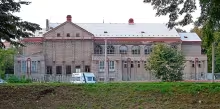
The Sokolovna in Rakovník is an important example of geometric modern architecture designed by Otakar Novotný between 1913 and 1914. Situated on Tyršova Street near the city center, it has been used for sports and physical education since its inauguration. In 2017, it was designated a national cultural monument due to its architectural significance and well-preserved interiors.
The origins of the Sokolovna date back to 1886 when the Rakovnická městská rada (Rakovník City Council) allocated land for construction. The project began under stavitel Donda but started on March 30, 1913, according to Otakar Novotný's design. By June 20, 1914, the building was completed and inaugurated during a significant Sokol assembly event.
Architecturally, the Sokolovna features prominently segmented facades made of light grey terracotta bricks, earning it the nickname "Bílý dům" (White House). Novotný's design reflects insights from his 1908 study trip to the Netherlands and Belgium. The entrance is adorned with a roof gable featuring a mosaic of an emblematic soaring falcon, showcasing its artistic value.
Ownership and administration have changed over time. Initially intended for local Sokol units, it was used by various entities due to political shifts starting in 1941. In 2005, ownership rights were returned to the Sokol organization, reaffirming its original purpose.
Throughout its history, the Sokolovna has hosted notable events. In 1926, President T. G. Masaryk was ceremonially welcomed here during his visit to Rakovník, highlighting its role in local cultural and political life. Despite various political changes over the decades, it has consistently served as a venue for sports and physical education.
Today, the Sokolovna remains active, accessible to those interested in exploring its historical and architectural significance. Its interiors are nearly intact, maintaining their artistic value. Situated near city parks close to Rakovník's center, the building offers visitors a glimpse into early 20th-century modernist architecture within a blend of urban and natural landscapes.
The Sokolovna is not just an architectural landmark but also a testament to cultural and historical developments in Czechoslovakia during its formative years. Its designation as a national cultural monument underscores its importance, inviting visitors to appreciate its enduring legacy and unique design.
Historical milestones
- 1914
- The Sokolovna was officially opened during a Sokol assembly.
- 1926
- President T. G. Masaryk was ceremonially welcomed at the Sokolovna.
Architectural development
The Sokolovna's design features prominently segmented facades made of light grey terracotta bricks, earning it the nickname 'Bílý dům' (White House). The architect, Otakar Novotný, incorporated his insights from a study trip to the Netherlands and Belgium in 1908. The building's roof gable above the entrance is adorned with a mosaic of an emblematic soaring falcon.
Historical events
The construction of the Sokolovna began on March 30, 1913, and was completed by June 20, 1914, coinciding with a significant event when it hosted a gathering during a Sokol assembly.
In 1926, President T. G. Masaryk was ceremonially welcomed at the Sokolovna during his visit to Rakovník.
Owners
The Rakovnická městská rada (Rakovník City Council) initially allocated the land for the Sokolovna in 1886. The building has been used by local Sokol units since its completion, with ownership rights returned to them in 2005.
Points of interest
- The Sokolovna's nickname "Bílý dům" or "White House" is derived from its striking light grey terracotta brick facades, which contrast vividly with the surrounding architecture and give it a distinctive appearance.
- During his 1908 study trip to the Netherlands and Belgium, Otakar Novotný was inspired by modernist architectural styles that influenced the design of the Sokolovna, integrating geometric elements uncommon in Czech architecture at the time.
Guide
Show guide text
Welcome to the Sokolovna in Rakovník, a remarkable piece of geometric modern architecture designed by Otakar Novotný between 1913 and 1914. As you stand here on Tyršova Street near the city center, take a moment to absorb its striking presence. The building's nickname "Bílý dům" or "White House" comes from its light grey terracotta brick facades, which create a vivid contrast against the surrounding architecture, giving it an unmistakable identity.
Let’s delve into its origins and historical context. This iconic structure was officially opened in 1914 during a Sokol assembly, marking its importance as a center for physical education and sports—a role it has maintained ever since. The Sokol movement, which emphasized physical fitness and national pride, played a crucial part in the building's inception. In 1926, this significance was further underscored when President T. G. Masaryk was ceremonially welcomed here.
As you gaze at the facade, notice how the light grey terracotta bricks form clean geometric lines that define the Sokolovna’s modernist style. Otakar Novotný's design reflects a period of architectural innovation, and it's these very details that have helped preserve its status as a national cultural monument since 2017.
The building holds many stories within its walls. While specific historical figures connected to its daily life remain largely unknown, the Sokolovna has been a silent witness to numerous events that shaped local history. Its role in hosting significant gatherings and fostering community spirit is an integral part of Rakovník’s cultural tapestry.
Now, let's explore a fascinating tidbit: Otakar Novotný was inspired during his 1908 study trip to the Netherlands and Belgium, which influenced his architectural vision. This international exposure helped shape the Sokolovna into what it is today—a testament to cross-cultural influences in architecture.
As you continue your exploration of this historic site, take a moment to appreciate its enduring legacy as a hub for sports and community activities. The Sokolovna's well-preserved interiors are just as captivating as its exterior, inviting visitors to step back in time and experience the spirit that has animated it for over a century.
Thank you for joining us on this journey through history. We hope your visit inspires you to delve deeper into Rakovník’s rich cultural heritage. Feel free to explore further and discover more hidden gems around this historic city. Safe travels!
Tips for visitors
The best time to visit the Sokolovna in Rakovník is during late spring or early autumn when the weather is mild, and the city parks nearby are lush and vibrant. This period offers a pleasant climate for exploring both the architectural beauty of the building and the surrounding green spaces. Additionally, visiting outside peak tourist seasons can provide a more serene experience.
Parking near Sokolovna is limited due to its proximity to the city center. Visitors are encouraged to use public transportation or park in designated areas further from the site and walk the remaining distance. The area around Rakovník is well-connected by bus, making it convenient for those traveling without a car. Always check the latest public transport options online prior to your visit.
When visiting Sokolovna, consider bringing comfortable walking shoes as you may wish to explore the nearby city parks and walk through the urban landscape surrounding the building. A camera or smartphone is recommended for capturing the unique geometric architecture of the Sokolovna, especially during the golden hours of early morning or late afternoon when the light accentuates its modernist features.
For photography enthusiasts, the best spots to capture the essence of Sokolovna are from the city parks nearby. The natural lighting in these areas can highlight the building's architectural lines and geometric forms beautifully. Early mornings or late afternoons provide soft, diffused light that enhances photographs. Always be mindful of other visitors when setting up your shots.
Families with children will find the area around Sokolovna enjoyable due to its proximity to city parks where kids can play and explore nature. While there are no specific attractions for families within a 30-minute radius, the blend of urban and natural landscapes offers opportunities for leisurely walks and picnics. The nearby parks provide an ideal setting for children to run around and enjoy outdoor activities.
Businesses nearby
Do you run a restaurant, accommodation, shop, museum, rental, wellness or other visitor service near this monument? Show yourself directly to the people heading to it — this is how they will see you in the app and on the web:
Nearby
The Sokolovna is situated near city parks close to Rakovník's center. The area features a blend of urban and natural landscapes, with no other major monuments within immediate proximity.
Accommodation nearby
Themed route
Thematic Vlog Tour: Rakovník's Sokolovna and Surroundings
1. Sokolovna in Rakovník - *Type:* Architectural Landmark - *Why Visit:* The Sokolovna is a historic building with significant architectural value, representing the cultural heritage of physical education movements in Czech history. Its unique design offers an intriguing glimpse into early 20th-century architecture and its role in promoting health and fitness.
2. Rakovník City Parks - *Type:* Urban Green Space - *Why Visit:* Located near the Sokolovna, these city parks provide a serene escape from urban life with lush greenery and walking paths. They offer an ideal setting for relaxation and reflection, allowing visitors to appreciate the harmonious blend of nature within the cityscape.
3. Rakovník's Town Center - *Type:* Urban Area - *Why Visit:* A short walk from the Sokolovna, Rakovník’s town center is a charming area with quaint streets and local shops. Exploring this part of the city offers insights into its vibrant community life and provides opportunities to experience local culture through cafes and small businesses.
This tour combines architectural exploration with urban nature, providing a comprehensive view of what makes Rakovník unique without straying far from the Sokolovna's immediate surroundings.
Seasonal recommendations
Spring: As the snow melts and greenery begins to flourish, visiting Rakovník's falconry offers a unique experience with the renewal of nature surrounding you. The soft morning light illuminates the historic architecture beautifully, casting long shadows that enhance the intricate details of the structure. This time of year is ideal for photography enthusiasts who appreciate the play of natural lighting. With fewer visitors than in peak summer months, it’s an excellent opportunity to explore at a leisurely pace. Dressing in layers is advisable as temperatures can vary throughout the day. Early mornings are particularly serene and offer a quieter visit.
Summer: During the summer, Rakovník's falconry is bathed in warm sunlight that accentuates its historic charm. The lush greenery surrounding the site creates a vibrant backdrop for visitors, making it a perfect time to enjoy outdoor activities or simply relax in the open air. This season often attracts more tourists, so arriving early can help avoid larger crowds and ensure a more intimate experience with the site's rich history. Comfortable walking shoes and light clothing are recommended due to the warmer temperatures. Don't forget sunscreen for protection during your visit.
Autumn: Autumn brings a stunning palette of colors as the leaves change, providing a picturesque setting for Rakovník’s falconry. The cooler air makes it an ideal time for longer walks around the site and its surroundings without the discomfort of summer heat. This season is also quieter than summer, offering a more tranquil atmosphere to appreciate the historical details. As temperatures drop in late autumn, dressing warmly becomes essential. Visiting during weekdays can further enhance your experience by minimizing encounters with other visitors.
Winter: The falconry takes on an enchanting character under winter’s cloak of snow and ice, creating a magical and atmospheric setting that is particularly appealing for those who enjoy the serene beauty of historic sites in colder months. While some areas might be less accessible due to weather conditions, the site still offers a unique experience with fewer visitors around, allowing for a peaceful exploration. It's crucial to dress warmly and wear appropriate footwear for icy paths. The shorter days mean planning your visit during daylight hours is wise, as opening times may be reduced in winter.
Visualizations and artistic views

Vizualizace jsou generovány umělou inteligencí a slouží jako inspirace.

Tips from visitors
No tips yet. Be the first!
Log in and add your tip.
Location on the map


Příběhy a pověsti
Legendy, pověsti a příběhy spjaté s touto památkou
Reviews and comments