





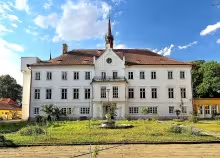
Řepín Castle stands as a remarkable historical monument in Řepín village within the Mělník District of the Central Bohemian Region, Czech Republic. Notable for its rich history dating back to the 13th century, it was originally built by the Teutonic Knights and later transformed into a baroque-style castle around 1670 by Jan Valderode von Eckhausen. The site's significance lies in both its architectural evolution and storied past involving various influential owners and pivotal historical events.
The origins of Řepín Castle trace back to the 13th century when it was constructed as a fortress during significant political changes under the Přemyslid dynasty. Its early history is linked with regional turmoil, including the Hussite Wars and the Thirty Years' War, which influenced ownership transitions and architectural transformations. The castle's first documented mention dates to 1328.
Architecturally, Řepín Castle has undergone significant changes since its inception as a fortress. The most notable transformation occurred around 1670 when Jan Valderode von Eckhausen converted it into a baroque-style castle. This period marked the beginning of several architectural modifications reflecting various styles over the centuries, including enhancements under the Rohan family and later adaptations during its tenure with the Theresian Academy.
Ownership of Řepín Castle has seen dramatic shifts throughout history. Initially held by the Teutonic Knights until 1411, it was confiscated by King Wenceslaus IV that year. Following the Thirty Years' War, Philip Fabricius Platter von Rosenfeld acquired the estate in 1650. The castle later came under Jan Valderode von Eckhausen's stewardship, who played a pivotal role in its architectural transformation. Subsequent owners included the House of Rohan and the Theresian Academy, Vienna, before serving various roles during and after World War II.
Key events at Řepín Castle include its confiscation by King Wenceslaus IV in 1411 and its acquisition by Philip Fabricius Platter von Rosenfeld post-1650. During World War II, it served as a headquarters for a partisan brigade led by Soviet Major P. A. Kanišev, adding to its historical significance. The castle's park, designed in the English style, enhances its scenic beauty and adds another layer of interest for visitors.
Today, Řepín Castle is protected as a cultural monument since 1958, reflecting its enduring value and appeal. It remains an accessible site that attracts those interested in exploring its rich history and architectural splendor. The castle's picturesque surroundings typical of the Central Bohemian Region further enhance its allure as a cultural destination.
Řepín Castle offers a unique glimpse into the historical tapestry of the Czech Republic, making it a worthwhile visit for anyone intrigued by its storied past and architectural evolution. Its blend of history, architecture, and natural beauty invites visitors to explore and appreciate this remarkable monument.
Historical milestones
- 1328
- First documented mention of a castle in Řepín.
- 1544
- The fortress was registered by the brothers Zikmund, Jiří, and Jan z Nežetic.
- 1615
- Mikuláš z Gerštorfu purchased the estate before it was confiscated in 1621.
- 1650
- Jan Valderode von Eckhausen acquired and transformed the fortress into a baroque castle.
Architectural development
Řepín Castle has undergone significant architectural transformations since its inception as a fortress in the 13th century. It was rebuilt into a baroque-style castle around 1670 by Jan Valderode von Eckhausen. The estate saw further modifications under the Rohan family and later became part of Theresian Academy's holdings, reflecting various historical styles.
Historical events
The castle was confiscated by King Wenceslaus IV in 1411.
Philip Fabricius Platter von Rosenfeld acquired the estate after the Thirty Years' War in 1650.
During WWII, a partisan brigade led by Soviet Major P. A. Kanišev operated from the castle.
Owners
Order of the Teutonic Knights (1207-1411)
King Wenceslaus IV (after 1411)
Philip Fabricius Platter von Rosenfeld (post-1621)
Jan Valderode von Eckhausen (1650s-18th century)
House of Rohan (1806-1876)
Theresian Academy, Vienna (1876-1918)
Party leadership during WWII
Retired home post-WWII
Štěpánov family (post-1989)
Points of interest
- One lesser-known fact about Řepín Castle is that it was originally built by the Teutonic Knights in the 13th century, a group known for their military and religious influence during medieval times.
- During the Thirty Years' War, Řepín Castle experienced significant turmoil which led to its acquisition by Philip Fabricius Platter von Rosenfeld in 1650. This period marked a crucial transition in ownership that influenced subsequent architectural changes.
Guide
Show guide text
Welcome to the historic Řepín Castle, a remarkable testament to architectural evolution nestled in the scenic landscapes of Středočeský kraj. As you stand here, imagine yourself stepping back through time into an era where castles were not just homes but bastions of power and culture.
Řepín Castle's story begins in the 13th century when it was constructed as a fortress by the formidable Teutonic Knights. These knights, known for their military prowess and religious zeal, initially shaped this stronghold to serve both defensive and strategic purposes. As you gaze upon the castle's robust structure, picture the medieval world where such fortifications were vital.
The transformation of Řepín from a fortress into the baroque-style castle we see today occurred around 1670 under the guidance of Jan Valderode von Eckhausen. This period marked a significant architectural shift, reflecting the elegance and grandeur typical of the Baroque era. As you walk along the castle's perimeter, notice how its design harmonizes with the sprawling English-style park that surrounds it—a landscape feature meticulously crafted to complement the building's aesthetic.
Řepín Castle has been home to many notable figures throughout history. The Order of the Teutonic Knights initially laid its foundations, and later, King Wenceslaus IV played a role in its early history. Mikuláš z Gerštorfu, who purchased the estate before it was confiscated during the tumultuous times leading up to the Thirty Years' War, is another key figure associated with this site.
One of the lesser-known yet fascinating aspects of Řepín Castle is its resilience through historical upheavals, such as the Thirty Years' War. This period brought significant turmoil, yet the castle endured and was eventually transformed into a symbol of peace and elegance by von Eckhausen.
As you continue your exploration, take a moment to reflect on the layers of history embedded within these walls. Each stone tells a story of transformation—from a medieval fortress to a baroque masterpiece—mirroring the broader historical currents that have shaped this region.
We invite you to delve deeper into Řepín Castle's rich tapestry of stories and architectural marvels. Explore its grounds, feel the echoes of history in every corner, and let your imagination wander through time. Thank you for joining us on this journey; we hope it inspires a lasting appreciation for this remarkable piece of cultural heritage.
Enjoy your visit to Řepín Castle!
Tips for visitors
The best time to visit Řepín Castle is during late spring to early autumn, particularly from May to September. During these months, the castle grounds are lush with greenery, and the weather is typically mild, making it ideal for exploring both indoors and outdoors. Additionally, this period often coincides with cultural events or guided tours that can enrich your visit. The picturesque landscapes around the castle are also at their most vibrant during these seasons, offering stunning views for photography enthusiasts.
Parking and transportation to Řepín Castle are convenient. There is parking available near the site, which makes it accessible by car. For those preferring public transport, you can reach the area using regional trains or buses that service the Mělník District; however, specific schedules should be checked in advance through a travel planner or official website. The castle's location within the Central Bohemian Region means it is well-connected to nearby towns and cities.
When visiting Řepín Castle, it’s advisable to bring comfortable walking shoes as there are several areas of interest spread across the estate that may require some walking. Weather-appropriate clothing is also recommended since conditions can vary, especially in spring or autumn. Don’t forget a camera if you plan on capturing the scenic views and architectural details. Additionally, carrying water and snacks can enhance your experience, particularly if you intend to spend several hours exploring.
For photography enthusiasts, some of the best spots at Řepín Castle include the main entrance and the surrounding gardens, which offer excellent opportunities for both landscape and architectural shots. The natural light is most favorable in the early morning or late afternoon when shadows are softer and colors more vivid. Exploring different angles around the castle can also reveal unique perspectives that highlight its historical features.
Nearby attractions within a 30-minute drive include other historical sites and natural landscapes typical of the Central Bohemian Region. These might offer additional cultural insights and scenic beauty, making them great extensions to your visit at Řepín Castle. Exploring these nearby areas can provide a fuller appreciation of the region's rich history and diverse environment.
Businesses nearby
Do you run a restaurant, accommodation, shop, museum, rental, wellness or other visitor service near this monument? Show yourself directly to the people heading to it — this is how they will see you in the app and on the web:
Nearby
Řepín Castle is surrounded by picturesque landscapes typical of the Central Bohemian Region. The area includes natural features and other historical sites within a 5 km radius, enhancing its appeal as a cultural destination.
Accommodation nearby
Themed route
Thematic Vlog Tour: Řepín Castle and Its Surroundings
1. Řepín Castle - *Type:* Historical Castle - *Why Visit:* Nestled in the picturesque landscapes of Central Bohemia, Řepín Castle is a stunning example of Renaissance architecture with rich historical significance. Visitors can explore its beautifully preserved interiors, including ornate rooms and period furnishings that offer a glimpse into the past.
2. Castle Gardens - *Type:* Historical Garden - *Why Visit:* Just outside the castle walls, the gardens provide a serene escape with well-maintained lawns, flower beds, and winding paths. The garden's design complements the castle’s architecture, offering visitors a tranquil setting to enjoy nature while reflecting on the historical ambiance of Řepín.
3. Řepín Park - *Type:* Natural Landscape - *Why Visit:* Surrounding the castle is an expansive park that showcases the natural beauty typical of the region. The park features walking trails through lush greenery and offers panoramic views of the surrounding countryside, making it a perfect spot for leisurely strolls or picnics.
4. Řepín Church - *Type:* Historical Church - *Why Visit:* Located within close proximity to the castle, Řepín Church is an architectural gem with historical importance. Its serene atmosphere and beautiful interior make it a must-visit for those interested in religious history or simply looking for a peaceful retreat.
5. Řepín Village - *Type:* Historic Settlement - *Why Visit:* A short walk from the castle, Řepín village offers charming cobblestone streets and traditional Bohemian architecture. Visitors can explore local shops and cafes, experiencing the authentic culture and hospitality of this quaint community.
This thematic tour provides a comprehensive experience of Řepín Castle and its immediate surroundings, allowing visitors to immerse themselves in history, nature, and local charm.
Seasonal recommendations
Spring: Spring at Řepín Castle offers a rejuvenating experience as nature awakens around the historic site. The castle grounds are adorned with vibrant wildflowers, and lush greenery envelops the landscape, creating an enchanting atmosphere perfect for leisurely walks. As daylight extends into the evening, visitors can enjoy the soft natural light that highlights the architectural details of the castle. During this season, while crowds are moderate, it's advisable to wear comfortable walking shoes and layers to accommodate fluctuating temperatures. Early mornings or late afternoons provide a serene environment with fewer people, allowing for an unhurried exploration.
Summer: Summer at Řepín Castle is marked by long days filled with sunlight that accentuates the castle's grandeur. This season sees the highest visitor traffic, especially during peak daylight hours, so arriving early in the morning can help avoid crowds and ensure a more personal experience. The lush gardens are in full bloom, offering picturesque views and inviting picnic spots under the shade of mature trees. Given the warm weather, light clothing is recommended, along with sun protection such as hats and sunscreen. Exploring the castle's interior during midday heat provides a cool respite while still enjoying its historical exhibits.
Autumn: Autumn transforms Řepín Castle into a tapestry of rich colors, with golden hues and fiery reds painting the surrounding landscape. The cooler temperatures create a cozy atmosphere ideal for strolling through the castle grounds as the leaves gently fall around you. This season is less crowded than summer, making it an excellent time to appreciate both the natural beauty and historical significance without distraction. Layered clothing is recommended to adapt to the variable weather, and carrying a light jacket or sweater can provide comfort during cooler evenings. The softer autumn light offers a unique perspective on the castle's architecture.
Winter: Winter at Řepín Castle provides a magical experience as snow blankets the grounds, transforming the site into a picturesque winter wonderland. The stark beauty of the castle against the white landscape creates an atmospheric setting that feels both serene and timeless. However, visitor numbers may be lower due to shorter daylight hours and potential closures during extreme weather conditions. It's essential to dress warmly in layers, including waterproof outerwear if snow is expected. Early visits are advisable not only for better lighting but also because some facilities might have reduced opening times or limited access during this season. Despite the cold, the winter scenery offers a unique charm that is well worth the visit.
Visualizations and artistic views

Vizualizace jsou generovány umělou inteligencí a slouží jako inspirace.

Tips from visitors
No tips yet. Be the first!
Log in and add your tip.
Location on the map




Příběhy a pověsti
Legendy, pověsti a příběhy spjaté s touto památkou
Reviews and comments