





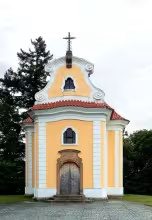
The Pohřební Kaple Hrabat Bertoldů is a notable cultural monument in Neznašov, within the Všemyslice district of Jihočeský kraj. Built between 1937 and 1938 as a family mausoleum for the Berchtold noble lineage, this new Baroque-style chapel stands on a hill overlooking the confluence of the Vltava and Lužnice rivers, about 100 meters southeast of Neznašov's cemetery. The site is occasionally opened to the public for events like chamber concerts.
The origins of the Pohřební Kaple Hrabat Bertoldů are deeply rooted in the history of the Berchtold family, who acquired the Neznašov estate in 1784 through a purchase by Prosper Antonín Berchtold. The chapel was commissioned by Juliana Berchtoldová z Uherčic, provd. Schnöblingová, following her husband's death. Designed by architect Vilém Rittershain and constructed by Antonín J. Kubíček, the chapel replaced a cross that previously marked the site, known as Kalvárie. The construction was completed in 1938, with its consecration performed by Antonín Bořek-Dohalský.
Architecturally, the chapel is distinguished by its new Baroque style and Greek cross plan. Its exterior features a single-aisled entrance facade adorned with profiled cornices and volute-topped pediments. The main portal is characterized by an elaborate design with segmental arches and volutes, while the overall structure is framed by rusticated pilasters. Despite its neglect following World War II, when it was confiscated due to the Berchtold family's association with German nationality, the chapel underwent restoration in 1999 after being transferred to municipal ownership.
Ownership of the chapel transitioned from Prosper Antonín Berchtold to Juliana Berchtoldová z Uherčic, provd. Schnöblingová, until its confiscation post-World War II under the Beneš Decrees due to the family's German affiliations. This led to a period of neglect and vandalism, including damage to the chapel’s structure.
Key events associated with the chapel include its completion in 1938 and the last burial conducted there in 1941. Following World War II, the chapel faced confiscation and subsequent restoration efforts culminating in 1999. A memorial cross erected by Juliana for her father, who was assassinated in 1918, was destroyed in 1980.
Today, the Pohřební Kaple Hrabat Bertoldů stands as a testament to both architectural beauty and historical complexity. It is preserved under municipal ownership and occasionally opened to the public, offering visitors a glimpse into its storied past. The chapel's location near the confluence of two rivers adds to its serene setting, making it an intriguing destination for those interested in Czech history and architecture.
The Pohřební Kaple Hrabat Bertoldů is not only a monument of architectural significance but also reflects the turbulent historical events that shaped its existence. Its restoration and preservation allow visitors to appreciate both its aesthetic qualities and its place within the broader narrative of European history. This chapel invites exploration, offering insights into the cultural heritage of the Czech nobility amidst changing national identities.
Historical milestones
- 1784
- Prosper Antonín Berchtold purchases Neznašov estate.
- 1937
- Construction of Pohřební Kaple Hrabat Bertoldů begins.
- 1938
- Completion and consecration of the chapel.
- 1941
- Last burial conducted in the chapel.
- 1945
- Confiscation of the chapel under Beneš Decrees post-WWII.
- 1999
- Restoration of the chapel after municipal ownership transfer.
Architectural development
Designed by architect Vilém Rittershain and built by Antonín J. Kubíček, the chapel features a Greek cross plan with a distinctive new Baroque style. The exterior is characterized by a single-aisled entrance facade adorned with profiled cornices and volute-topped pediments. Following neglect post-WWII, it underwent restoration in 1999 after being transferred to municipal ownership.
Historical events
- 1938
- Construction of the chapel was completed in 1938.
- 1941
- The last burial took place in 1941, after which the property was confiscated post-World War II.
Points of interest
- The chapel stands on a site previously marked by a cross known as Kalvárie, which was replaced by the new Baroque-style structure in 1938. - Despite its architectural beauty, the chapel suffered neglect and vandalism post-World War II due to the confiscation under the Beneš Decrees because of the Berchtold family's German affiliations. - A memorial cross erected by Juliana Berchtoldová for her assassinated father in 1918 was destroyed in 1980, reflecting ongoing tensions related to the chapel’s historical associations.
Guide
Show guide text
Welcome to the Pohřební Kaple Hrabat Bertoldů, a remarkable cultural monument nestled in Neznašov within the Všemyslice district of Jihočeský kraj. As you stand here, take a moment to appreciate the serene surroundings and the unique silhouette of this Baroque-style rotunda that commands attention on a gentle hill overlooking where the Vltava and Lužnice rivers converge.
The story of this chapel begins in 1784 when Prosper Antonín Berchtold acquired the Neznašov estate. Centuries later, between 1937 and 1938, the vision for a family mausoleum materialized under his lineage with the construction of this elegant structure. Designed by architect Vilém Rittershain, it was completed in 1938 and consecrated as a final resting place for the Berchtold noble family.
As you gaze upon the chapel, notice its harmonious proportions and the way it gracefully rises above the landscape. The site itself holds historical significance; it stands where once stood a cross known as Kalvárie, replaced by this new architectural marvel in 1938. While specific details of its interior are not visible from here, the exterior speaks volumes about the era's artistic sensibilities and the family’s desire for legacy.
The chapel is intertwined with notable figures such as Prosper Antonín Berchtold and Juliana Berchtoldová z Uherčic, provd. Schnöblingová, whose lives and stories are etched into its history. Despite its architectural beauty, post-World War II saw the chapel suffer neglect due to confiscation under the Beneš Decrees in 1945. It wasn't until 1999 that restoration efforts began after the municipal ownership transfer.
There's an air of mystery surrounding this place; imagine the stories it could tell if these walls could speak. From its inception as a noble family mausoleum to its turbulent history post-war, each stone seems to hold secrets from another time.
As you continue your visit, I invite you to explore further and let your imagination wander through the layers of history that this chapel embodies. Thank you for joining me on this journey through time and heritage at Pohřební Kaple Hrabat Bertoldů. Safe travels as you discover more of what Neznašov has to offer.
Tips for visitors
The best time to visit the Pohřební kaple hrabat Bertoldů is during late spring or early autumn when the weather is mild, and the natural surroundings are particularly beautiful. During these seasons, the confluence of the Vltava and Lužnice rivers offers picturesque views that complement the chapel's Baroque architecture. Additionally, visiting outside peak summer months can provide a more tranquil experience with fewer crowds.
Parking and transportation options for reaching the chapel include both private vehicles and public transport. There is parking available nearby, though it may be limited during busy times. Public transport is accessible, and visitors are advised to check current routes and schedules via an online search or local travel apps to ensure a smooth journey. The area's accessibility makes it convenient for those traveling from surrounding regions.
When planning your visit, consider bringing comfortable walking shoes as the terrain around the chapel can be uneven due to its natural setting. A camera is recommended to capture the stunning architecture and scenic views, especially during golden hours in the morning or late afternoon when the light enhances the chapel's features. Additionally, a light jacket might be useful if visiting in cooler months.
For photography enthusiasts, some of the best spots include the front entrance of the chapel where the Baroque elements are most prominent, as well as the surrounding landscape near the river confluence for capturing the interplay between nature and architecture. Early morning or late afternoon provides the best natural lighting conditions to highlight the chapel's details.
Nearby attractions within a 30-minute drive include the Neznašov cemetery, which holds historical significance due to its connection with the chapel. This site offers additional context about the area’s heritage. For families with children, these surroundings provide an opportunity for educational exploration as well as leisurely walks amidst nature.
Businesses nearby
Do you run a restaurant, accommodation, shop, museum, rental, wellness or other visitor service near this monument? Show yourself directly to the people heading to it — this is how they will see you in the app and on the web:
Nearby
Located near the confluence of the Vltava and Lužnice rivers, the chapel is surrounded by natural beauty. The area includes Neznašov cemetery where remains were later reinterred.
Accommodation nearby
Trips and activities nearby
Guided tours, tickets and activities nearby from GetYourGuide
Search tours and activities →Themed route
Thematic Walking Tour: The Bertoldi Family Burial Chapel and Surroundings
1. Pohřební kaple hrabat Bertoldů (Chapel) - *Type:* Historical monument - *Why Visit:* This exquisite chapel, nestled near the confluence of the Vltava and Lužnice rivers, serves as a testament to the architectural elegance of its era. Originally built for the Bertoldi family, it offers visitors an intimate glimpse into historical burial practices and local heritage.
2. Neznašov Cemetery - *Type:* Historical cemetery - *Why Visit:* Located in close proximity to the chapel, this cemetery is a serene resting place where remains were later reinterred. It provides an opportunity to reflect on history and connect with the past lives of those buried here, offering a peaceful atmosphere for contemplation.
3. Confluence of Vltava and Lužnice Rivers - *Type:* Natural site - *Why Visit:* This picturesque location is where the gentle waters of the Vltava meet the Lužnice rivers. The natural beauty surrounding this confluence provides a tranquil setting for visitors to enjoy scenic views, making it an ideal spot for relaxation and photography.
This walking tour offers a harmonious blend of history, nature, and reflection, all within the charming surroundings of Neznašov.
Seasonal recommendations
Spring: The spring season at the Bertold Grave Chapel in Neznašov offers a rejuvenating atmosphere as nature awakens around this historic site. The blooming flora provides a picturesque backdrop, with soft light filtering through new leaves and enhancing the chapel's architectural details. Visitors can enjoy the tranquility of the landscape without the summer crowds, making it an ideal time for those seeking peace and reflection. It is advisable to wear comfortable walking shoes as paths may be damp from spring rains. Early morning visits are recommended to experience the serene ambiance before any potential increase in visitor numbers.
Summer: Summer at the Bertold Grave Chapel brings vibrant life to the surrounding countryside, with lush greenery and warm sunlight casting dramatic shadows across the chapel's stonework. The longer daylight hours allow for extended exploration of the site, but it is important to be prepared for larger crowds during peak tourist season. Visitors should dress in light layers and bring water to stay hydrated under the sun. Arriving early in the day can help avoid the midday heat and ensure a more relaxed visit.
Autumn: Autumn transforms the area around the Bertold Grave Chapel with a stunning display of fall colors, creating an enchanting setting for visitors. The cooler temperatures make it comfortable to explore without the summer's warmth, while the golden hues enhance the chapel's historic charm. This is a particularly magical time to visit, as the landscape offers a serene and colorful atmosphere. It’s wise to wear layers that can be adjusted with the fluctuating temperatures throughout the day.
Winter: The winter season envelops the Bertold Grave Chapel in a quiet, almost mystical atmosphere, with snow-dusted landscapes providing a stark yet beautiful contrast against the chapel's architecture. Shorter days mean earlier closures and potentially limited access, so checking opening times is essential before visiting. Visitors should dress warmly in layers to combat the cold, and sturdy boots are recommended for walking on snowy or icy paths. The tranquility of winter offers a unique perspective on this historic site, ideal for those seeking solitude amidst nature's quiet beauty.
Visualizations and artistic views

Vizualizace jsou generovány umělou inteligencí a slouží jako inspirace.


Tips from visitors
No tips yet. Be the first!
Log in and add your tip.


Reviews and comments