






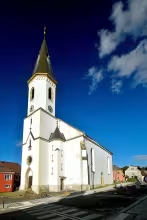
The Church of Saint Vitus in Osečná is a Roman Catholic parish church that exemplifies architectural transitions from late Gothic to Renaissance styles during the 16th century. Situated in the village of Osečná within the Liberec Region, this cultural monument was constructed between 1565 and 1568 by B. Serví. Its significance lies not only in its historical context but also in its unique blend of architectural elements that reflect the religious and artistic shifts of its time.
The church's construction period coincided with a transformative era in Bohemia, marked by significant cultural and religious changes as part of the broader European Renaissance movement. This was a time when medieval Gothic styles began to give way to more classical Renaissance influences in architecture and art. The Church of Saint Vitus embodies this transition through its architectural design and artistic features.
Architecturally, the church is characterized by its three-nave hall structure with a polygonal presbytery and a square sacristy. It features an octagonal tower adorned with baroque doors from the late 17th century, adding to its historical richness. The interior of the church underwent significant modifications around 1904, adopting pseudogothic elements that further enhance its aesthetic appeal. Notable artworks within the church include a Renaissance pulpit on an Ionic column dating back to its original construction period and a valuable baptismal font from 1612, intricately carved with festoons and angels.
The tower of the church was added in 1619 and later regotized in 1870, reflecting ongoing architectural developments. A significant restoration took place in 1901, ensuring the preservation of its historical integrity. The church also houses a Renaissance figurative tombstone, although it is noted to be worn over time.
Nearby, an Empire-style parsonage built in 1830 complements the church, adding to the area's architectural diversity. This rural landscape typical of the Liberec Region provides a serene backdrop for visitors exploring this historical site.
Today, the Church of Saint Vitus remains accessible and continues to be a significant cultural monument. Its blend of late Gothic and Renaissance styles, along with its rich history and artistic elements, make it a worthwhile visit for those interested in architectural history and religious heritage. The church not only offers insight into the past but also stands as a symbol of the enduring legacy of Bohemian artistry and craftsmanship. Visitors are invited to explore this remarkable site and appreciate its historical and cultural significance.
Historical milestones
- 1568
- Completion of the church's construction.
- 1619
- Construction of the tower.
- 1870
- Regotization of the tower.
Architectural development
Originally built between 1565 and 1568, the Church of Saint Vitus showcases a blend of late Gothic and Renaissance styles. The tower, constructed in 1619, was later regotized in 1870. Significant restoration occurred in 1901, with interior modifications around 1904 to adopt pseudogothic elements.
Historical events
Construction completed in 1568 by B. Serví.
The tower was added in 1619 and regotized in 1870.
Points of interest
- The Church of Saint Vitus in Osečná is one of the few examples where architectural transitions from late Gothic to Renaissance styles are so distinctly visible within a single structure. This makes it an exceptional case study for historians and architects interested in this period.
- Although primarily designed during the 16th century, the church's tower was added later in 1619, reflecting ongoing religious and community developments in Osečná. The decision to regotize it in 1870 further indicates a dynamic history of architectural adaptation and preservation efforts.
Guide
Show guide text
Welcome to the Church of Saint Vitus in Osečná, a remarkable testament to architectural evolution and historical richness nestled within this charming locale. As you stand before its venerable walls, take a moment to absorb the serene presence it exudes—a harmonious blend of late Gothic and Renaissance styles that whispers tales from centuries past.
This church was completed in 1568, emerging as a cultural monument during a time when religious and artistic transitions were at their peak. It serves not only as a place of worship but also as an embodiment of the era's architectural dialogue. The Church of Saint Vitus stands out for its distinctive transition from late Gothic to Renaissance styles within a single structure—a rarity that makes it an exceptional study piece for historians and architects alike.
As you explore, notice the three-nave hall with its polygonal presbytery and the square sacristy. These elements reflect the architectural ingenuity of the time. The octagonal tower, added in 1619 and regotized in 1870, rises above, inviting your gaze upward as it captures the essence of evolving styles.
While the architect B. Serví's identity remains shrouded in mystery, his work speaks volumes through its detailed craftsmanship and design choices that have withstood the test of time. The church's history is interwoven with unnamed figures who contributed to its legacy, leaving an indelible mark on this sacred site.
One intriguing aspect of Saint Vitus Church is how it encapsulates a unique architectural narrative. Its seamless blend of styles offers insights into the cultural and artistic shifts that occurred during its construction—a fascinating puzzle for those intrigued by history's layers.
As you conclude your visit, allow yourself to wander further around this historic gem. Each corner holds stories waiting to be discovered, inviting you to delve deeper into its past. Thank you for joining us on this journey through time at the Church of Saint Vitus in Osečná. We hope it inspires a lasting curiosity and appreciation for the rich tapestry of history that surrounds us.
Tips for visitors
The best time to visit the Church of Saint Vitus in Osečná is during late spring or early autumn when the weather is pleasant, allowing you to fully enjoy both the church and its rural surroundings without the discomforts of summer heat or winter cold. These seasons also offer beautiful natural lighting for photography, enhancing the architectural details of the church.
Parking and transportation options are available; visitors can drive to Osečná as there are parking facilities nearby. Alternatively, public transport is accessible, with routes that connect through the Liberec Region. It's advisable to check current travel schedules online before your visit for a smooth journey.
When visiting, it’s recommended to bring comfortable walking shoes and weather-appropriate clothing, especially if you plan to explore the surrounding rural landscape of Osečná. A camera or smartphone is also suggested to capture the church’s architectural beauty and the serene environment.
For photography enthusiasts, the best spots for capturing the Church of Saint Vitus are from the front where its late Gothic and Renaissance styles can be fully appreciated in natural light, particularly during golden hours at sunrise or sunset. The nearby Empire-style parsonage also offers a complementary backdrop for stunning photographs.
Families with children will find the area around Osečná inviting for exploration beyond the church. Within 30 minutes, you can visit the nearby Empire-style parsonage built in 1830, which complements the historical ambiance of the region and provides an educational experience about local architecture.
Businesses nearby
Do you run a restaurant, accommodation, shop, museum, rental, wellness or other visitor service near this monument? Show yourself directly to the people heading to it — this is how they will see you in the app and on the web:
Nearby
Nearby, an Empire-style parsonage built in 1830 complements the church. The area is characterized by its rural landscape, typical of the Liberec Region.
Accommodation nearby
Trips and activities nearby
Guided tours, tickets and activities nearby from GetYourGuide
Search tours and activities →Themed route
Thematic Walking Tour: Osečná
1. Kostel svatého Víta v Osečné (Church) Begin your journey at the heart of Osečná with the stunning Kostel svatého Víta, a remarkable example of ecclesiastical architecture that stands as a testament to the region's rich history. This church is not only a place of worship but also a cultural landmark, offering visitors a glimpse into the architectural styles and religious heritage of the area.
2. Empire-style Parsonage (Parsonage) A short walk from the church leads you to an Empire-style parsonage built in 1830. This elegant building complements the church beautifully, showcasing the architectural trends of its time. The parsonage is a perfect example of rural architecture and offers insights into the lifestyle and history of the local clergy during the 19th century.
3. Rural Landscape Exploration (Landscape) Venture beyond the built environment to immerse yourself in the typical rural landscape of the Liberec Region surrounding Osečná. This area is characterized by its serene beauty, with rolling hills and lush greenery that provide a peaceful backdrop for reflection or photography. The natural setting offers a perfect opportunity to appreciate the harmony between historical architecture and nature.
4. Return to Kostel svatého Víta (Church) Conclude your tour back at the Kostel svatého Víta, where you can take a moment to reflect on the architectural beauty and cultural significance of this landmark. Consider exploring any interior features or details you may have missed during your initial visit, such as frescoes, sculptures, or historical artifacts that enrich the church's story.
This thematic tour provides an engaging exploration of Osečná’s most notable landmarks, offering a blend of history, architecture, and natural beauty.
Seasonal recommendations
Spring: The arrival of spring at the Church of Saint Vitus in Osečná is marked by a gentle awakening of nature, with blossoming flowers and fresh greenery framing the historic architecture beautifully. The soft morning light enhances the intricate details of the church's stonework, creating an ethereal atmosphere perfect for photography. Visitors can enjoy the mild temperatures and longer daylight hours, making it ideal to explore at a leisurely pace without the summer crowds. It’s advisable to wear layers as mornings can be cool while afternoons warm up.
Summer: Summer in Osečná brings vibrant life to the Church of Saint Vitus, with lush landscapes and clear skies providing a stunning backdrop for this historic site. The church is particularly lively during the main summer season, drawing visitors eager to experience its grandeur under bright sunlight. To avoid long lines at popular times, consider visiting early in the morning or later in the afternoon. Comfortable walking shoes and light clothing are recommended due to the warm weather, and don’t forget sunscreen for protection against strong sun rays.
Autumn: Autumn transforms the Church of Saint Vitus into a picturesque wonderland with its rich tapestry of reds, oranges, and yellows. The soft autumnal light casts a golden hue over the church’s façade, enhancing its historical charm. This season is ideal for those who appreciate serene settings as visitor numbers tend to decrease compared to summer. It's wise to wear warm layers since temperatures can drop significantly, especially in the evenings. Carrying an umbrella might be prudent due to occasional rain showers.
Winter: Winter envelops the Church of Saint Vitus in a quiet, magical atmosphere, with snow often adorning its surroundings and creating a serene landscape. The church is illuminated by gentle lighting that highlights its architectural features against the snowy backdrop, offering a unique visual experience. Visitor numbers are typically lower, allowing for a more intimate exploration. It’s essential to dress warmly in layers and wear waterproof boots due to cold temperatures and potential snowfall. Be mindful of shorter opening hours during this season.
Visualizations and artistic views

Vizualizace jsou generovány umělou inteligencí a slouží jako inspirace.


Tips from visitors
No tips yet. Be the first!
Log in and add your tip.
Location on the map


Příběhy a pověsti
Legendy, pověsti a příběhy spjaté s touto památkou
Reviews and comments