





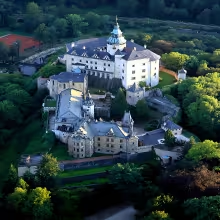
The Chapel of Saint Anne in Frýdlant is a Renaissance sacred space within the Frýdlant Castle complex. It stands as evidence of the architectural transformation of the castle during the late 16th century, reflecting broader cultural shifts in Bohemia under Habsburg rule. Its significance lies not only in its historical context but also in its unique blend of Northern German Renaissance and Gothic elements.
Constructed between 1598 and 1602, the chapel was initiated by Melchior z Redernu and his wife Kateřina Šliková as part of a comprehensive renovation of Frýdlant Castle. This period marked an era when many noble families in Bohemia commissioned grand projects to showcase their wealth and status, influenced by Renaissance ideas spreading across Europe. Architects Marco Spazzio z Lancia and Antonius oversaw the design, with artistic contributions from Ambrosius Fritsch and Bartolomeus Spranger.
Architecturally, the Chapel of Saint Anne is notable for its adaptation to existing fortifications, resulting in an irregular composition that expanded primarily towards the west. It features a three-apse layout based on a Greek cross plan, with a central square space above the crossing of transepts. The chapel's design incorporates high windows with tracery ending in stepped arches, blending Northern German Renaissance styles with Gothic elements. Its roof is covered with slate tiles and adorned with wrought iron cresting.
The interior underwent significant changes in 1781 when it was redecorated with ornamental and figurative sgraffiti and tempera paintings by F. Dietrich from Dresden. These artworks, along with the intricate stucco vaults and lunette ceilings, enhance the chapel's aesthetic appeal. The main altar, crafted between 1609 and 1610 by Ambrosius Fritsch and K. Guttbier from Liberec, features traditional Renaissance architecture with Corinthian columns and a series of reliefs depicting biblical scenes.
In addition to its architectural and artistic significance, the chapel houses two late Gothic panel paintings of Saints Erhard and Burkard, as well as liturgical items that have been recently displayed. The organ in the chapel has an interesting history; originally from the Tauchman workshop, it was replaced by a new instrument crafted by the Walter brothers' workshop in 1873.
Today, the Chapel of Saint Anne remains accessible to visitors, offering a glimpse into the rich cultural and architectural heritage of Frýdlant. Its blend of Renaissance and Gothic elements, along with its historical significance, makes it a worthwhile destination for those interested in exploring Bohemian history and art. Visitors are invited to appreciate this remarkable monument and its enduring legacy within the Frýdlant Castle complex.
Historical milestones
- 1598-1602
- Construction of the chapel as part of the Renaissance transformation of Frýdlant Castle.
- 1781
- Interior redecoration with sgraffiti and tempera paintings by F. Dietrich from Dresden.
Architectural development
The Chapel of Saint Anne was built between 1598 and 1602, initiated by Melchior z Redernu and his wife Kateřina Šliková. The design incorporated elements of the Northern German Renaissance with some Gothic features. In 1781, the interior underwent significant redecoration featuring sgraffiti and tempera paintings. Further modifications in the late 19th century included Neo-Renaissance alterations to the entire castle.
Historical events
1598-1602: Construction of the chapel during the Renaissance transformation of Frýdlant Castle.
1781: Interior redecoration with ornamental and figurative sgraffiti and tempera paintings by F. Dietrich from Dresden.
Points of interest
- The Chapel of Saint Anne was part of a broader trend among Bohemian noble families to commission grand projects during the late 16th century, reflecting their wealth and status influenced by Renaissance ideas spreading across Europe.
- Architect Marco Spazzio z Lancia and Antonius were responsible for the chapel's design, which uniquely blends Northern German Renaissance styles with Gothic elements, making it architecturally distinct within the Frýdlant Castle complex.
Guide
Show guide text
Welcome to the enchanting Chapel of Saint Anne in Frýdlant, a jewel nestled within the grandeur of the Frýdlant Castle complex. As you stand here today, imagine stepping back into the late 16th century when this sacred space first took shape, embodying the spirit and artistry of the Renaissance era.
The chapel's construction spanned from 1598 to 1602, marking a significant period in which the Frýdlant Castle underwent a transformative makeover. This was part of a broader trend among Bohemian noble families who sought to express their wealth and status through grand architectural projects inspired by the flourishing Renaissance ideas sweeping across Europe.
As you look around, take note of the chapel's unique blend of architectural influences. The structure reflects elements from Northern German Renaissance, evident in its design details, while still preserving some Gothic features such as high windows with intricate tracery that gracefully conclude in pointed arches. These stylistic choices create a harmonious fusion that invites you to explore every corner.
The vision behind this remarkable chapel was brought to life by the talented architects Marco Spazzio z Lancia and Antonius, who were responsible for its design and construction. Their collaboration resulted in a space that not only served religious purposes but also stood as a testament to artistic ingenuity and cultural exchange during that era.
Several historical figures are intricately linked with this site. Melchior z Redernu, alongside his wife Kateřina, rozená Šliková, played pivotal roles in commissioning the chapel, showcasing their influence and devotion. The interior of the chapel later received an artistic touch in 1781 when F. Dietrich from Dresden adorned its walls with sgraffiti and tempera paintings, adding layers of visual storytelling to this sacred space.
A fascinating aspect of the Chapel of Saint Anne is its connection to renowned artists like Ambrosius Fritsch and Bartolomeus Spranger, whose works have contributed to the chapel's rich historical tapestry. These connections highlight the chapel not just as a place of worship but also as a cultural hub that attracted some of the most distinguished figures of the time.
As you continue your visit, take a moment to immerse yourself in the atmosphere and reflect on how this chapel has stood the test of time, bridging past and present through its enduring beauty and historical significance.
Thank you for joining us on this journey into history. We invite you to explore further and discover more about the stories and artistry that make the Chapel of Saint Anne a remarkable piece of our shared heritage. Safe travels as you continue your exploration!
Businesses nearby
Do you run a restaurant, accommodation, shop, museum, rental, wellness or other visitor service near this monument? Show yourself directly to the people heading to it — this is how they will see you in the app and on the web:
Accommodation nearby
Trips and activities nearby
Guided tours, tickets and activities nearby from GetYourGuide
Search tours and activities →Themed route
Tematická výletní trasa: Kaple svaté Anny (Frýdlant)
1. Kaple svaté Anny (Frýdlant) - Kaple Začněte svůj výlet u kaple svaté Anny, která se nachází uprostřed Frýdlantu. Tato barokní stavba je známá pro svou architektonickou krásu a historii. Kaple byla postavena v 18. století jako děkovná kaple za záchranu místního knížete před nehodou. Je to ideální místo, kde si užijete klidné okamžiky a oceníte historický význam této památky.
2. Historické náměstí Frýdlant - Náměstí Přibližně 5 minut chůze od kaple svaté Anny se nachází Historické náměstí, které je srdcem města. Toto místo nabízí pohled na starobylou architekturu a je ideální pro procházku po ulicích plných historie. Náměstí sloužilo jako centrum městského života od středověku, což vám umožní cítit atmosféru minulosti.
3. Frýdlantská radnice - Historický objekt Od historického náměstí jdete asi 10 minut k Frýdlantské radnici. Tento barokní palác je vynikajícím příkladem místní architektury a byl postaven na konci 17. století. Radnice sloužila jako sídlo správy a dnes si můžete užít její elegantní fasády a historické výzdoby.
4. Frýdlantský zámek - Zámek Nakonec se dostanete k Frýdlantskému zámku, který je jen pár minut chůze od radnice. Tento barokní zámek je známý svou krásnou architekturou a historickým významem. Zámek byl dříve sídlem místního knížecího rodu a nyní slouží jako kulturní centrum, kde se konají různé akce a vystavování.
Tato trasa vás provede skrze historický Frýdlant, nabídne pohled na jeho architektonické krásy a umožní si užít klidné chvíle plné historie a kultury.
Seasonal recommendations
Jaro: Kaple svaté Anny v Frýdlantu nabízí zvláštní krásu během jara, kdy se lesy kolem ní pokrývají živou zelení a kvetoucími stromky. Sluneční paprsky pronikají skrz listové klenby, osvětluje interiér kaple v mírném světle, které zdůrazňuje její historickou architekturu. Atmosféra je klidná a příroda nabízí nezapomenutelný pozadí pro návštěvníky. Doporučený čas na návštěvu je ve středu dne, když slunce osvětluje kapli optimálním světlem. Navštívte ji v mírném oblečení a ujistěte se, že máte s sebou boty vhodné pro chůzi po trávníku.
Léto: Léto přináší kapli svaté Anny do plného rozkvětu, kdy je okolní zelená louka nejkrásnější a slunečné dny jsou ideální pro návštěvu. Vzhledem k vysokým teplotám se doporučuje přijít ráno nebo večer, aby bylo možné vyhnout se nejteplejším hodinám a přetížení davu. Dobrý čas na návštěvu je také v poledních hodinách, kdy slunce osvětluje kapli zlatým světlem. Nezapomeňte se připravit na teplou povětrnost s lehkým oblečením a ochranou proti slunci.
Podzim: V podzimu nabízí kaple svaté Anny klidnou atmosféru, když jsou lesy kolem ní pokryty zlatem a rudými listy. Sluneční paprsky pronikající skrz prázdná stromová větve osvětlují interiér kaple v mírném světle, což přidává k její historické krásné další vrstvu. Atmosféra je klidná a není tak často navštěvována jako v letních měsících. Doporučený čas na návštěvu je ve středu dne, když slunce osvětluje kapli optimálním světlem. Navštívte ji v mírném oblečení a ujistěte se, že máte s sebou boty vhodné pro chůzi po trávníku.
Zima: V zimních měsících nabízí kaple svaté Anny útulný útočiště od studených vichřic, když je její interiér osvětlen jemným světlem. Atmosféra je klidná a téměř magická, zejména pokud se kolem ní usadí sníh. Vzhledem k chladnému počasí jsou otevírací hodiny obvykle kratší, takže je důležité zkontrolovat aktuální časy před návštěvou. Doporučený čas na návštěvu je ve středu dne, kdy slunce osvětluje kapli optimálním světlem. Navštívte ji v teplém oblečení a ujistěte se, že máte s sebou boty vhodné pro chůzi po sněhu nebo mrazivé povrchu.
Visualizations and artistic views


Vizualizace jsou generovány umělou inteligencí a slouží jako inspirace.


Tips from visitors
No tips yet. Be the first!
Log in and add your tip.


Reviews and comments