






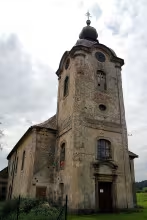
The Church of Saint Barbara in Rynoltice is a Baroque Roman Catholic parish church located at the heart of this quaint town, about 250 meters south of the main road. This historical monument reflects the region's rich cultural and religious heritage, showcasing significant architectural and artistic developments.
The origins date back to 1669 when a chapel was built on an old cemetery site in Rynoltice. By 1701, the area was enclosed by a wall, setting the stage for further transformation. Between 1745 and 1748, the chapel underwent renovations and expansions, evolving into a Baroque church dedicated to Saint Barbara. This period coincided with Bohemia's inclusion in the Habsburg Monarchy, during which Baroque culture spread across Europe. The Counter-Reformation's emphasis on grandeur and emotional appeal is evident in the architectural style.
Architecturally, the Church features a half-circular presbytery topped with a conch that houses frescoes depicting Saint Barbara's martyrdom. Additional artworks celebrate her as the church's patron saint. The interior includes wooden altarpieces and sculptures from 1746, featuring dynamic figures of saints such as Markéta and Kateřina, angels, and seated evangelists. A bell tower with a base measuring 25 meters adds to its imposing presence.
Throughout history, the Church has been under various administrative influences. While specific owners are not detailed in records, it became part of the parish administration managed from Dlouhý Most. The current spiritual and material management involves Bc. Michal Olekšák as an administrator excurrendo.
Several key events mark its history. In 1850, a lime tree avenue was planted leading to the church, enhancing its approach with natural beauty. By 1879, a new cemetery was established west of Rynoltice, replacing the old one near the church. A nearby monument commemorates local residents who fell during World War I, adding historical depth to the area.
Today, the Church is accessible to the public but only during specific hours. It serves as a place for religious services and hosts concerts, inviting visitors to experience its cultural significance. The church is undergoing gradual restoration supported by the Ministry of Culture, highlighting its status as a monument in need of preservation.
Visitors are encouraged to explore this remarkable site, where history and artistry converge within the walls of the Church of Saint Barbara. Its architectural beauty and historical depth make it a compelling destination for those interested in Baroque architecture and religious heritage.
Historical milestones
- 1669
- A chapel was constructed on the site of an old cemetery.
- 1701
- A wall was erected around the old cemetery.
- 1745
- The chapel was transformed into a Baroque church and expanded with a bell tower.
- 1746
- The church was adorned with wooden altarpieces and sculptures.
Architectural development
The Church of Saint Barbara underwent significant architectural development from its initial construction as a chapel in 1669. By 1701, a wall had been erected around the old cemetery, and between 1745 and 1748, it was expanded into a Baroque church with an attached bell tower featuring a base measuring 25 meters. The church's interior includes frescoes and wooden altarpieces from the mid-18th century.
Historical events
In 1669, a chapel was constructed on the site of an old cemetery in Rynoltice.
Between 1745 and 1748, the chapel was transformed into a Baroque church dedicated to Saint Barbara.
Points of interest
- The Church of Saint Barbara was originally built on the site of an old cemetery in 1669, reflecting a common practice of constructing religious sites over former burial grounds during that era. - Between 1745 and 1748, the chapel underwent significant renovations to transform into a Baroque church, coinciding with Bohemia's integration into the Habsburg Monarchy, which facilitated the spread of Baroque culture throughout Europe.
Guide
Show guide text
Welcome to the historic Church of Saint Barbara in Rynoltice, a remarkable testament to Baroque architecture nestled in this charming town center. As you stand here, approximately 250 meters south of the main road, take a moment to appreciate your surroundings. The church's elegant facade and serene presence invite you into its rich history.
Let’s delve into its origins. Built initially as a chapel in 1669 on an old cemetery site, this sacred place has been part of Rynoltice for centuries. Picture the early settlers gathering here, seeking solace over what was once a burial ground—a common practice during that era. By 1701, a wall had already been erected around the cemetery, marking a significant step in its evolution.
Fast forward to between 1745 and 1748, when this chapel underwent a remarkable transformation into the Baroque church you see today. During these years of renovation, not only was it expanded with a bell tower, but it also received wooden altarpieces and sculptures that adorn its interior. The half-circular presbytery is particularly striking, featuring frescoes that depict Saint Barbara’s martyrdom—a focal point for reflection.
As we explore further, notice the craftsmanship evident in every detail. While specific architects remain unknown, their vision has left us with a masterpiece of Baroque design. The church's architecture invites you to look up and around, absorbing its grandeur and intricate details.
Though no notable historical figures are directly linked to this site, its transformation from chapel to church tells a story of community dedication and religious devotion. This evolution mirrors the broader cultural shifts occurring in Europe during the 18th century, as Baroque art flourished.
Now, let’s touch upon an intriguing aspect: the decision to build over an old cemetery. This practice was not uncommon at the time, symbolizing renewal and continuity between past and present—a fascinating blend of reverence for those who came before with aspirations for spiritual growth.
As we conclude our brief tour, I invite you to linger a while longer, absorbing the atmosphere and perhaps exploring nearby areas in Rynoltice. There’s always more to discover here, stories waiting to be uncovered by curious minds like yours. Thank you for joining me today at this beautiful site. May your visit inspire further exploration and appreciation of history's enduring legacy.
Tips for visitors
The best time to visit the Church of Saint Barbara in Rynoltice is during late spring or early autumn when the weather is mild, making it pleasant for walking around the town center and exploring nearby attractions. These seasons offer vibrant natural scenery, especially with the lime tree avenue leading to the church, which can enhance your experience. Additionally, visiting outside peak tourist season ensures a more tranquil atmosphere, allowing you to appreciate the Baroque architecture without large crowds.
Parking is generally available in the vicinity of Rynoltice town center where the Church of Saint Barbara is located. If traveling by public transport, check for local bus services that connect nearby towns and villages to Rynoltice. For specific schedules and routes, it's recommended to use a transportation search tool or consult local tourist information centers upon arrival.
When visiting the church, consider bringing comfortable walking shoes as you may want to explore the surrounding area, including the lime tree avenue and the World War I monument. A camera is advisable for capturing the picturesque setting of the church and its Baroque features. If planning a longer stay in Rynoltice, packing a light jacket or an umbrella might be useful due to variable weather conditions.
For photography enthusiasts, the best spots around the Church of Saint Barbara include the lime tree avenue leading up to it, which provides a beautiful backdrop during golden hour (early morning or late afternoon). The church's facade and interior are also excellent subjects for capturing its Baroque details. Natural light is ideal, so plan your visit when sunlight enhances these features.
Nearby attractions within a 30-minute walk include the monument commemorating local residents who fell during World War I, which offers historical insights into Rynoltice's past. For families with children, this area provides an educational experience while being close to the church. Exploring the town center may also reveal charming shops and cafes where you can relax after your visit.
Businesses nearby
Do you run a restaurant, accommodation, shop, museum, rental, wellness or other visitor service near this monument? Show yourself directly to the people heading to it — this is how they will see you in the app and on the web:
Nearby
The Church of Saint Barbara is situated in the center of Rynoltice, with a lime tree avenue leading to it. Nearby, there is a monument commemorating local residents who fell during World War I.
Accommodation nearby
Trips and activities nearby
Guided tours, tickets and activities nearby from GetYourGuide
Search tours and activities →Themed route
Thematic Walking Tour: Rynoltice and the Church of Saint Barbara
1. The Church of Saint Barbara *Type:* Historical Landmark *Why Visit:* Begin your journey at the heart of Rynoltice with this stunning example of Baroque architecture, dedicated to Saint Barbara. The church is not only a spiritual center but also a testament to the town's rich history and cultural heritage.
2. Lime Tree Avenue *Type:* Scenic Pathway *Why Visit:* Stroll down the charming lime tree avenue leading up to the Church of Saint Barbara. This picturesque path offers a serene walk, connecting you with nature while providing a tranquil lead-up to your main destination.
3. World War I Monument *Type:* Memorial Site *Why Visit:* Nearby the church stands a poignant monument commemorating local residents who fell during World War I. It serves as a powerful reminder of the sacrifices made by the community and offers a moment for reflection on the impact of historical events.
This tour provides an enriching experience, combining architectural beauty with historical significance, all within the charming setting of Rynoltice.
Seasonal recommendations
Spring: Visiting the Church of Saint Barbara in Rynoltice during spring offers a unique experience as nature awakens around this historical site. The surrounding landscape is adorned with blooming flowers and fresh greenery, creating a vibrant backdrop for your visit. This season often brings mild temperatures, making it ideal for exploring at a leisurely pace. However, be prepared for occasional rain showers that can add to the lush atmosphere but may also affect visibility of certain outdoor features. As spring tends to attract nature enthusiasts and photographers, arriving early in the morning can help you avoid larger crowds and enjoy a more serene experience.
Summer: Summer is an excellent time to visit the Church of Saint Barbara, as the warm weather allows for extended exploration both inside the church and in its picturesque surroundings. The longer daylight hours provide ample opportunity to appreciate the intricate details of the architecture without feeling rushed. However, this season is also popular among tourists, so it's wise to plan your visit during off-peak times or weekdays to avoid larger crowds. Light, breathable clothing is recommended for comfort as you explore, and carrying a hat or sunscreen can help protect against prolonged sun exposure.
Autumn: Autumn brings a magical transformation to the Church of Saint Barbara and its surroundings in Rynoltice. The changing leaves create a stunning tapestry of reds, oranges, and yellows, offering a breathtaking view that enhances the historical ambiance of the site. Cooler temperatures make for pleasant walking conditions as you explore the area. During this season, it's advisable to dress warmly in layers, as evenings can be quite chilly. While autumn is generally less crowded than summer, visiting during weekends might still see an increase in visitors drawn by the beautiful foliage.
Winter: Winter offers a serene and contemplative atmosphere at the Church of Saint Barbara, with snow often blanketing the landscape and adding a touch of quiet beauty to the historical site. The shorter days mean that visits should be planned earlier in the day to make the most of natural light, as some areas might have limited accessibility or shorter opening hours due to weather conditions. It's essential to dress warmly in layers and wear appropriate footwear for potentially icy paths. Despite fewer visitors during this time, it's a perfect opportunity to enjoy the church’s tranquility without distractions, though some outdoor features may be less visible under snow cover.
Visualizations and artistic views

Vizualizace jsou generovány umělou inteligencí a slouží jako inspirace.


Tips from visitors
No tips yet. Be the first!
Log in and add your tip.



Reviews and comments