






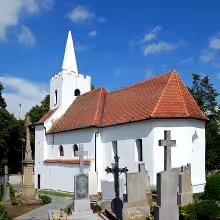
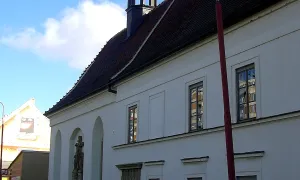
The Church of Saint Wenceslas in Dolní Dubňany is a Romanesque single-nave church from the mid-13th century. It holds historical significance and notable architectural features. Situated on a slope above the village's eastern edge, it stands as a cultural monument with ties to the Knights Templar. The church reflects both religious devotion and regional development during Bohemia's time in the Holy Roman Empire.
Constructed by the Knights Templar in the mid-13th century under King Wenceslas I, this era was marked by growth and consolidation. Religious orders like the Templars significantly influenced regional development. The church's construction highlights its role as a spiritual center and an architectural achievement of that period.
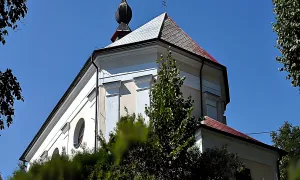
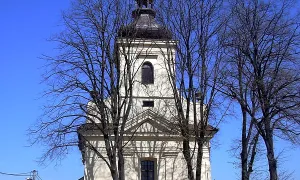
Architecturally, it features a Romanesque style with a single nave, polygonal apse, and an attached bell tower on the western facade. Over time, modifications have altered its original form. In the late 16th century, changes to the bell tower's crown possibly included adding a brick spire. The early 19th century saw renovations like bricking up the southern entrance and creating a new one under the bell tower in 1807. Further alterations occurred in 1885 and 1902.
Inside, notable features include a late Romanesque stone baptismal font from the mid-13th century, showcasing period craftsmanship. An 18th-century painting of Saint Wenceslas adds cultural significance. Two ancient bells are present, one dating back to the 13th century with a German inscription, underscoring its historical importance.
Today, it remains a filial church under Horní Dubňany's parish and is protected as a cultural monument. It serves as a place of worship while attracting visitors interested in its architectural beauty and history. The surrounding cemetery, enclosed by a wall, offers scenic views from its elevated position above the village.
Visiting the Church of Saint Wenceslas provides an opportunity to explore Bohemian history and appreciate medieval architecture's enduring legacy. Its historical context, artistic features, and serene setting make it a worthwhile destination for cultural heritage enthusiasts.
Historical milestones
- 1250
- Založení kostela svatého Václava v Dolních Dubňanech.
- 1300
- Kostel stojí pod vládou krále Václava I.
- konec 16. století
- Možné úpravy koruny věže, pravděpodobně přidání kamenné špičky.
- 1807
- Vytvoření nového vchodu pod věží a zasypání jižního vchodu.
- 1885
- Úpravy kostela provedeny.
- 1902
- Další úpravy kostela provedeny.
Architectural development
Originally constructed as a Romanesque church, it underwent significant modifications over time. In the late 16th century, the bell tower's crown was altered, possibly adding a brick spire. The early 19th century saw further changes, including the construction of a new entrance and staircase. Additional renovations occurred in 1885 and 1902.
Historical events
The church was likely built by the Knights Templar in the mid-13th century.
In 1807, during renovations, the original southern entrance was bricked up and a new one created under the bell tower.
Points of interest
- The Church of Saint Wenceslas is linked to the Knights Templar, a notable yet mysterious medieval order known for their military prowess and financial acumen, adding an aura of intrigue to its history.
- Despite being constructed in the mid-13th century, one of the church's bells dates back to this period with a German inscription, reflecting the multicultural influences present during Bohemia's time in the Holy Roman Empire.
Guide
Show guide text
Welcome to the historic Church of Saint Wenceslas in Dolní Dubňany, a remarkable testament to Romanesque architecture nestled on a gentle slope above the village's eastern edge. As you stand here, take a moment to absorb the serene atmosphere and the church’s commanding presence against the landscape.
The origins of this church date back to the mid-13th century, around 1250, when it was founded during the reign of King Václav I. Over the centuries, it has witnessed numerous changes, reflecting both the turbulent and transformative periods in history. Despite these modifications, its essence as a place of worship and community gathering remains intact.
As you gaze at the church's structure, notice its single-nave design—a hallmark of Romanesque architecture. The polygonal apse and the bell tower attached to the western facade are particularly striking features that draw the eye. These elements not only enhance the aesthetic appeal but also speak volumes about the architectural ingenuity of the time.
The Church of Saint Wenceslas holds intriguing connections, notably with the Knights Templar. This enigmatic medieval order is renowned for their military and financial prowess, adding a layer of mystery to the church's history. Imagine the stories that might have unfolded within these walls or beneath this bell tower as members of such an illustrious group passed through.
Throughout its existence, the church has undergone various modifications. In the late 16th century, there were likely alterations to the bell tower, possibly including the addition of a stone spire—a common architectural enhancement during that era. Fast forward to 1807, when a new entrance was created under the tower and an existing southern entrance was filled in, reflecting changing needs or aesthetic preferences.
Further modifications took place in 1885 and again in 1902, ensuring the church continued to serve its community while preserving its historical essence. These changes are a testament to the enduring significance of this sacred site through time.
One of the church's bells intriguingly predates its construction by several decades, adding another layer of mystery and history to this already fascinating place. Such details invite us to ponder the stories these walls could tell if they had voices.
As you continue your exploration, I encourage you to immerse yourself in the atmosphere of this historic site. Let your imagination wander through time, envisioning the lives and events that have unfolded here. The Church of Saint Wenceslas is not just a building; it's a living narrative waiting for you to uncover its secrets.
Thank you for joining me on this journey into history. I hope this experience has inspired you to delve deeper into the rich tapestry of stories that places like Dolní Dubňany have to offer. Safe travels as you continue your exploration, and may each step bring new discoveries and insights.
Tips for visitors
The best time to visit the Church of Saint Wenceslas in Dolní Dubňany is during late spring or early autumn when the weather is pleasant, and the surrounding nature is particularly vibrant. These seasons offer comfortable temperatures for exploring both the church and its cemetery, which provides scenic views from an elevated position above the village. Additionally, visiting outside of peak summer months can help avoid larger crowds, allowing for a more serene experience.
Parking and transportation options are convenient for visitors to Dolní Dubňany. The area is accessible by car, with parking available near the church; however, it's advisable to check local resources or maps for specific parking details closer to your visit. Public transport can also be used to reach the village, but you should verify current routes and schedules through a transportation search tool prior to your trip.
When visiting the Church of Saint Wenceslas, consider bringing comfortable walking shoes as there may be some elevation changes due to the church's position on a slope. A camera or smartphone is recommended for capturing the picturesque views from the cemetery area. Additionally, carrying water and perhaps a light snack can enhance your visit, especially if you plan to explore the surrounding landscape.
For photography enthusiasts, the best spots around the Church of Saint Wenceslas include the elevated areas near the cemetery where panoramic views of Dolní Dubňany can be captured. Early morning or late afternoon is ideal for capturing soft lighting and long shadows that highlight the church's Romanesque architecture. The polygonal apse of the church also offers unique angles for architectural shots.
Nearby attractions within a 30-minute drive include other historical sites in the Jihomoravský kraj region, offering insights into local history and culture. Exploring these can provide additional context to your visit to Dolní Dubňany. For families with children, consider planning for some downtime at the cemetery's scenic spots where kids can enjoy the open space and views.
Businesses nearby
Do you run a restaurant, accommodation, shop, museum, rental, wellness or other visitor service near this monument? Show yourself directly to the people heading to it — this is how they will see you in the app and on the web:
Nearby
Surrounding the church is a cemetery enclosed by a wall. The area offers scenic views from its elevated position above the village.
Accommodation nearby
Themed route
Tematická výletní trasa z Dolní Dubňany
1. Kostel svatého Václava (Dolní Dubňany) - Kostel Začněte svou cestu u kostela svatého Václava, historické památky s bohatou architektonickou minulostí. Tento kostel je nejen duchovním centrem obce, ale také nabízí krásné výhledy z jeho vyšší polohy nad vesnicí. Je to ideální místo pro pochopení místní historie a kultury.
2. Hřbitov u kostela svatého Václava - Hřbitov Prozkoumejte hřbitov, který obklopuje kostel ze všech stran zdí. Tento místo nabízí klidnou atmosféru pro odpočinek a reflexi, zatímco jeho poloha poskytuje panoramatické výhledy na okolní krajinu. Hřbitov je také částí místní historie, připomínající generace obyvatel Dolní Dubňan.
3. Výhled z hřbitova - Výhled Od hřbitova si užijte výhled na okolní krajinu Dolní Dubňan. Tato vyšší poloha nabízí jedinečnou perspektivu na vesnici a její přírodní prostředí, což je ideální místo pro fotografování nebo jen relaxaci v klidné atmosféře.
4. Okolní cesta kolem kostela - Procházka Navrhněte si krátkou procházku kolem kostela a hřbitova, která vám umožní seznámit s okolními zelenými plochami. Tato cesta poskytuje příležitost k relaxaci ve venkovním prostředí a užívání si klidu a ticha, které charakterizuje Dolní Dubňany.
5. Nádvoří kostela svatého Václava - Nádvoří Zavěšte svůj výlet na nádvoří kostela, kde můžete prozkoumat jeho architektonické detaily a možná se setkat s místními obyvateli nebo turisty. Toto místo je ideální pro pochopení duchovního i komunitního významu kostela ve vesnici.
Tato trasa nabízí komplexní pohled na kulturní a historické aspekty Dolní Dubňan, s důrazem na klidné a přirozené prostředí okolí.
Seasonal recommendations
Spring: Visiting the Church of Saint Wenceslas during spring offers a unique experience as nature begins to awaken around Dolní Dubňany. The surrounding landscape is adorned with blooming flowers and fresh greenery, providing a picturesque backdrop for your visit. This season's gentle light enhances the architectural details of the church, creating an inviting atmosphere. To make the most out of your spring visit, it's advisable to dress in layers as temperatures can vary throughout the day. Early mornings or late afternoons are ideal times to explore when daylight is softer and crowds might be smaller.
Summer: The summer months bring a vibrant atmosphere to the Church of Saint Wenceslas, with Dolní Dubňany basking in warm sunlight that accentuates the church's historical features. This season attracts more visitors due to its pleasant weather, making it perfect for leisurely exploration. However, to avoid larger crowds, consider visiting early in the morning or later in the afternoon when the sun is less intense. Comfortable walking shoes and light clothing are recommended, along with a hat and sunscreen to protect against the summer heat.
Autumn: Autumn transforms the Church of Saint Waveslas into a serene haven amidst Dolní Dubňany's changing foliage. The warm hues of reds, oranges, and yellows create an enchanting atmosphere that complements the church's historical charm. This season offers a quieter experience compared to summer, with fewer visitors enjoying the cooler temperatures. Dress in layers to stay comfortable as the weather can be unpredictable, and bring a camera to capture the stunning autumnal landscapes that frame the church.
Winter: The winter months envelop the Church of Saint Wenceslas in a peaceful hush, with snow often blanketing Dolní Dubňany and adding a magical quality to the historic site. Shorter days mean earlier closures, so plan your visit accordingly. Winter's crisp air enhances the church's architectural details, making it an ideal time for photography enthusiasts. Dress warmly in layers, including thermal wear and waterproof outer garments, to stay comfortable during your exploration. The serene winter atmosphere provides a unique opportunity to experience the church with fewer visitors around.
Visualizations and artistic views

Vizualizace jsou generovány umělou inteligencí a slouží jako inspirace.

Tips from visitors
No tips yet. Be the first!
Log in and add your tip.
Reviews and comments