





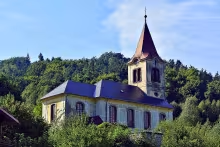
The Church of Saint Pancras in Jítrava stands as a testament to historical resilience and architectural evolution within Rynoltice municipality's rural heart in the Liberec Region. This Roman Catholic parish church is prominently located at the center of the village's cemetery, marking its significance not only as a place of worship but also as a cultural landmark with roots stretching back to the 14th century. The church has undergone several transformations over the centuries, most notably after a devastating fire in 1868 caused by lightning, leading to its reconstruction with pseudobaroque elements that reflect broader European architectural trends of the late 19th century.
The origins of the Church of Saint Pancras trace back to the 14th century when it was first mentioned in historical records. By around 1710, a stone church had been constructed, followed by the addition of a polygonal northern chapel in 1737. These developments highlight the community's dedication to their place of worship and its importance within Jítrava. The church's history took a dramatic turn on April 8, 1868, when it was destroyed by fire due to a lightning strike. This event marked a pivotal moment, leading to the reconstruction of the current structure just over a year later in 1869.
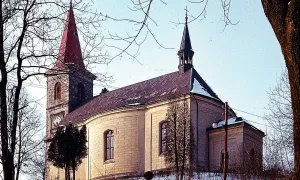
Architecturally, the Church of Saint Pancras is characterized by its oblong shape with four axes and pilaster divisions, showcasing a blend of historical styles. The church features a western bell tower with a pyramidal roof and a square presbytery. Its nave is covered with a barrel vault, while the presbytery boasts a cross vault. The pseudobaroque interior elements, added during the reconstruction period after 1868, reflect the architectural influences of that era, integrating both traditional and contemporary styles.
Throughout its history, the church has remained under the administration of the Roman Catholic parish, serving as a spiritual center for the local community. Its endurance through events such as the lightning-induced fire and subsequent rebuilding underscores its significance not only as a religious site but also as a symbol of resilience and continuity in Jítrava.
Today, the Church of Saint Pancras stands as an accessible monument that invites visitors to explore its rich history and architectural beauty. It remains a focal point for both locals and tourists, offering insights into the cultural and historical fabric of the region. The church's journey through time—from its medieval origins to its reconstruction in the 19th century—makes it a compelling destination for those interested in architecture, history, or spirituality.
Visiting the Church of Saint Pancras provides an opportunity to connect with the past while appreciating the craftsmanship and dedication that have preserved this monument through centuries. Its story is one of transformation and endurance, making it a valuable piece of heritage worth exploring.
Historical milestones
- 14.0
- First mention of the Church of Saint Pancras.
- 1710
- Construction of a stone church.
- 1737
- Addition of a polygonal northern chapel.
- 1868
- Church destroyed by fire due to lightning strike.
- 1869
- Reconstruction with pseudobaroque elements completed.
Architectural development
Initially mentioned in the 14th century, the church was rebuilt as a stone structure around 1710. A polygonal northern chapel followed in 1737. After being destroyed by fire in 1868, it was reconstructed with pseudobaroque elements.
Historical events
First mentions of the church date back to the 14th century.
The church burned down due to a lightning strike on April 8, 1868.
Points of interest
- The Church of Saint Pancras was originally mentioned in historical records dating back to the 14th century, making it one of the older religious sites in the Jítrava region. - In an unusual turn of events for a church, its destruction by fire on April 8, 1868, due to a lightning strike led to significant architectural changes, incorporating pseudobaroque elements that were not present before. - The addition of a polygonal northern chapel in 1737 reflects the evolving needs and artistic tastes of the community over time, showcasing their dedication to enhancing their place of worship.
Guide
Show guide text
Welcome to the historic Church of Saint Pancras in Jítrava, a serene sanctuary nestled at the heart of the village's cemetery. As you stand here, take a moment to absorb the tranquil ambiance that surrounds this Roman Catholic parish church, with its timeless presence offering a profound connection to centuries past.
The origins of this sacred site trace back to the 14th century when it was first mentioned in historical records. Over time, the church evolved significantly. Around 1710, a stone church was constructed, marking an important phase in its architectural journey. This development was followed by the addition of a polygonal northern chapel in 1737, further enriching its structural complexity.
However, in a dramatic turn of events, the church faced destruction on April 8, 1868, when it was consumed by fire caused by a lightning strike. Undeterred by this calamity, the community rose to rebuild, and by 1869, the reconstruction was complete. This new structure incorporated pseudobaroque elements, adding a layer of artistic flair that blends harmoniously with its historical essence.
As you explore, take time to appreciate the architectural details that define this church today. Notice how the pseudobaroque style influences its aesthetic, offering an intriguing fusion of old and new. The polygonal northern chapel stands out as a unique feature, inviting contemplation on the craftsmanship of past artisans whose identities remain unknown.
While specific historical figures connected to this site are not documented, the Church of Saint Pancras holds stories within its walls that speak volumes about resilience and faith. Its ability to endure through time serves as a testament to the community's dedication to preserving their heritage.
One intriguing aspect of this church is its survival story. The destruction by fire in 1868 might seem tragic, but it led to a rebirth that allowed for creative architectural expression. This narrative adds an element of mystery and wonder to your visit, encouraging reflection on how challenges can lead to unexpected beauty.
As you conclude your exploration, we invite you to continue discovering the rich tapestry of history woven into this place. Each corner holds whispers of the past, inviting you to delve deeper into its legacy. Thank you for joining us today at the Church of Saint Pancras in Jítrava. May your journey here inspire a lasting appreciation for the stories and spirit that echo through these sacred grounds.
Tips for visitors
The best time to visit the Church of Saint Pancras in Jítrava is during late spring or early autumn when the weather is pleasant, allowing for comfortable exploration of both the church and its surrounding rural landscapes. These seasons offer mild temperatures and vibrant scenery, enhancing your experience as you walk through the village's cemetery where the church is located.
Parking and transportation options are convenient in Jítrava. You can drive to the location, with parking available nearby, or use public transport. For those traveling by bus or train, it’s advisable to check current schedules online to plan your trip efficiently. The rural setting of Jítrava makes it accessible yet serene, perfect for a peaceful visit.
When visiting the Church of Saint Pancras, consider bringing comfortable walking shoes and weather-appropriate clothing, as you may want to explore the surrounding area. A camera is also recommended to capture the architectural details of the church and the picturesque landscapes around Jítrava. Additionally, carrying water and snacks can enhance your visit, especially if you plan on spending several hours exploring.
For photography enthusiasts, the best spots for capturing images are at dawn or dusk when the light is soft, highlighting the church's features against the sky. The cemetery setting provides a unique backdrop that adds depth to photographs. Experiment with different angles and perspectives to fully appreciate the architectural beauty of this historic site.
Nearby attractions within 30 minutes include the charming village of Rynoltice, which offers insights into local culture and history. Exploring these nearby areas can provide a broader understanding of the region’s heritage and complement your visit to the Church of Saint Pancras.
Businesses nearby
Do you run a restaurant, accommodation, shop, museum, rental, wellness or other visitor service near this monument? Show yourself directly to the people heading to it — this is how they will see you in the app and on the web:
Nearby
The church is situated in Jítrava, part of Rynoltice municipality in Liberec Region. The surrounding area includes typical rural landscapes.
Accommodation nearby
Trips and activities nearby
Guided tours, tickets and activities nearby from GetYourGuide
Search tours and activities →Themed route
Thematic Walking Tour: Discovering the Charm of Jítrava
Welcome to a delightful walking tour through the serene landscapes surrounding Kostel svatého Pankráce in the charming village of Jítrava, part of the Rynoltice municipality. This tour will guide you through rural settings and historical sites that capture the essence of this picturesque region.
1. Kostel svatého Pankráce (Church) - Begin your journey at the heart of Jítrava with a visit to Kostel svatého Pankráce. This church is not only an architectural gem but also a testament to the village's rich history and cultural heritage. Its serene atmosphere invites visitors to explore its intricate details and enjoy the peaceful ambiance.
2. Local Countryside Paths (Rural Landscape) - From the church, take a leisurely walk along the local countryside paths that meander through Jítrava's typical rural landscapes. These trails offer stunning views of rolling fields and lush greenery, providing an idyllic setting for reflection or photography. The gentle terrain makes it perfect for a relaxing stroll.
3. Village Center of Jítrava (Village) - Continue your tour by exploring the village center of Jítrava. This area is characterized by traditional architecture and quaint streets that reflect the lifestyle of this rural community. Stroll through the village, take in its charm, and perhaps stop for a chat with locals to learn more about their way of life.
4. Surrounding Farmlands (Rural Landscape) - As you venture further, immerse yourself in the surrounding farmlands that define the region's landscape. These fields are not only vital to local agriculture but also offer a picturesque backdrop for nature enthusiasts and those interested in rural life.
5. Jítrava Village Green (Open Space) - Conclude your tour at Jítrava Village Green, an open space that serves as a communal gathering spot for residents. This area provides a perfect setting to unwind after your exploration, offering a panoramic view of the village and its surroundings.
This thematic walking tour invites you to experience the tranquility and beauty of Jítrava's rural landscapes while appreciating the historical significance of Kostel svatého Pankráce. Enjoy your journey through this charming part of the Liberec Region!
Seasonal recommendations
Spring: Spring at the Church of Saint Pancras in Jiřetín pod Jedlovou offers a refreshing atmosphere as nature awakens with blooming flowers and lush greenery surrounding the historic site. The soft, natural light enhances the church's architectural details, creating an ideal time for photography enthusiasts. Visitors should dress comfortably to enjoy the mild weather while being prepared for occasional showers. Early mornings are recommended to avoid larger crowds that gather later in the day as more people take advantage of the pleasant spring climate.
Summer: Summer is a vibrant season at the Church of Saint Pancras, with long daylight hours providing ample time to explore both the church and its scenic surroundings. The lush greenery and blooming flora create a picturesque backdrop, perfect for leisurely walks after visiting the site. This period often sees increased visitor numbers due to school holidays, so arriving early in the morning is advisable to avoid crowds. Comfortable walking shoes and light clothing are recommended, along with sun protection like hats or sunglasses.
Autumn: Autumn transforms the Church of Saint Pancras into a serene sanctuary amidst the changing colors of fall foliage. The warm hues of reds, oranges, and yellows provide a stunning contrast against the church's historic architecture. This season is less crowded than summer, offering a more tranquil experience for visitors. Cooler temperatures make it ideal for exploring without the need for heavy clothing; however, layers are recommended as evenings can be chilly. Late afternoon visits capture the golden light that beautifully illuminates the site.
Winter: Winter at the Church of Saint Pancras offers a unique and magical atmosphere with snow often blanketing the area in a serene white layer. The church's architecture stands out strikingly against the frosty backdrop, creating an enchanting scene perfect for photography or quiet reflection. Due to shorter days and potential weather conditions, it is best to visit during daylight hours when the site is open. Visitors should dress warmly with layers, including hats, gloves, and sturdy boots, to comfortably enjoy their time at this historic landmark despite the colder climate.
Visualizations and artistic views

Vizualizace jsou generovány umělou inteligencí a slouží jako inspirace.


Tips from visitors
No tips yet. Be the first!
Log in and add your tip.



Reviews and comments